The beautiful traditions of a Tunisian wedding
What's the story
Tunisian weddings are a beautiful blend of cultural traditions and celebrations. These ceremonies are not just a union of two individuals, but a celebration of family and community. From vibrant attire to lively music, Tunisian weddings are a feast for the senses. Each region in Tunisia has its own unique customs, making every wedding a reflection of local heritage. Here are five fascinating traditions that make Tunisian weddings so special.
Henna night
The henna night celebration
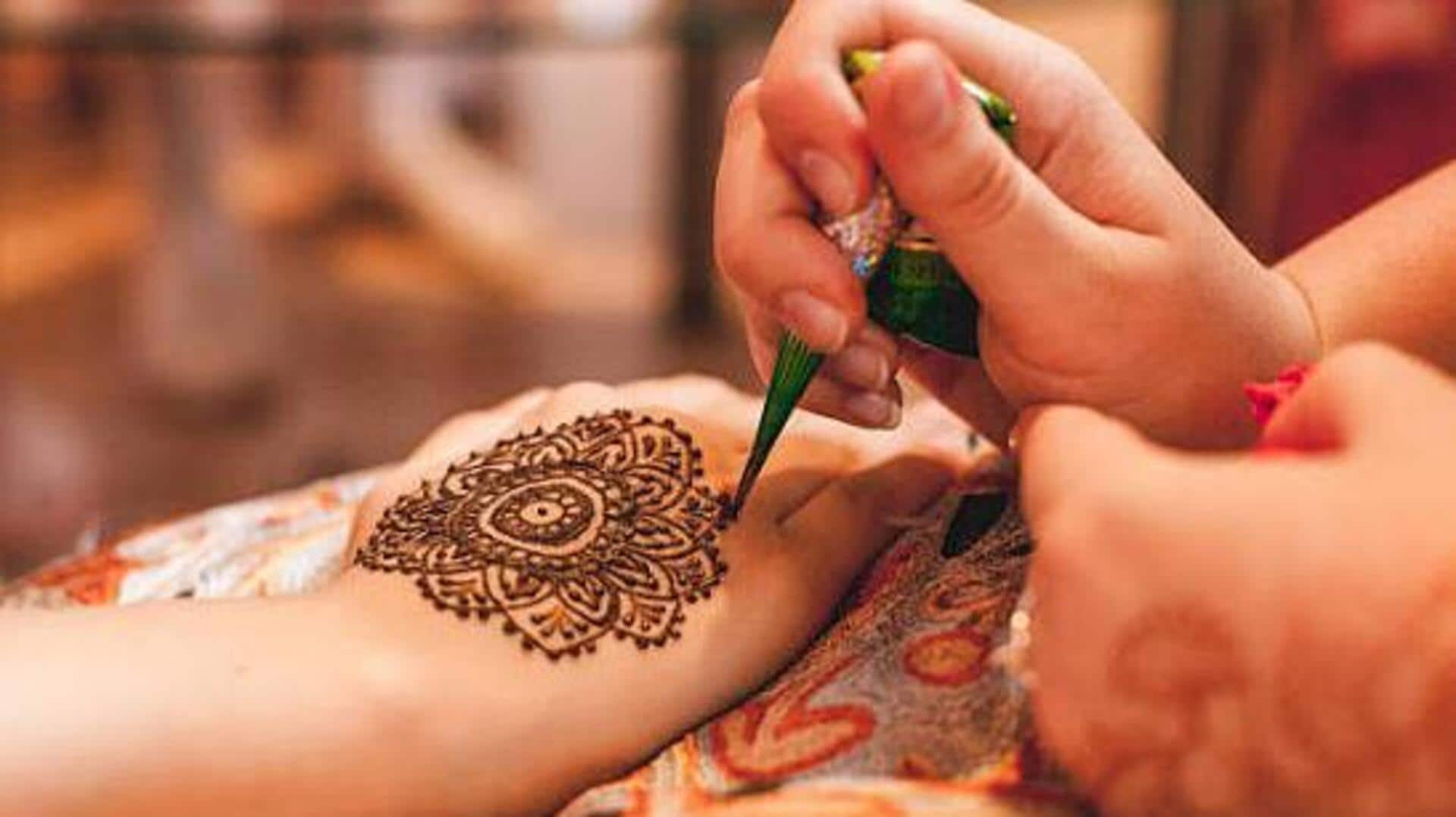
Henna night is an important pre-wedding ceremony where intricate henna designs are applied on the bride's hands and feet. This tradition symbolizes joy and beauty.
Family members and friends gather to celebrate with music and dance.
The henna designs often have symbolic meanings, representing protection, fertility, and good fortune for the bride's future.
Traditional attire
The bride's attire
The bride's attire is another important aspect of Tunisian weddings.
She usually wears a traditional dress called a safsari, which is richly embroidered with gold thread.
The outfit is complemented by elaborate jewelry, including necklaces, bracelets, and earrings.
The attire symbolizes wealth and status in the community.
Wedding procession
Zaffa: The wedding procession
The zaffa is a lively wedding procession that marks the couple's entry into the main ceremony.
It includes musicians playing drums and flutes, dancers performing traditional steps, and family members carrying banners or flags.
The zaffa sets an energetic tone for the celebration ahead.
Dowry customs
The dowry tradition
In Tunisia, giving a dowry is an essential part of marriage negotiations.
It usually consists of money or gifts from the groom's family to the bride's family as a token of respect.
The dowry amount varies according to families, but it is an important part of ensuring both families are happy with the union.
Wedding feast
Traditional wedding feast
The wedding feast is a grand affair with an array of traditional Tunisian dishes such as couscous, brik (pastry filled with vegetables), and various salads.
Desserts like baklava sweeten the meal further.
This feast brings families together over shared meals, strengthening bonds between them during this joyous occasion.