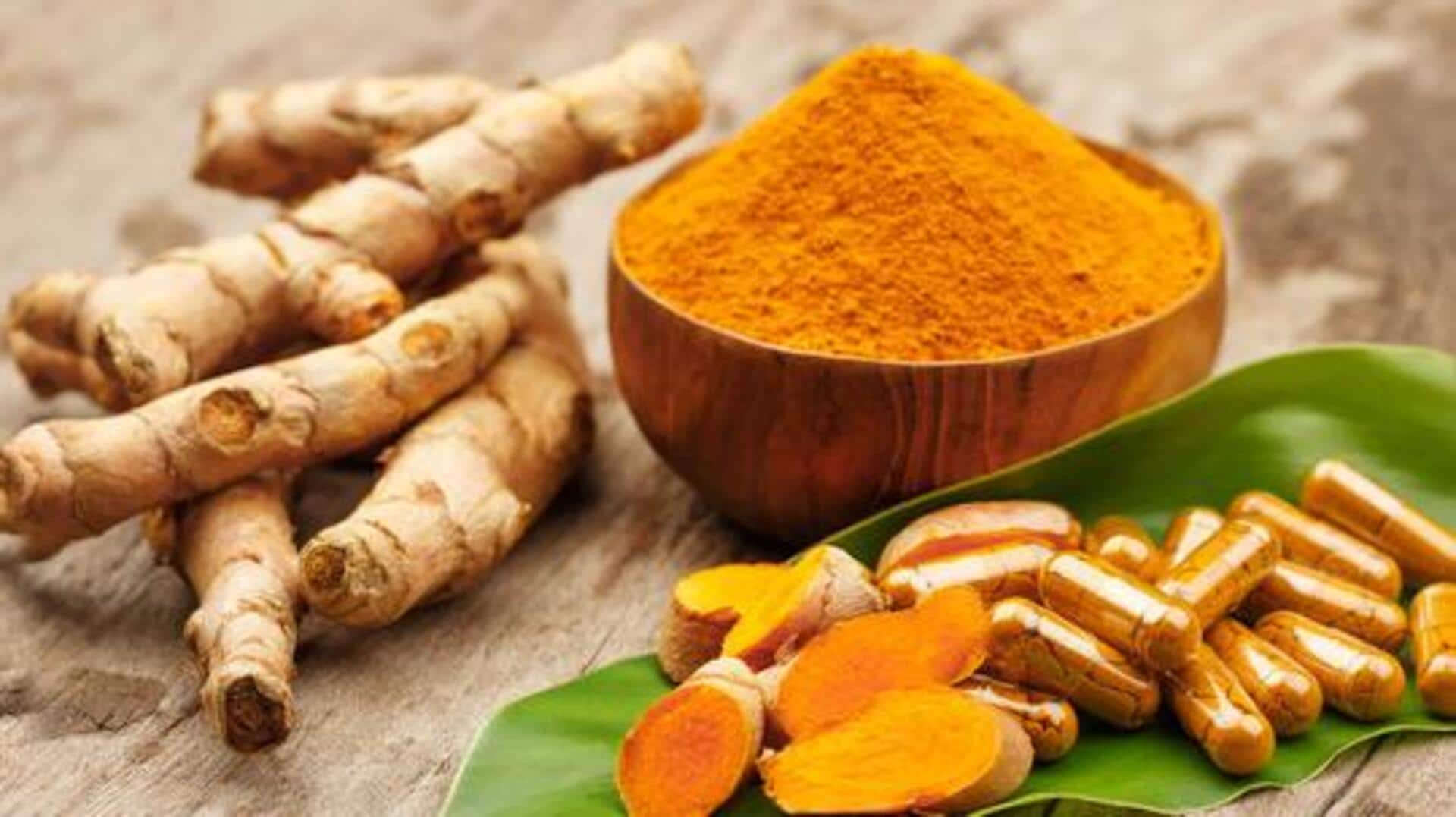
How turmeric can help fight inflammation
What's the story
Turmeric, a vibrant yellow spice, is famous for its anti-inflammatory benefits, thanks to curcumin, its active compound. In the last few years, turmeric has become a household name for its ability to fight inflammation and promote overall wellness. From ancient Ayurvedic practices to modern-day health trends, turmeric's anti-inflammatory properties have been widely recognized. Here are five facts that highlight how turmeric can help you fight inflammation.
#1
Curcumin's role in reducing inflammation
Curcumin is the star player in turmeric when it comes to fighting inflammation.
It works by inhibiting certain molecules that play a key role in inflammation.
Studies indicate that curcumin can reduce markers of inflammation in the body, making it a natural alternative to some over-the-counter anti-inflammatory drugs.
#2
Antioxidant properties of turmeric
Turmeric is also rich in antioxidants, which help protect cells from damage caused by free radicals.
These antioxidants contribute to reducing oxidative stress, a major factor in chronic inflammation.
By neutralizing free radicals, turmeric helps maintain cellular health and reduces the risk of inflammatory diseases.
#3
Enhancing bioavailability with black pepper
Curcumin's bioavailability is naturally low, which means it is not easily absorbed by the body.
However, adding black pepper can greatly enhance its absorption.
Piperine, an active compound in black pepper, increases curcumin's bioavailability by up to 2,000%.
This simple addition can make your turmeric intake more effective.
#4
Traditional uses and modern applications
Turmeric has been used for centuries in traditional medicine systems like Ayurveda and Traditional Chinese Medicine (TCM) to treat various ailments, including inflammation-related conditions.
Today, it is widely used not just as a spice, but also as a supplement in the form of capsules or powders for its health benefits.
Tip 5
Incorporating turmeric into your diet
Adding turmeric to your diet is easy and versatile.
You can add it to curries, soups, or have it as a tea or latte with milk alternatives like almond or coconut milk.
Regular consumption may help you reap its anti-inflammatory benefits over time without any side effects associated with synthetic drugs.