Why you must trek Europe's iconic Mount Etna
What's the story
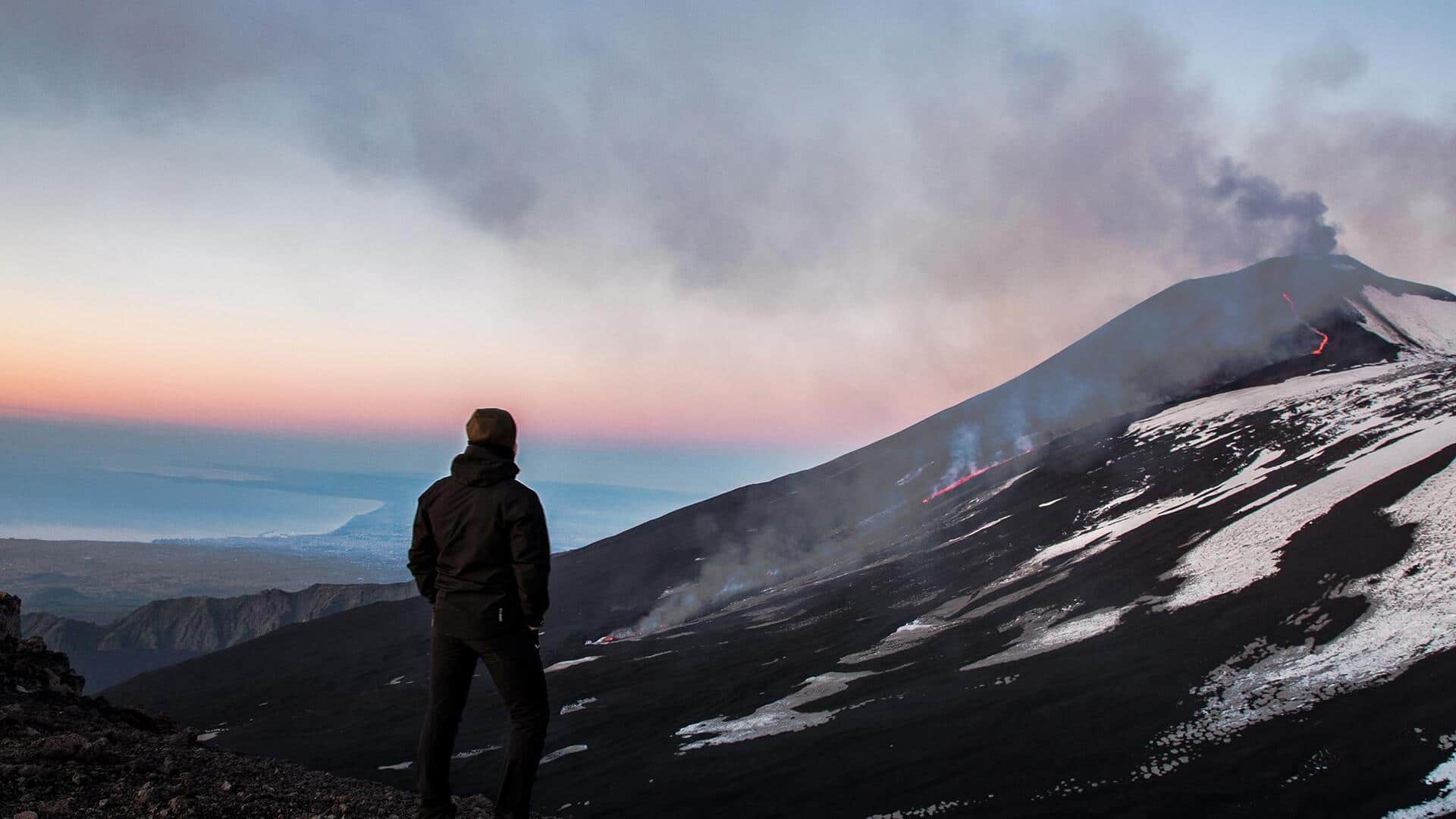
Mount Etna, Europe's most active volcano, provides trekkers with an unparalleled experience. Situated on the east coast of Sicily, this majestic mountain offers breathtaking views and a unique opportunity to witness nature's raw power. From beginners to experienced hikers, Mount Etna has something for everyone. With its diverse landscapes and rich geological history, trekking here is not just an adventure but also an educational journey.
Preparation
Preparing for your trek
Before you head out to Mount Etna, make sure you're well-prepared.
Wear comfortable hiking boots with good grip as the terrain can be rocky and uneven.
Dress in layers as the weather can change rapidly at different altitudes.
Carry plenty of water and snacks to keep your energy up during the trek.
Hiring a local guide can also enhance your experience by providing valuable insights about the volcano's history and geology.
Terrain
Understanding the terrain
Mount Etna's terrain is as diverse as it is fascinating.
From lush forests at lower altitudes to barren lava fields near the summit, every part of the mountain has its own charm.
Trekkers will encounter various ecosystems along the way, each home to unique flora and fauna adapted to volcanic conditions.
The stark contrast between these environments makes for an interesting trek that showcases nature's resilience.
Safety
Safety tips for trekkers
Safety should always be a priority when trekking Mount Etna.
Stay updated on volcanic activity reports as eruptions can affect access routes or pose hazards on certain trails.
Stick to marked paths to avoid dangerous areas prone to landslides or gas emissions from fumaroles (steam vents).
It's also advisable not to trek alone; going with a group increases safety in case of emergencies.
Timing
Best times to visit Mount Etna
The best time for trekking Mount Etna is during spring (April-June) or fall (September-November) when temperatures are mild, and crowds are fewer than in peak summer months.
These seasons provide optimal conditions for hikers looking for a less crowded experience without compromising on scenic beauty or adventure opportunities available year-round on this iconic volcano.