Want stronger joints? Try trail running or Nordic walking
What's the story
Trail running and Nordic walking are two popular outdoor activities that offer unique benefits for joint health. While both exercises provide low-impact alternatives to traditional running, they differ in their approach and impact on the joints. Understanding these differences can help individuals choose the activity that best suits their needs and preferences. Here, we explore the nuances of trail running and Nordic walking, focusing on how each affects joint health.
#1
Impact on joints
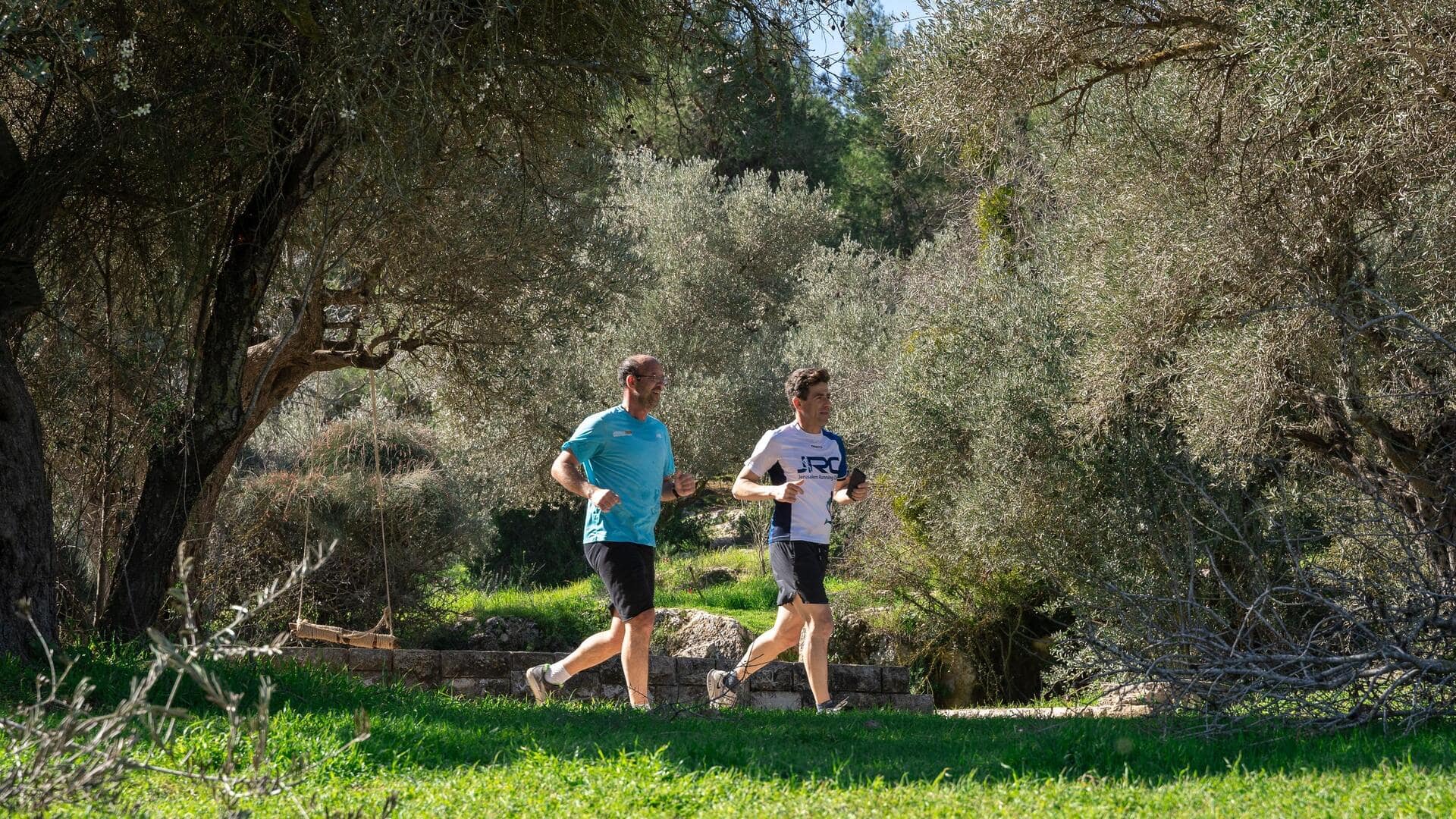
Trail running usually involves uneven terrain, which can be a little hard on the joints.
The soft ground can reduce impact compared to concrete surfaces, but the risk of twisting an ankle or knee is higher due to the variable surfaces.
Nordic walking, on the other hand, employs poles to distribute weight and reduce pressure on lower body joints.
This makes it a safer option for those concerned about joint strain.
#2
Caloric burn comparison
Both trail running and Nordic walking are effective calorie-burning exercises, but they differ in intensity levels.
Trail running is generally more intense because of the higher heart rate and muscle engagement from running uphill, downhill, and on flat.
Nordic walking burns fewer calories but is still effective for those looking for a moderate workout without high-impact stress on their joints.
#3
Cardiovascular benefits
Trail running is an excellent cardiovascular workout, as it elevates the heart rate with its varying intensity levels.
The aerobic exercise improves heart health and endurance over time.
Nordic walking also offers cardiovascular benefits by engaging multiple muscle groups with its pole usage.
This leads to an increased heart rate over time, though generally not as much as trail running.
#4
Accessibility and equipment needs
Trail running requires little equipment other than a good pair of shoes, but access to suitable trails may be limited depending on where you live.
Nordic walking requires poles, but it can be done almost anywhere, making it more accessible for those living in urban areas or places without natural trails.