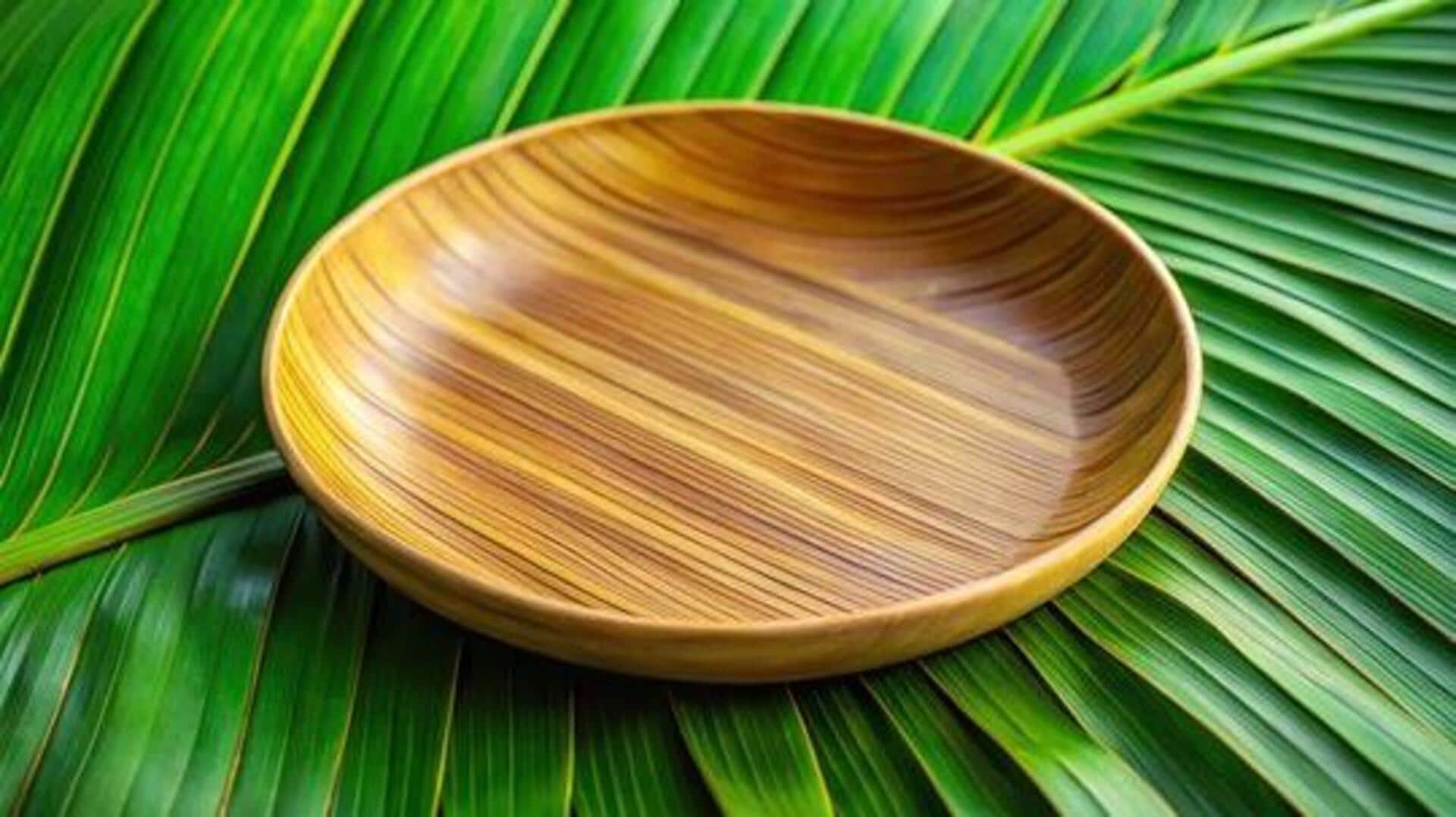
How to make a palm leaf bowl at home
What's the story
African raffia bowls are famous for their vibrant colors and intricate patterns. These handmade beauties are crafted from raffia palm leaves, a material that is both flexible and durable. The art of making these bowls is a traditional craft, passed down through generations. It involves weaving techniques that result in unique designs, reflecting the culture and creativity of the artisans. Here's how you can make one.
#1
Selecting quality raffia leaves
Choosing the right raffia leaves is essential for making a sturdy bowl. The leaves should be long, flexible, and free of any damage or discoloration. Freshly harvested leaves are usually preferred as they retain their natural elasticity better than dried ones. Once selected, the leaves are soaked in water to make them easier to work with during weaving.
#2
Mastering basic weaving techniques
Weaving techniques are the foundation of creating a raffia bowl. The most common method involves interlacing the raffia strips over and under each other to form a pattern. Practicing basic knots and braids will help you gain confidence in your skills. As you get comfortable with simple patterns, you can try more complex designs that require advanced techniques.
#3
Incorporating vibrant colors
Color plays an important role in the aesthetic appeal of African raffia bowls. Natural dyes or synthetic ones can be used to add vibrant hues to the raffia strips before weaving them together. Experimenting with different color combinations allows artisans to create unique pieces that stand out visually while maintaining cultural significance.
Tip 1
Finishing touches for durability
The final step in making a raffia bowl is to ensure it is durable and ready for use. This involves trimming any excess material from the edges and securing loose ends tightly so that they don't unravel over time. Applying a protective coating, like beeswax or natural oils, can also enhance the longevity of the bowl while giving it a smooth finish.