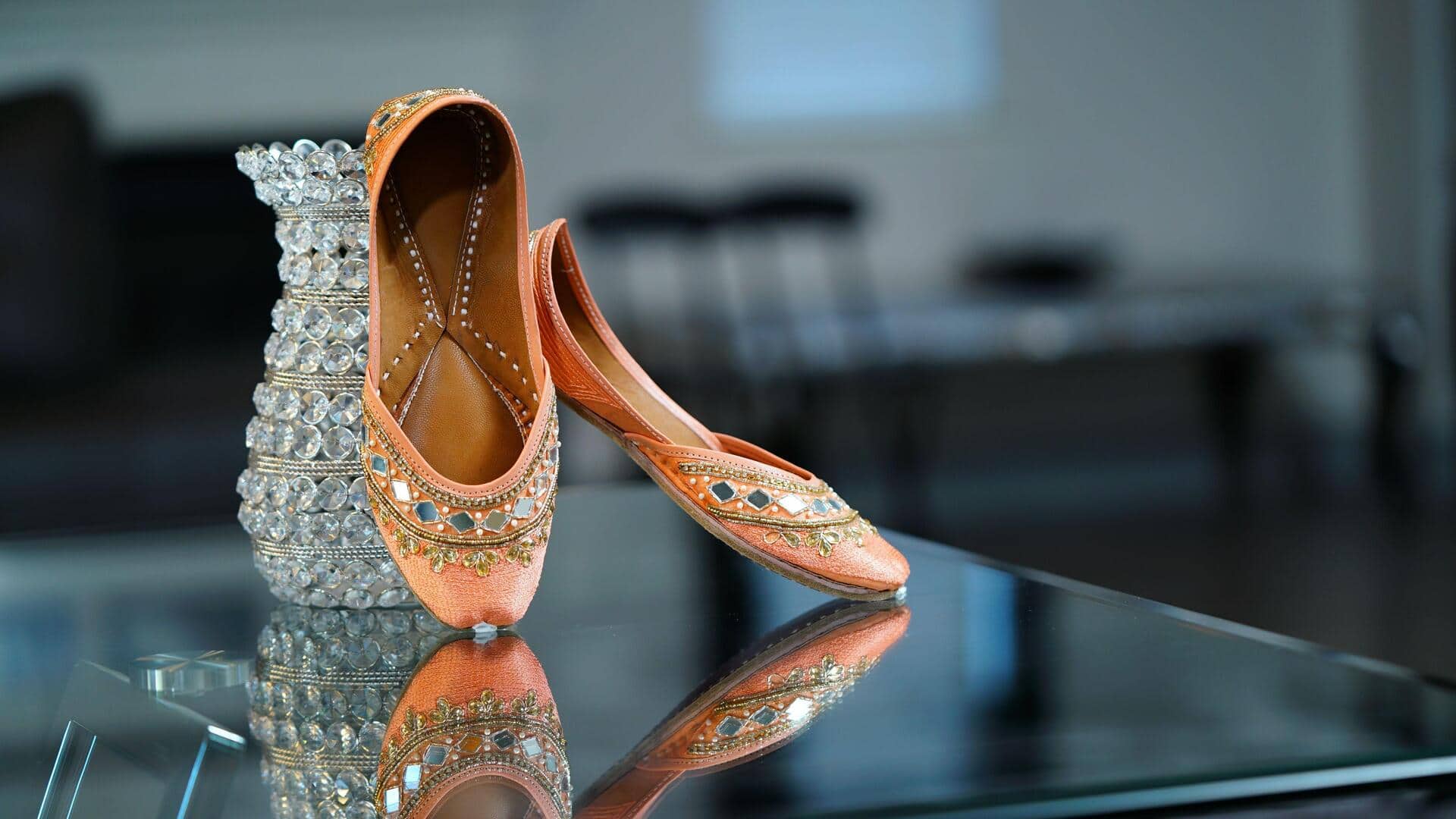
Mirror work: The art that makes fabric shine
What's the story
An ancient Indian craft, mirror work embroidery, is a beautiful combination of art and tradition. The craft involves sewing small pieces of reflective material onto fabric, creating intricate patterns that catch the light. Not only is it visually stunning, but it also carries cultural significance in many parts of India. The technique is commonly used in traditional garments and home decor items, showcasing the rich heritage of Indian craftsmanship.
#1
Historical roots of mirror work
Mirror work embroidery has been practiced for centuries in India, tracing its origins back to the nomadic tribes of Kutch.
The craft was originally used as a means of adornment for clothing and accessories. Over time, it became popular across various regions, each adding its own unique style and technique.
The mirrors used were initially made from polished metal or glass shards.
#2
Techniques involved in mirror work
The technique of mirror work involves attaching small mirrors onto fabric with embroidery stitches like chain stitch or buttonhole stitch.
Artisans carefully position the mirrors to create symmetrical patterns or motifs.
The process requires precision and skill to ensure that each piece is securely attached and aesthetically pleasing.
#3
Modern applications of mirror work
Today, mirror work is not just limited to traditional attire but has also made its way into modern fashion and home decor.
Designers use this technique on everything from contemporary dresses to cushion covers and wall hangings.
Its versatility makes it a favorite among those looking to add a touch of elegance and cultural richness to their wardrobe or living space.
#4
Preserving the craft of mirror work
Despite the increasing popularity of mirror work, the craft is in danger of dying out due to a lack of skilled artisans and competition from machine-made products.
However, efforts are being made to preserve this art form through workshops, training programs, and collaborations with designers who appreciate its value.
By supporting these initiatives, we can ensure that this beautiful craft continues to be a part of India's cultural heritage for generations to come.