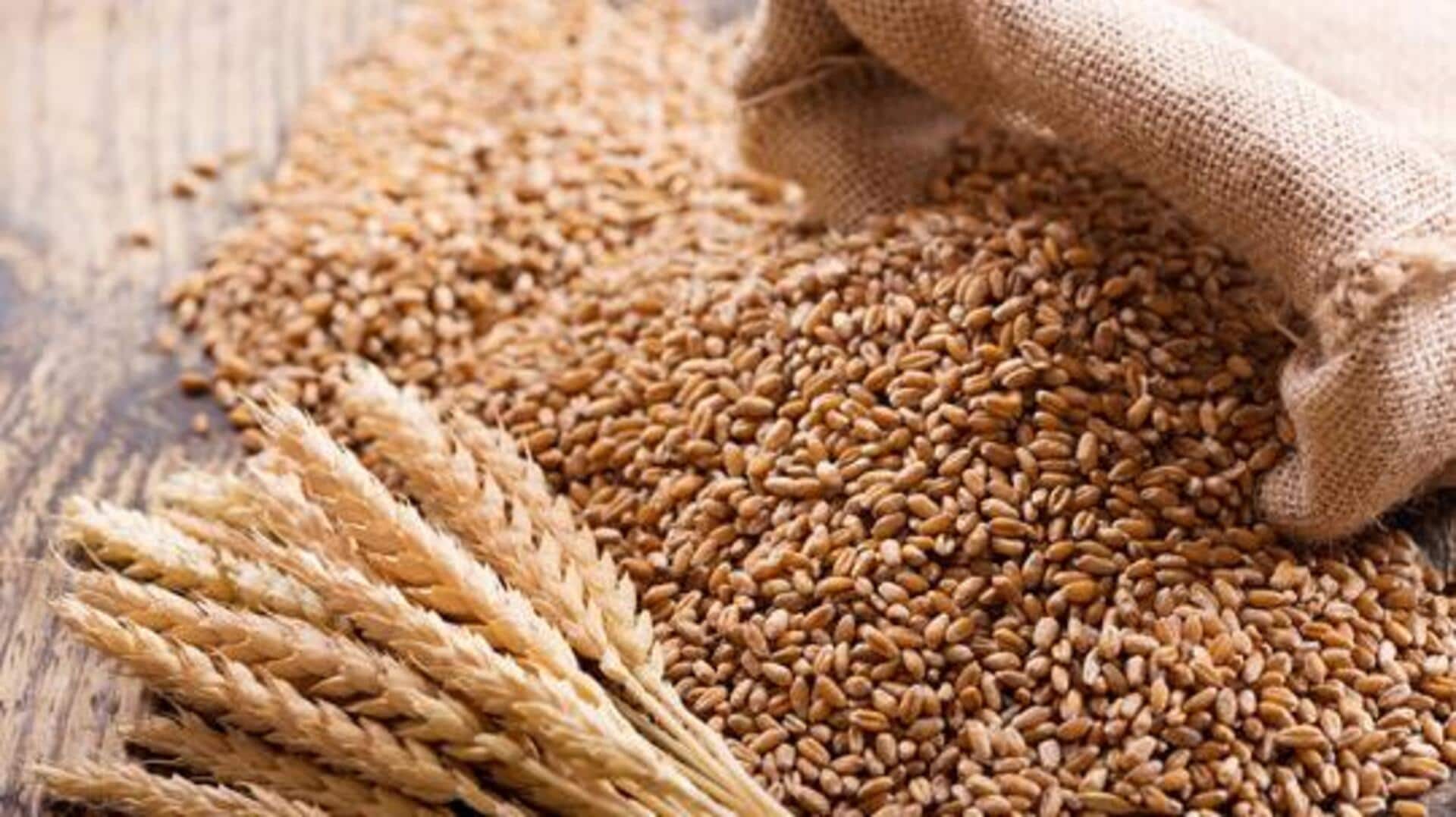
What is wheat berry? Why should you know about it?
What's the story
Wheat berries, the whole, unprocessed kernels of wheat, are a versatile and nutritious ingredient. They have been a staple in many cultures for centuries, lauded for their health benefits and culinary adaptability. Rich in fiber, protein, and essential nutrients, wheat berries can be used in a variety of dishes. Here are five ways to incorporate wheat berries into your meals.
Tip 1
Nutritious breakfast option
Start your day with a hearty breakfast by adding cooked wheat berries to your morning routine.
They can be used as a base for porridge or mixed with fruits and nuts for a wholesome meal.
The high fiber content keeps you full longer, while the protein supports muscle health.
Adding honey or maple syrup can enhance the flavor without compromising nutritional value.
Tip 2
Versatile salad ingredient
Wheat berries make an excellent addition to salads, providing texture and nutrients that elevate any dish.
Toss them with fresh vegetables like tomatoes, cucumbers, and spinach for a refreshing salad that's rich in vitamins and minerals.
A simple dressing of olive oil and lemon juice complements the natural flavors of the ingredients while keeping it healthy.
Tip 3
Hearty soup base
Incorporating wheat berries into soups adds heartiness and depth to your meals.
They absorb flavors well while retaining their chewy texture, making them perfect for hearty vegetable soups or stews.
Cooking them slowly allows the grains to soften while imparting their nutty taste throughout the broth.
Tip 4
Flavorful side dish
Wheat berries can also be served as a flavorful side dish alongside main courses like roasted vegetables or grilled tofu.
Seasoned with herbs such as thyme or rosemary, they complement various cuisines without overpowering other elements on your plate.
Their versatility makes them suitable for both casual dinners and formal gatherings alike.
Tip 5
Delicious baked goods ingredient
Incorporating wheat berries into baked goods adds nutritional value without sacrificing taste or texture.
Ground into flour or used whole in recipes like bread rolls or muffins, they provide a hearty bite along with essential nutrients like iron and magnesium.
Experimenting with different recipes allows you to discover new ways this ancient grain enhances modern cuisine.