Your guide to stargazing in the Swiss Alps
What's the story
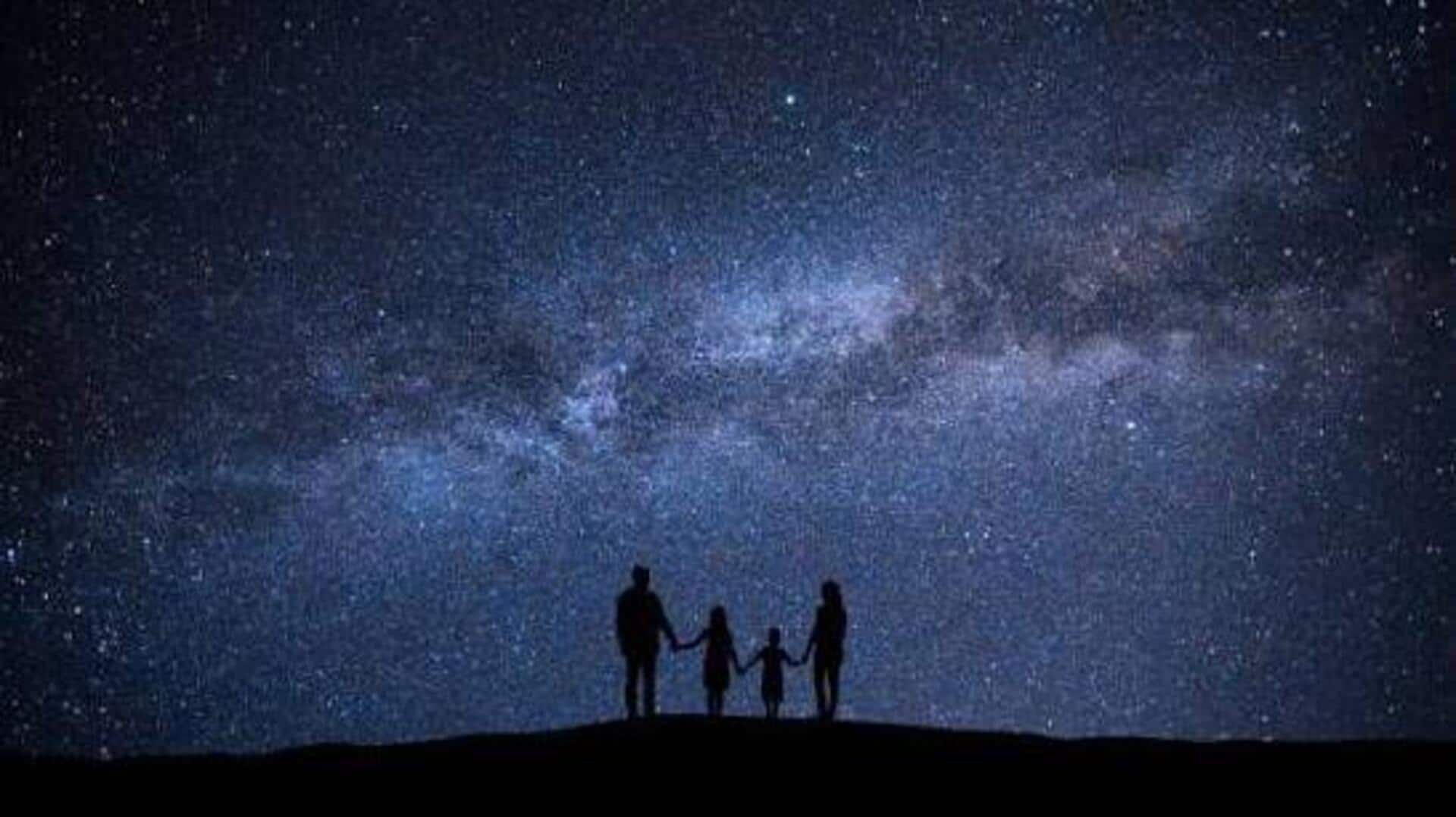
The Swiss Alps, famous for their breathtaking views and pristine nature, also make for a perfect stargazing destination. With their clear skies and little light pollution, the region is a paradise for astronomy lovers. Be it an experienced stargazer or a novice, the Alps offer you plenty of opportunities to gaze at the stars and learn more about the universe. Here are some tips to make the most of your stargazing experience in this stunning region.
Timing
Best time for stargazing
The best time to stargaze in the Swiss Alps is during the summer months when the weather is most stable, and the skies are clearest.
June to August are ideal, as there are longer nights with more hours of darkness.
Winter can be too cold and unpredictable, with snow covering many areas.
Spring and fall can also be good, but check weather forecasts for clear skies.
Locations
Top locations for stargazing
Some of the best spots for stargazing in the Swiss Alps include Zermatt, Jungfraujoch, and St. Moritz.
These places provide high altitudes that minimize atmospheric interference, giving you a clearer view of celestial bodies.
Zermatt gives you views of the Matterhorn, while Jungfraujoch is known as the Top of Europe with its accessible observatory.
Gear
Essential gear for stargazing
To make your stargazing experience comfortable and enjoyable, you must have some basic gear.
A good pair of binoculars or a small telescope can improve your view of distant stars and planets.
A star map or a mobile app can help you identify constellations and celestial events.
Warm clothing is essential, given the cold temperatures at higher altitudes.
Tips
Tips for beginners
For beginners, start by learning about major constellations like Orion or Ursa Major before venturing out into more complex star patterns.
Attend local astronomy clubs or guided tours, which often provide telescopes and expert guidance.
This can enhance your understanding and enjoyment of stargazing in this magnificent region.