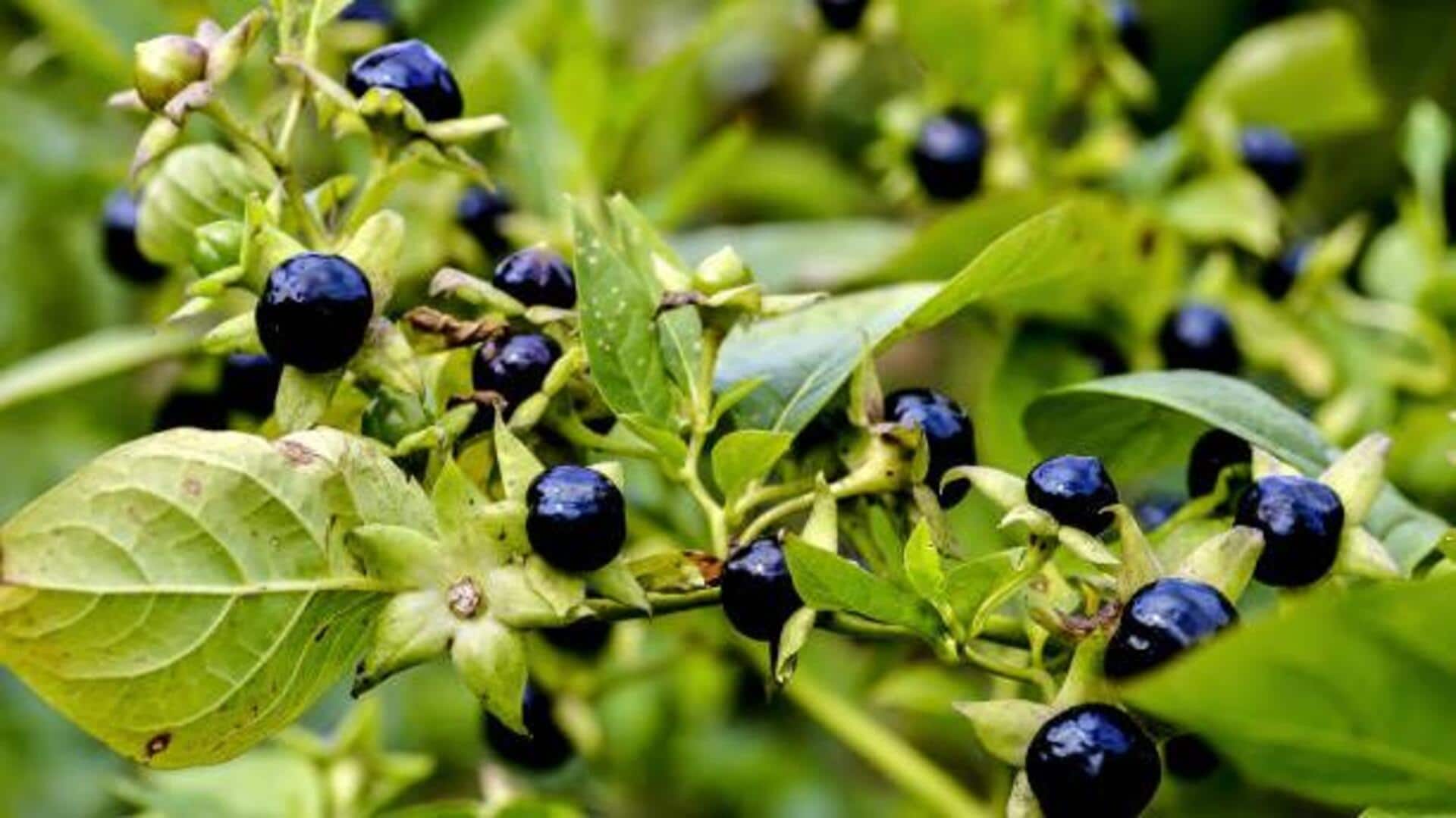
Wild nightshade: A culinary secret worth exploring
What's the story
The wild African nightshade, a lesser-known vegetable, is making waves for its nutritional benefits and culinary potential. Native to various parts of Africa, this plant is gradually becoming a staple in health-conscious kitchens around the world. Its rich nutrient profile makes it a great addition to any diet. Here is a look at the various aspects of this unique vegetable and how it can be used in everyday cooking.
#1
Nutritional powerhouse
Wild African nightshade is loaded with vitamins and minerals essential for good health. It is particularly high in vitamin A, which is important for good vision and immune function. The vegetable also provides vitamin C, iron, and calcium, all of which contribute to overall well-being. Adding this leafy green to your diet could help meet daily nutritional requirements without having to depend on supplements.
#2
Versatile culinary uses
The versatility of wild African nightshade makes it suitable for a range of dishes. It can be used in salads, soups, stews, or even as a side dish. Its slightly bitter taste can be balanced with other ingredients like tomatoes or spices to create delicious meals. This adaptability makes it easy for anyone to incorporate it into their cooking routine.
#3
Potential health benefits
Consuming wild African nightshade may offer several health benefits owing to its antioxidant properties. Antioxidants are important for fighting oxidative stress in the body, which may reduce the risk of chronic diseases, such as heart disease and diabetes. Further, some studies indicate that certain compounds in this plant may have anti-inflammatory effects.
Tip 1
Tips for growing at home
Growing wild African nightshade at home is possible with the right conditions. It flourishes in well-drained soil with adequate sunlight, but it can also tolerate partial shade. Regular watering without overwatering is key to keeping the plant healthy. By growing your own supply of this nutritious vegetable, you can enjoy fresh produce straight from your garden while supporting sustainable eating practices.