World Heritage Day: 5 remarkable monuments that shaped history
What's the story
World Heritage Day, or International Day for Monuments and Sites (IDMS), is celebrated on April 18 every year. The day aims to inspire people and local communities to appreciate their cultural heritage. Along with monument conservation, it also aims to raise public awareness about the diversity and fragility of cultural assets. Let's take a look at some remarkable monuments that have stood the test of time.
Architectural wonder
Great Wall of China
The Great Wall of China is an architectural marvel that spans over 13,000km. Built as a defense against invasions, this UNESCO World Heritage Site attracts millions of visitors each year with its stunning views and historical grandeur. It is a symbol of China's strength and determination throughout history.
Ancient amphitheater
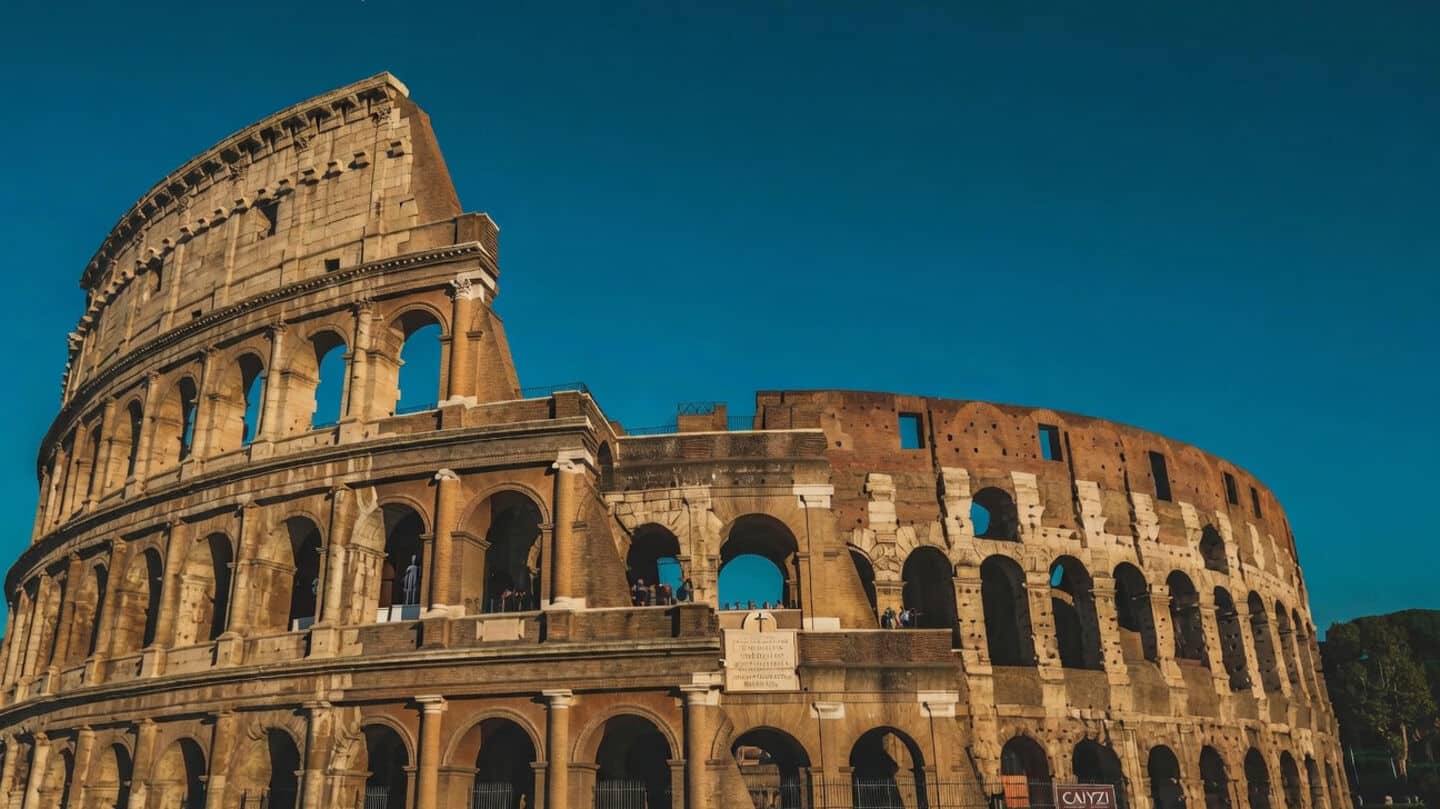
Colosseum in Rome
Dating back to AD 80, the Colosseum is a renowned amphitheater and one of the greatest engineering feats of the Roman Empire. Its historical significance lies in its role as an arena for public spectacles and gladiatorial contests, showcasing the power and grandeur of the Roman Empire. The Colosseum remains a symbol of ancient Rome's architectural prowess and cultural legacy.
Historic site
Acropolis of Athens in Greece
The Acropolis of Athens is a symbol of ancient Greek civilization and democracy. The Parthenon, a temple dedicated to the goddess Athena, sits atop this rocky hill. Visiting this site takes you back to an era when democracy was born in Greece. It is a UNESCO World Heritage Site that continues to inspire people around the world with its architectural beauty and historical significance.
Timeless structures
The Pyramids of Giza in Egypt
The Pyramids of Giza are timeless symbols of ancient Egyptian civilization. Their mysterious construction and historical significance continue to intrigue history buffs around the globe. These massive structures are a testament to the architectural and engineering skills of the ancient Egyptians.
Mughal masterpiece
India's Taj Mahal
The Taj Mahal was built by Mughal emperor Shah Jahan as a mausoleum for his wife, Mumtaz Mahal. Made of white marble, the monument is famous for its intricate carvings and detailed iconography. Its stunning design is the epitome of Indo-Islamic architecture, with Persian, Indian and Islamic influences.