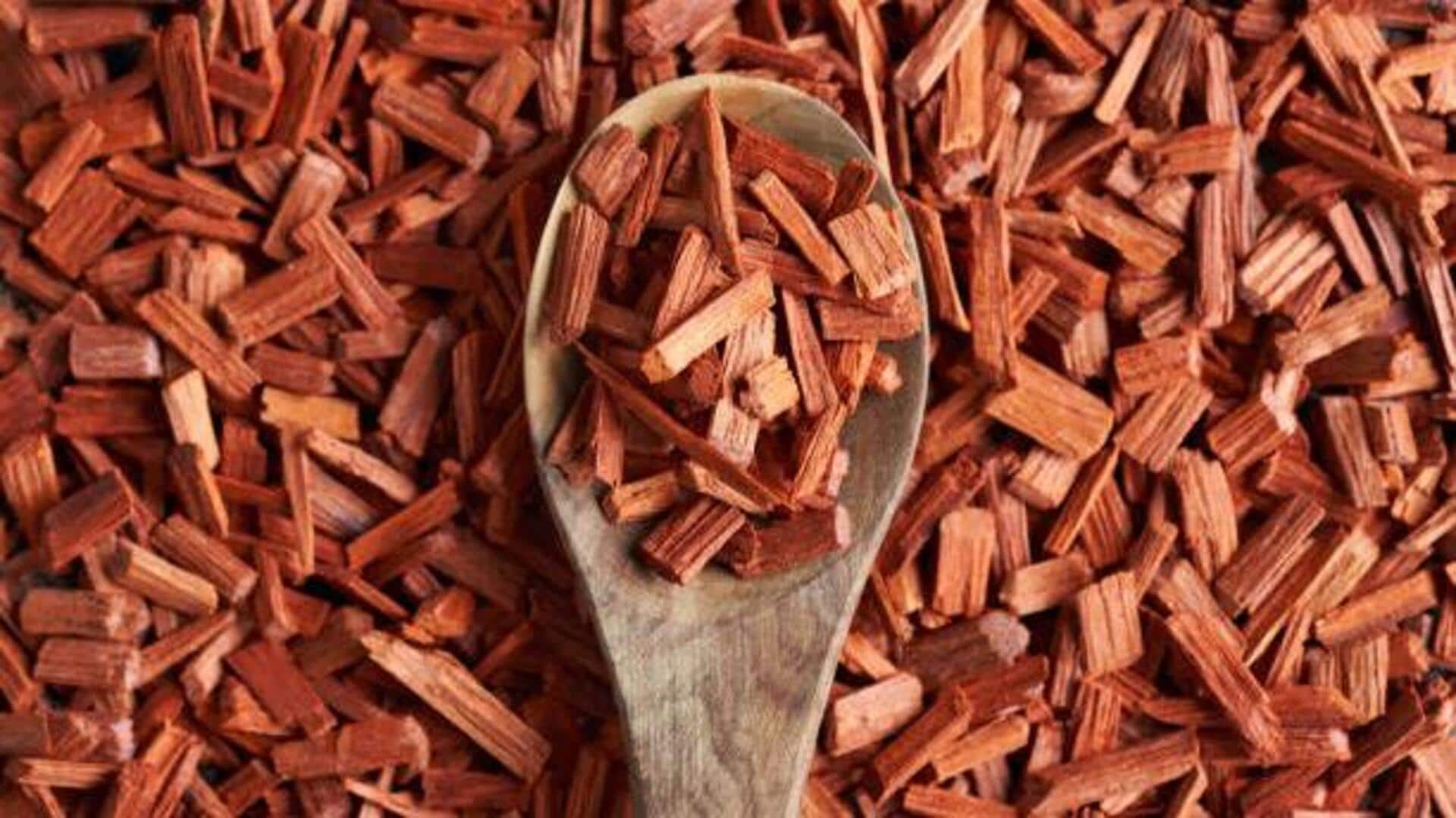
What exactly is camwood?
What's the story
Yoruba camwood, or African sandalwood, is a natural resource that has been used for centuries for its diverse benefits. The plant is known for its rich content of antioxidants and anti-inflammatory properties, making it a popular choice in traditional medicine and skincare. Here are five amazing uses of Yoruba camwood that highlight its versatility and effectiveness.
Tip 1
Skin care benefits
Yoruba camwood is famous for its skin benefits. The natural antioxidants present in it help fight free radicals, which can cause skin damage.
It is also used as a natural exfoliant, removing dead skin cells and promoting a healthier complexion.
Many people use it to reduce the appearance of blemishes and even out skin tone.
Tip 2
Hair health enhancer
The oil extracted from Yoruba camwood is commonly used to promote hair health.
It nourishes the scalp and strengthens hair follicles, which may reduce hair loss over time.
Regular application can lead to shinier and more manageable hair, making it a favored choice among those looking for natural hair care solutions.
Tip 3
Traditional medicine applications
In traditional medicine practices, Yoruba camwood has been used for its healing properties.
It is believed to possess anti-inflammatory effects that may help alleviate minor skin irritations or discomforts when applied topically.
Its use in herbal remedies highlights its importance in maintaining overall health.
Tip 4
Aromatherapy uses
Due to its pleasant aroma, Yoruba camwood is commonly used in aromatherapy practices.
The scent is believed to have calming effects on the mind and body, reducing stress levels when inhaled during relaxation sessions or meditation practices.
This aromatic quality makes it an integral part of creating soothing environments at home or elsewhere.
Tip 5
Natural dye source
Yoruba camwood also serves as a natural dye source because of its rich pigmentation properties.
It has been traditionally used to color fabrics without the use of synthetic chemicals, making it an eco-friendly option for textile artisans across Africa.
This application demonstrates the versatility beyond beauty care, into crafting industries worldwide.