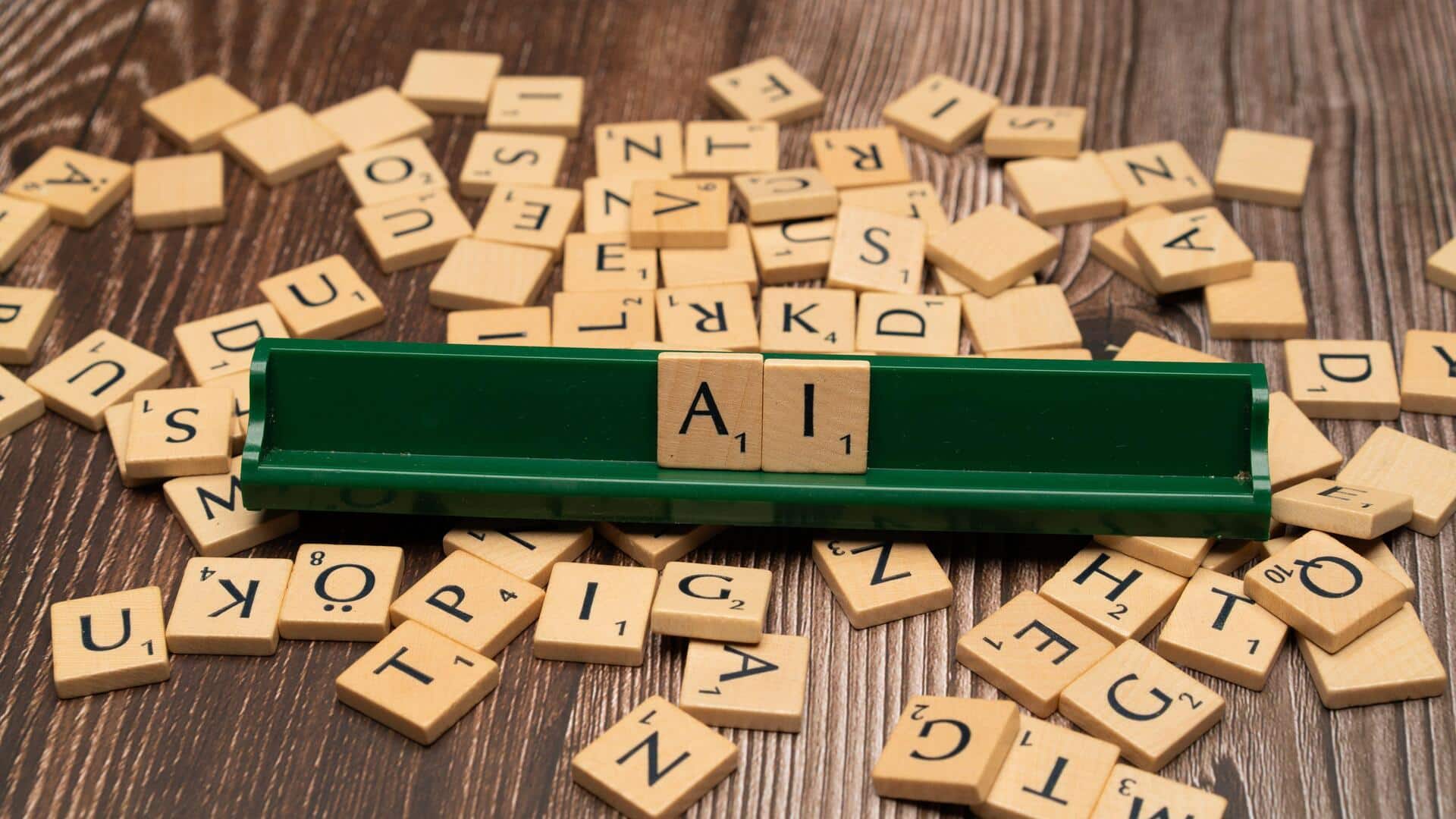
How AI is making translation faster and easier
What's the story
AI tools have revolutionized the speed at which languages can be converted. They automate initial drafts, ensure consistent terminology, and help translators refine content all at once. Rather than translating each and every sentence, professionals today use AI to handle large chunks of text, documents, websites, and even speech. This enables them to focus on quality control and nuances. All of this has made translation more streamlined and faster.
#1
Automating first-draft conversion
AI tools like DeepL and Google Translate automate the first draft of translations. They quickly handle high-volume text across multiple languages.
This automation saves time for translators, who can then refine the translation for accuracy and cultural relevance.
By managing repetitive content efficiently, these tools allow human translators to dedicate their expertise to more complex aspects of language conversion.
#2
Enhancing terminology consistency
Consistency in terminology is critical for accurate translations.
AI platforms, like Smartcat, make sure that specific terms are translated the same way in different documents or projects.
This consistency is especially important in technical fields, where precise language is required.
By keeping terminology uniform, AI tools help avoid misunderstandings that could result from inconsistent translations.
#3
Efficient review and refinement process
AI also helps translators review and fine-tune their content more efficiently.
Tools like ChatGPT, for instance, can suggest alternative ways to phrase a sentence or adjust the tone to suit a specific audience.
These suggestions can enhance the quality of translations with a variety of linguistic choices, while keeping the integrity of the intended message intact.
This way, translators can also deliver polished final products quickly, without quality compromise.
#4
Managing larger localization projects
For larger localization projects where you need to manage a workflow, platforms like Smartling or Lokalise are invaluable.
They come with features that simplify project management tasks. These include tracking progress and ensuring consistency across different project components.
Whether it's marketing materials or multilingual support systems, these tools improve efficiency when handling large translation projects.