FDA approves new once-daily pill to simplify HIV treatment
What's the story
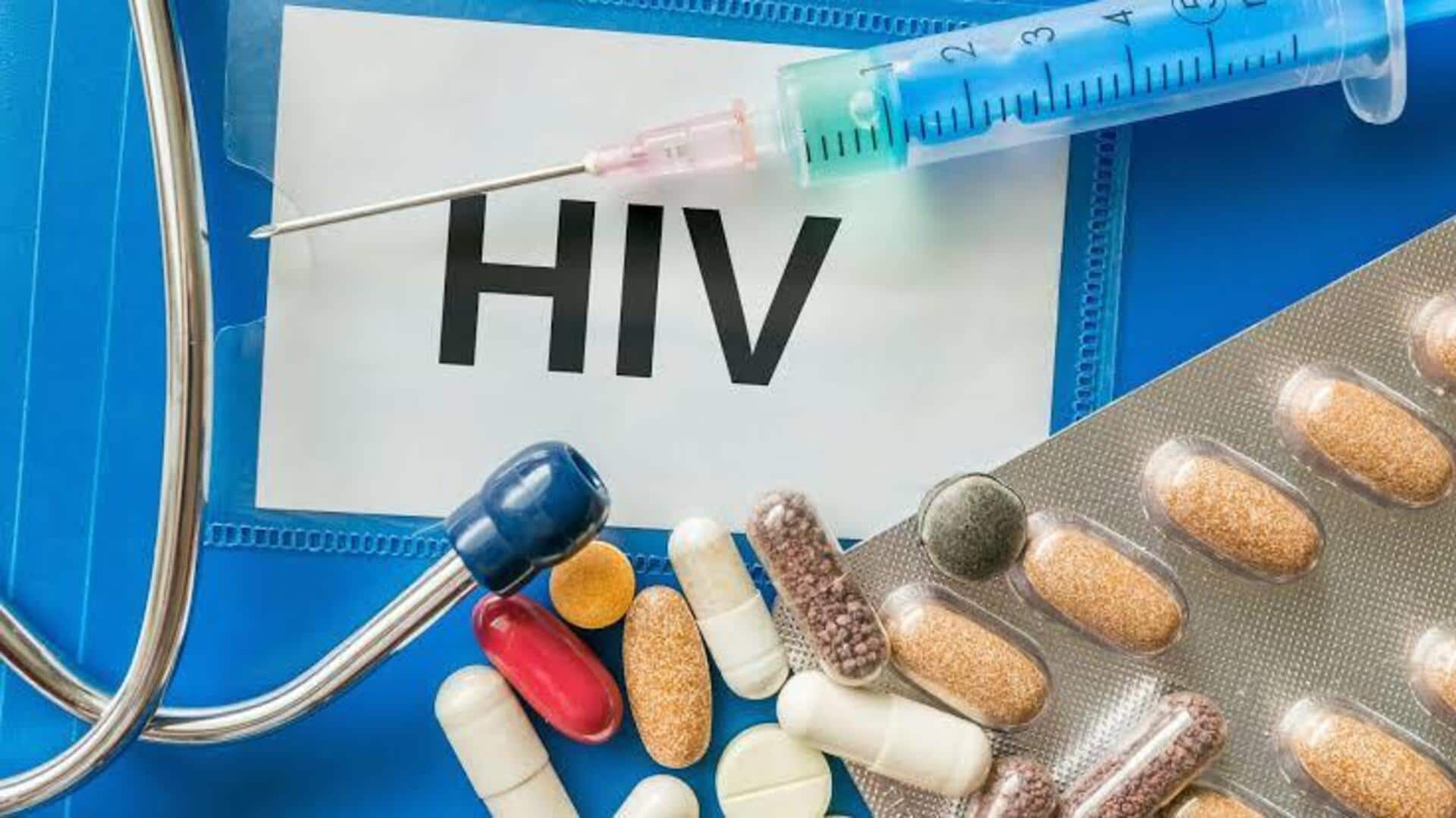
The US Food and Drug Administration (FDA) has approved a new once-daily HIV pill from Gilead Sciences. The drug, called Bixlenvo, is designed to simplify treatment for patients whose virus is already under control but are on complicated regimens. It could also be an option for those looking to switch to a new treatment alternative.
Drug composition
Bixlenvo combines 2 HIV drugs
Bixlenvo is a combination of bictegravir, the mainstay of Gilead's successful HIV pill Biktarvy, and lenacapavir, a first-in-class capsid inhibitor.
This unique combination makes it the first single-tablet regimen available for adults with suppressed HIV who can't use currently available one-pill treatment options.
According to Gilead, this population accounts for an estimated 5% or more of individuals in the US living with HIV.
Cost details
Price on par with other single-tablet HIV treatments
Before discounts or rebates, a 30-day supply of Bixlenvo costs $4,595. This price is similar to other daily single-tablet HIV treatments.
Uninsured patients may qualify for free access to Bixlenvo through Gilead's patient assistance program.
Meanwhile, those with commercial or private insurance could get co-pay support through another savings program offered by the company.
Treatment impact
Not a replacement for Biktarvy, says Gilead
Dr. Jared Baeten, Gilead's clinical development and virology therapeutic area head, said Bixlenvo fulfills an unmet need for people on complex regimens.
He emphasized that the drug is not meant to replace Biktarvy but is part of a broader effort to offer a range of HIV treatment options around lenacapavir.
This includes daily pills, weekly oral regimens, and long-acting injectable therapies.
Trial results
FDA's decision backed by Phase 3 trials
The FDA approval of Bixlenvo is based on two Phase 3 trials.
These studies evaluated the drug in adults with already suppressed HIV on treatment, including those who switched from Biktarvy or complex regimens with multiple tablets.
In both studies, the pill maintained viral suppression at rates comparable to patients' previous regimens and was generally well-tolerated with no new safety concerns.