Fuels powering India: LPG, LNG, PNG and CNG explained
What's the story
The ongoing gas supply crunch in India has raised questions about the different types of fuels that power homes, businesses, and vehicles. Among them are Liquefied Petroleum Gas (LPG), Compressed Natural Gas (CNG), Piped Natural Gas (PNG), and Liquefied Natural Gas (LNG). Though their names sound similar, they are distinct forms of fuel with different uses. Together, they play a crucial role in India's growing gas-based energy economy.
Fuel details
LPG
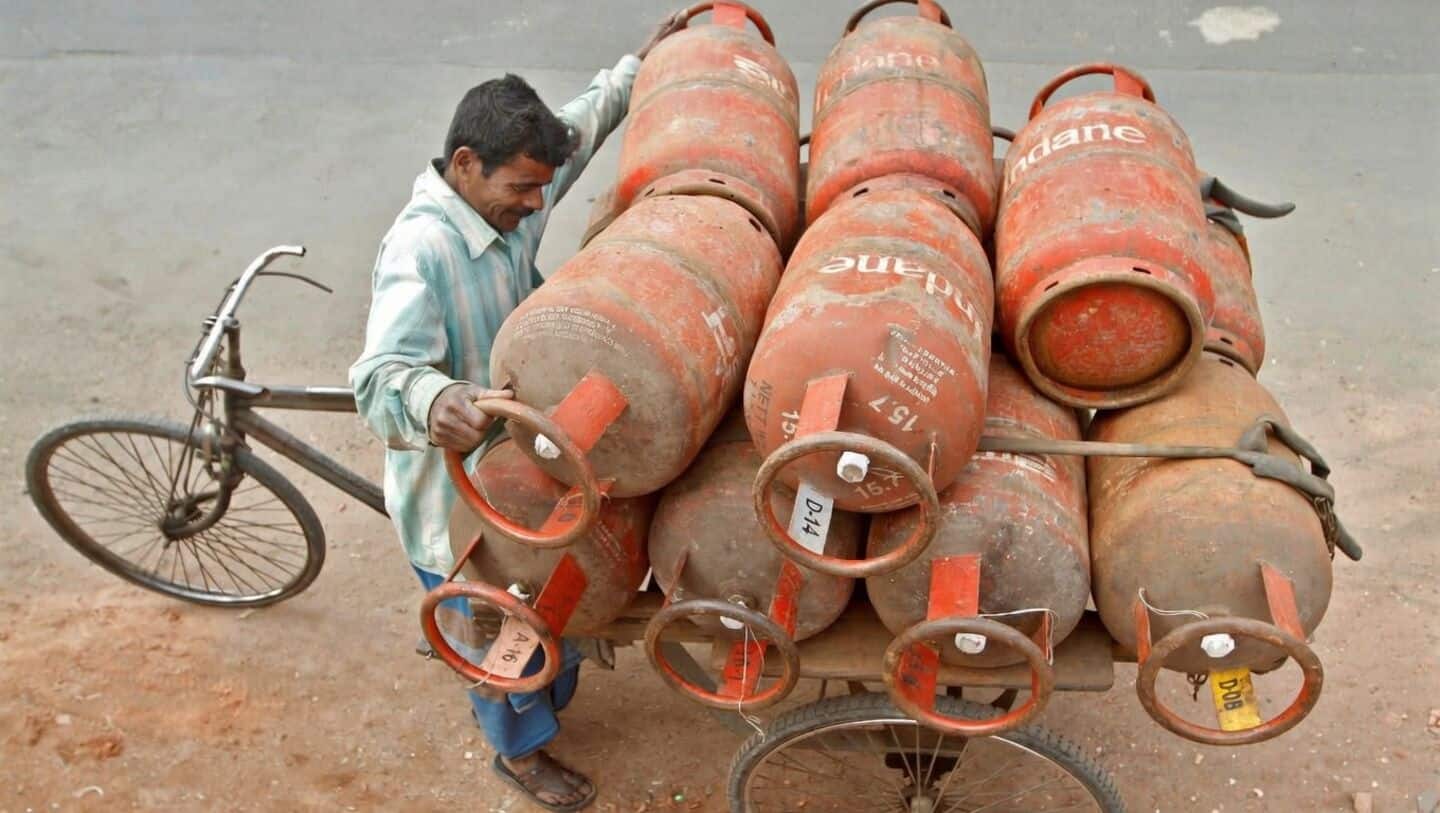
LPG is a portable, clean, and efficient energy source. According to data from the Petroleum Planning and Analysis Cell (PPAC), India heavily relies on imported LPG for household cooking.
Although domestic production exists, it doesn't meet total demand.
The fuel became a household staple after government initiatives provided subsidized LPG connections to low-income households.
Green alternative
CNG
CNG is an eco-friendly automotive fuel, widely used to cut down on vehicular greenhouse gas emissions and urban pollution.
It is natural gas compressed at high pressure so that more of it can be stored in a smaller space inside a vehicle's fuel tank.
CNG is different from LPG in both form and composition. It stays a gas and mostly consists of 80-90% methane, while LPG stays as liquid and mainly consists of propane butane.
Versatile fuel
PNG
PNG is the preferred fuel these days, mainly due to its multiple benefits.
It mostly consists of methane with small quantities of other higher hydrocarbons.
Methane has the lowest carbon-to-hydrogen ratio among fossil fuels, allowing it to burn more completely. This makes PNG one of the cleanest-burning energy sources.
Extracted from oil and gas wells, it is transported across India through an extensive network of pipelines for a steady supply to households and industries.
Import details
LNG
LNG is mainly methane cooled to around -160°C to turn into a liquid for transportation in specialized tankers.
About half of India's natural gas requirement is produced domestically, while the other half is imported as LNG through ships.
Qatar accounts for about half of India's LNG imports through long-term contracts, with other major exporters including the US, Australia, and Russia.