Understanding pneumonic plague: What is it, how dangerous is infection
What's the story
A 28-year-old lab researcher at Russia's Irkutsk Research Anti-Plague Institute died of pneumonia last week from an unknown origin. The institute operates in Siberia, where several other individuals have since been quarantined. The Russian agency Rospotrebnadzor, which oversees infectious diseases, has played down any links between the researcher's death and her work. On Sunday, Rospotrebnadzor said "no accidents have been detected at the Irkutsk Anti-Plague Institute" and that the "sanitary and epidemiological situation" in Irkutsk and Shelekhov is "stable."
Disease overview
Most dangerous form of plague
However, the incident has raised concerns about the type of plague that causes pneumonia.
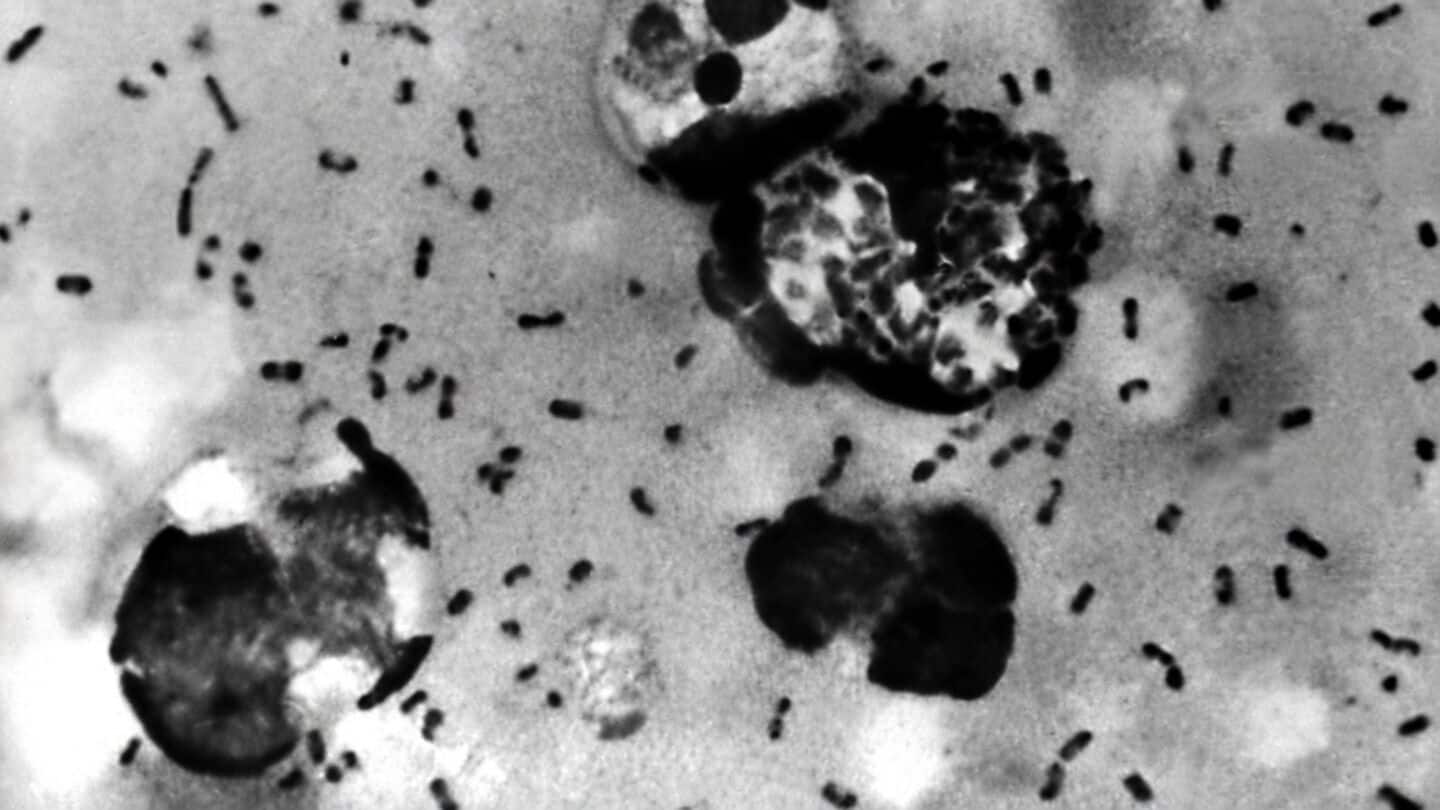
Pneumonic plague, caused by the bacterium Yersinia pestis, is a rare and deadly lung infection. It is considered the most dangerous form.
Other forms caused by Yersinia pestis include bubonic and septicemic plagues.
Bubonic plague usually occurs after a flea bite or through skin cuts, causing swollen lymph nodes and possibly progressing to septicemic plague, which infects the bloodstream and potentially leading to organ failure.
Transmission
Can spread from person to person
Pneumonic plague is the only form of the bacterial infection that can be transmitted from person to person. It spreads through respiratory droplets when an infected person coughs or sneezes.
Particles lodge in the lungs with pneumonic plague and can cause severe pneumonia, making breathing difficult.
Symptoms can appear within 24 hours of the infection.
They include severe pneumonia, fever, chills, headache, body aches, and more. Without treatment, it is almost always fatal.
Medical response
Treated with antibiotics
Pneumonic plague can be treated with antibiotics such as ciprofloxacin and levofloxacin for at least 10 to 14 days.
But early treatment within 24 hours of infection increases survival chances.
That being said, the World Health Organization (WHO) only recommends vaccination for high-risk groups like laboratory personnel.
While the plague is associated with ancient history, such as the "Black Death" in the 14th century, plague continues to occur today, primarily in Africa since the 1990s, WHO said.
Risk assessment
Risk to general population low
The WHO has said the risk to the general population appears to be low.
Symptoms develop quickly, making it difficult for infected individuals to travel far before showing signs of illness.
Dr. Rutul Dalal from Penn State Health St. Joseph Medical Center noted that "it's very difficult for someone to even walk, do their daily activities."
Preventive measures include avoiding direct contact with infected individuals and using protective equipment by healthcare workers caring for patients with pneumonic plague.