Love shopping? This is a must-read
What's the story
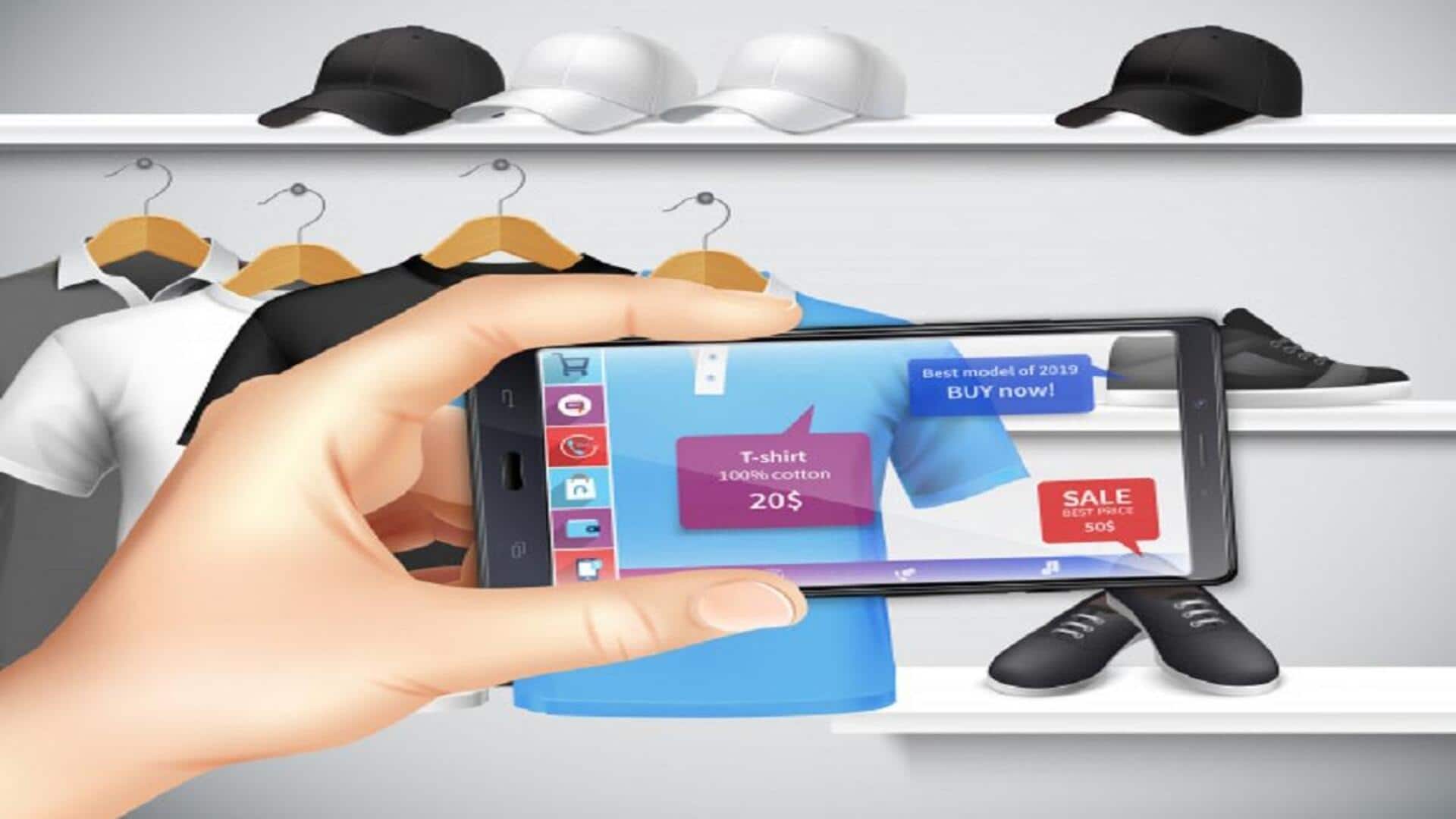
Immersive virtual retail stores are revolutionizing the shopping experience by employing AI to build interactive 3D environments. These digital spaces provide an opportunity to explore products as if you were walking around a physical store, increasing engagement and possibly sales. Leveraging generative AI, AR overlays, and neural networks, even the smallest businesses can get the most professional results. Here's how.
#1
Generative AI for custom room setups
Generative AI is changing the way rooms are set up inside virtual retail stores by letting businesses design custom layouts according to their requirements.
With tools such as Canva Magic Studio, users can create auto-layouts and images from text prompts, simplifying the process of visualizing e-commerce previews and banners.
This not only saves time but also makes sure the store's design fits its brand identity.
#2
Augmented reality overlays for product placement
Augmented reality overlays take product placement to the next level with a real-time view of how things will look in a real-world space.
Platforms like Planner 5D provide AI-driven furniture placement with AR previews, which would be perfect for both physical and virtual boutiques.
This can let customers visualize products in their own environment and make the right purchasing decision.
#3
Neural networks for optimized traffic flow
Neural networks are critical to optimizing traffic flow within these virtual retail stores.
By studying customer behavior data, these systems can predict the best layouts that resemble the best physical setups.
RetailNext offers analytics tools that optimize virtual designs on the basis of traffic and conversion data, making sure the store offers an intuitive shopping experience that promotes exploration and purchase.
#4
Computer vision enhancements with virtual try-on tools
With computer vision technology, the immersive experience is further enhanced with features like virtual try-on tools, in partnership with platforms like Shopify.
They allow AR shelf stocking and real-time rendering at 60 frames per second on mobile, providing seamless immersion for shoppers.
Computer vision integration also ensures accurate product representation and personalized customer interactions within the virtual store environment.