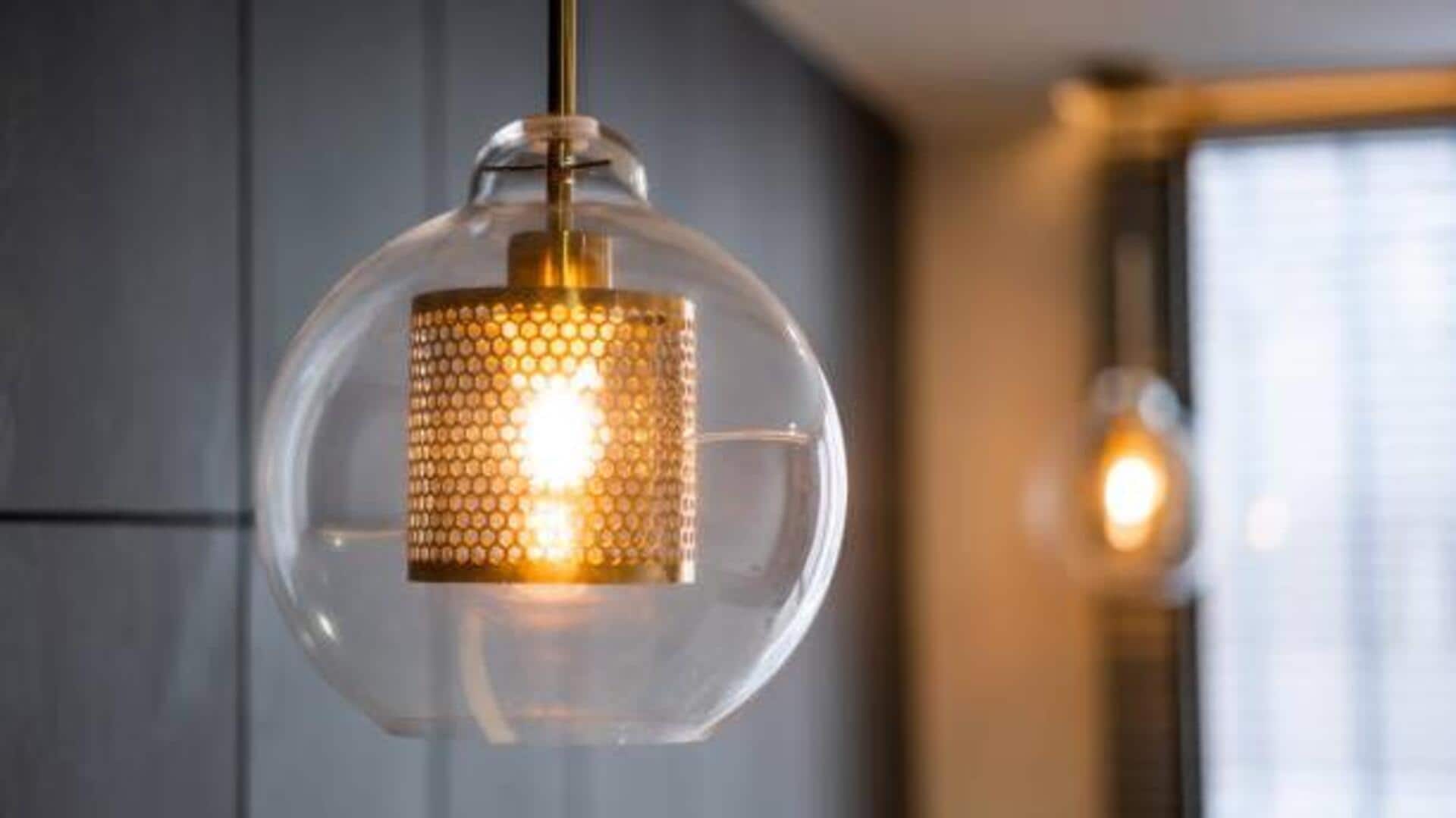
Want better indoor lighting? Try these AI tools
What's the story
AI is revolutionizing indoor lighting, making spaces more comfortable and productive. Leveraging data from occupancy, daylight, and time-of-day patterns, AI systems automatically adjust brightness and color temperature. This way, the light is in sync with activities instead of just remaining fixed. These systems can dim lights when natural daylight is sufficient, and switch to cooler or warmer light as needed, cutting energy use by 8% to 30%.
Tip 1
Smart lighting platforms for home offices
For home offices or small businesses, smart lighting platforms with AI-style automation prove extremely useful.
They provide personalized ambient lighting experiences, adapting to user preferences and routines over time.
They also come with features like automatic daylight harvesting and task-based brightness control, which ensure that you have a consistent lighting environment, one that is conducive to productivity.
Tip 2
Visualizing lighting with AI tools
AI tools like Spacely AI let you visualize and adjust lighting in room images before making any changes in real life.
This can be a great help in planning a productive office by allowing you to play with different lighting setups in a virtual environment.
It makes sure that the configuration you have chosen will be both aesthetic and functional, without any trial and error.
Tip 3
Professional lighting design optimization
For professional settings where precise lighting design and compliance checks are needed, AI-enabled design tools are invaluable.
They optimize fixture placement, verify appropriate lighting levels, and support adherence to energy codes.
By streamlining these processes, they ensure efficient use of resources while maintaining high standards of occupant comfort.
Tip 4
Components of an effective AI lighting setup
An effective AI-driven lighting setup usually consists of smart bulbs or fixtures, combined with occupancy sensors, daylight sensors, and an app or platform that learns user routines over time.
When used together, all these elements can make automatic adjustments based on environmental conditions and user activities throughout the day, seamlessly integrated.