45M will face acute hunger if Iran war continues: WFP
What's the story
The ongoing conflict in Iran could push an additional 45 million people into acute hunger by June, the World Food Programme (WFP) has warned. The United States-Israel attacks on Iran, which started in late February, have disrupted key humanitarian aid routes. This has delayed critical shipments to some of the world's worst crises. The WFP estimates that the conflict could push global hunger levels above the current record of 319 million.
Hunger crisis
Global hunger levels could reach new heights
Carl Skau, Deputy Executive Director of the WFP, stressed that this would be a "terrible, terrible prospect."
"This would take global hunger levels to an all-time record and it's a terrible, terrible prospect," he said.
"Already, before this war, we were in a perfect storm where hunger has never been as severe as now, in terms of numbers and how deep that hunger is," he added.
Aid impact
Shipping costs have risen by 18%
Skau also revealed that shipping costs have risen by 18% since late February.
Some shipments have had to be rerouted due to these disruptions.
These added expenses come as the WFP is already facing deep spending cuts, with donors shifting their focus more toward defense.
WFP is currently working on the ground in Lebanon, providing hot meals and bread to thousands of people.
To continue these operations over the next three months, it urgently needs $77 million in additional funding.
Fund
Crisis threatens agricultural stability far from the frontlines
Despite the rising need for assistance, the WFP faced a "40 percent cut in its resources last year" as international funding began to dry up.
Skau said they are "basically stretched to the limit," with operations becoming more expensive.
He warned that the crisis also threatens agricultural stability far from the frontlines, especially with fertilizer export disruptions through the Strait of Hormuz posing a major risk to sub-Saharan African nations like Somalia and Kenya during their planting season.
Somalia
Potential famine in Somalia
In Somalia, Skau said they are facing a potential famine due to two consecutive droughts. He said the WFP is struggling to help 700,000 people there because of funding shortages.
The lack of resources has also forced the agency to make cuts elsewhere.
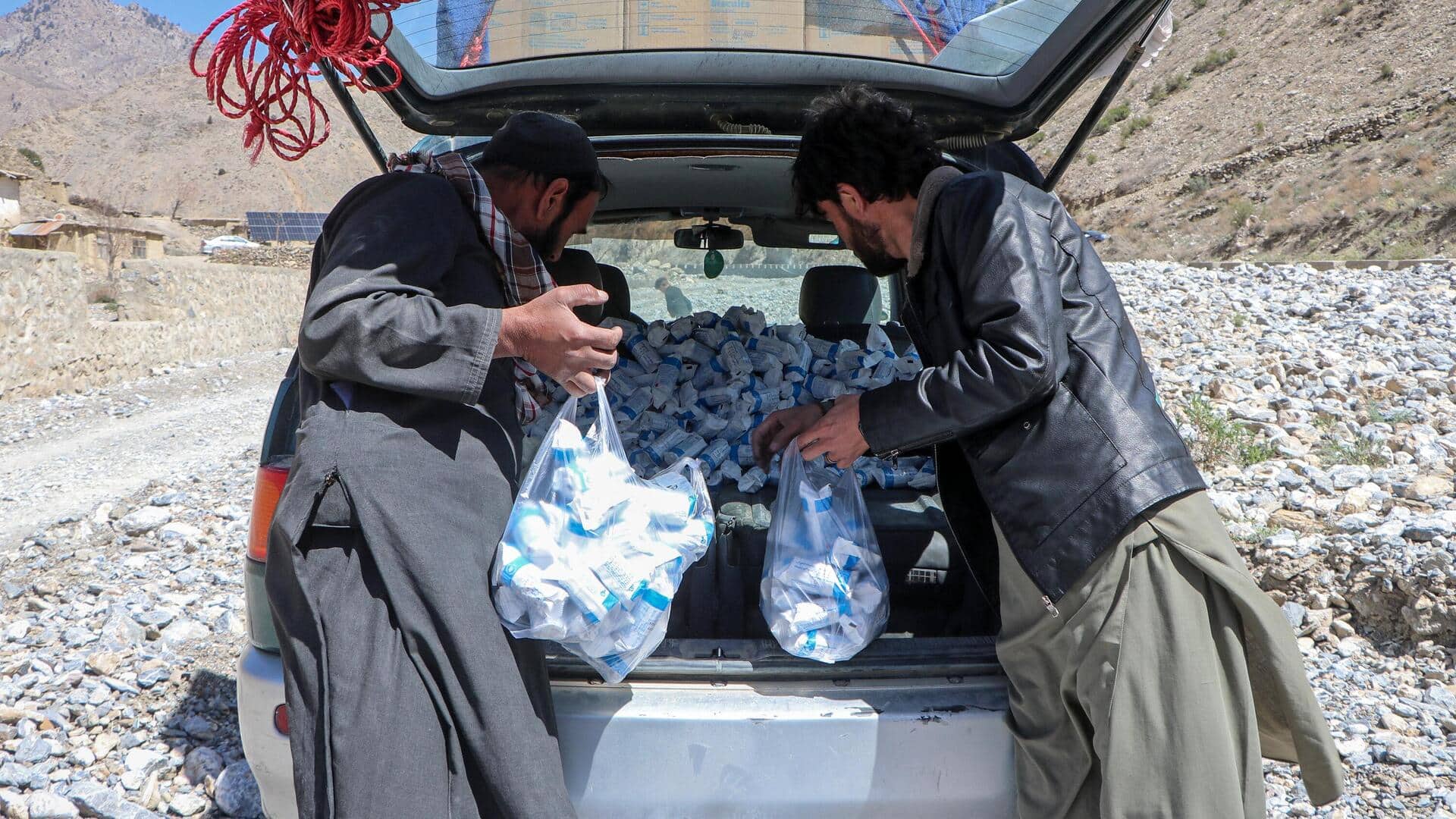
In Sudan, life-saving food rations have been reduced for those in famine conditions, while in Afghanistan, they can only support one in four acutely malnourished children.