China says it opposes any targeting of new Iranian leader
What's the story
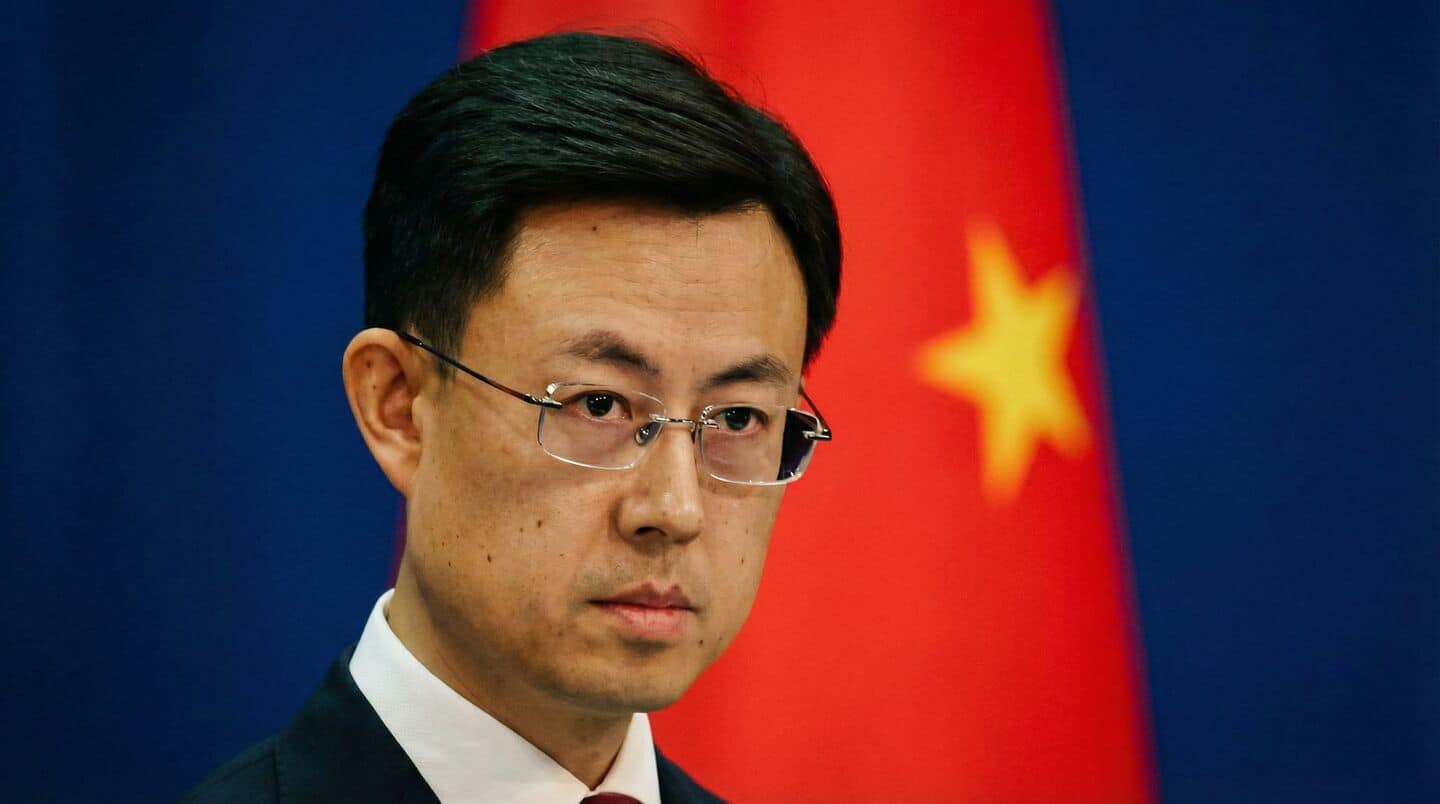
China said it opposes any attempts to target Iran's newly appointed Supreme Leader, Mojtaba Khamenei. He was appointed after his father, former Supreme Leader Ali Khamenei, was killed in a US-Israeli airstrike last weekend. China's Foreign Ministry spokesman Guo Jiakun emphasized that this decision was a domestic matter and should be respected under Iran's Constitution. "China opposes interference in other countries' internal affairs under any pretext, and Iran's sovereignty, security and territorial integrity should be respected," he said.
Conflict response
Trump rejects new leader
This comes after Israel threatened to target Mojtaba following his father's assassination.
US President Donald Trump had earlier dismissed Mojtaba as a "lightweight" and insisted on having a say in appointing a new Iranian leader.
"They are wasting their time. Khamenei's son is a lightweight. I have to be involved in the appointment," Trump told Axios. "Khamenei's son is unacceptable to me."
Diplomatic efforts
Beijing is a close partner of Tehran
Beijing is a close partner of Tehran and has condemned the US-Israeli strikes on Iran as "illegal aggression," but it has also criticized the Iranian strikes against Gulf states.
The country is concerned about its energy and Belt and Road Initiative interests due to the ongoing conflict.
China is heavily dependent on transit through the Strait of Hormuz for its oil supplies, with over half of its seaborne crude imports coming from the Middle East.
Conflict
More than 80% of Iranian oil exports went to China
The conflict has jeopardized global energy security, trade, and China's oil supplies.
According to analytics firm Kpler, China received more than 80% of Iranian oil exports in 2025. That made up only 13% of China's total seaborne oil imports.
However, more than half of China's total seaborne oil imports in 2025 came from the wider Middle East, Kpler added, leaving it extremely dependent on transit through the Strait of Hormuz.
Diplomatic relations
China's support for Iran
China's support for Iran extends through diplomatic, economic, and military-technical channels.
Diplomatically, Chinese officials have backed Iran's sovereignty and engaged with interim leadership to ensure continuity.
Economically, China continues to purchase a large portion of sanctioned Iranian oil and maintains a long-term pact with Tehran.
Militarily, China has pre-positioned missiles and cyber capabilities while cautiously supplying components to avoid US sanctions.