Transferring Iran's uranium 'difficult but not impossible': IAEA chief
What's the story
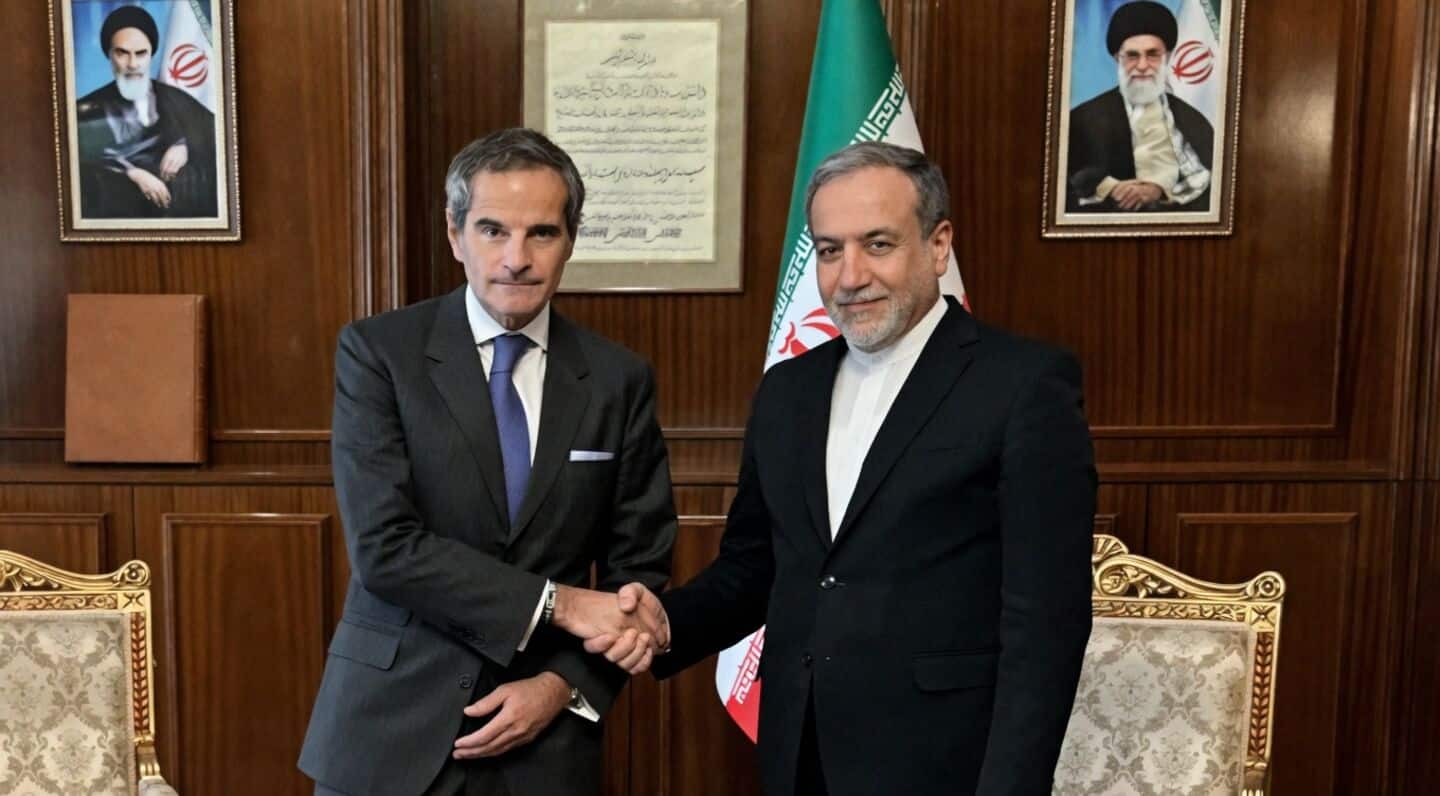
International Atomic Energy Agency (IAEA) chief Rafael Grossi has said that transferring Iran's highly enriched uranium is "difficult but not impossible." The statement, reported by Al Jazeera, comes amid a major hurdle in the ongoing negotiations between Tehran and Washington for a broader nuclear agreement. Grossi told the media outlet that the uranium is currently stored in a gaseous form, which makes its transportation difficult.
Uranium stockpile
Grossi discusses risks and alternatives
Iran is estimated to have around 440kg of uranium enriched to about 60% purity.
Grossi said, "Such an operation is not easy, because this is in gas form, highly contaminant, and it's not an easy operation,"
He also mentioned that other options, such as "downblending" the uranium into a less potent form, are being considered in discussions.
Negotiation dynamics
IAEA's role in negotiations
Grossi clarified that the IAEA is not directly involved in the ongoing negotiations between Iran and the United States.
However, he said that the agency has been in touch with both parties separately to make a potential agreement viable.
"Our contribution to this is to make it possible, to make it viable," Grossi said, referring to these efforts.
US stance
Trump urges Iran to hand over enriched uranium stockpile
Meanwhile, US President Donald Trump has called on Iran to hand over its enriched uranium stockpile.
In a post on Truth Social, he referred to the material as "nuclear dust" and suggested it should be either sent to the United States for destruction or destroyed under international supervision.
He also proposed expanding the Abraham Accords to include Iran in a wider peace framework in the Middle East.
Iranian position
Uranium enrichment not negotiable, says Iran
However, Iran has firmly rejected any proposal to stop its uranium enrichment activities.
Mohammad Fathali, Iran's Ambassador to India, reiterated that the country won't give up what it considers its legal right to peaceful nuclear technology under international agreements.
He stressed that uranium enrichment isn't part of the current negotiations with the United States.