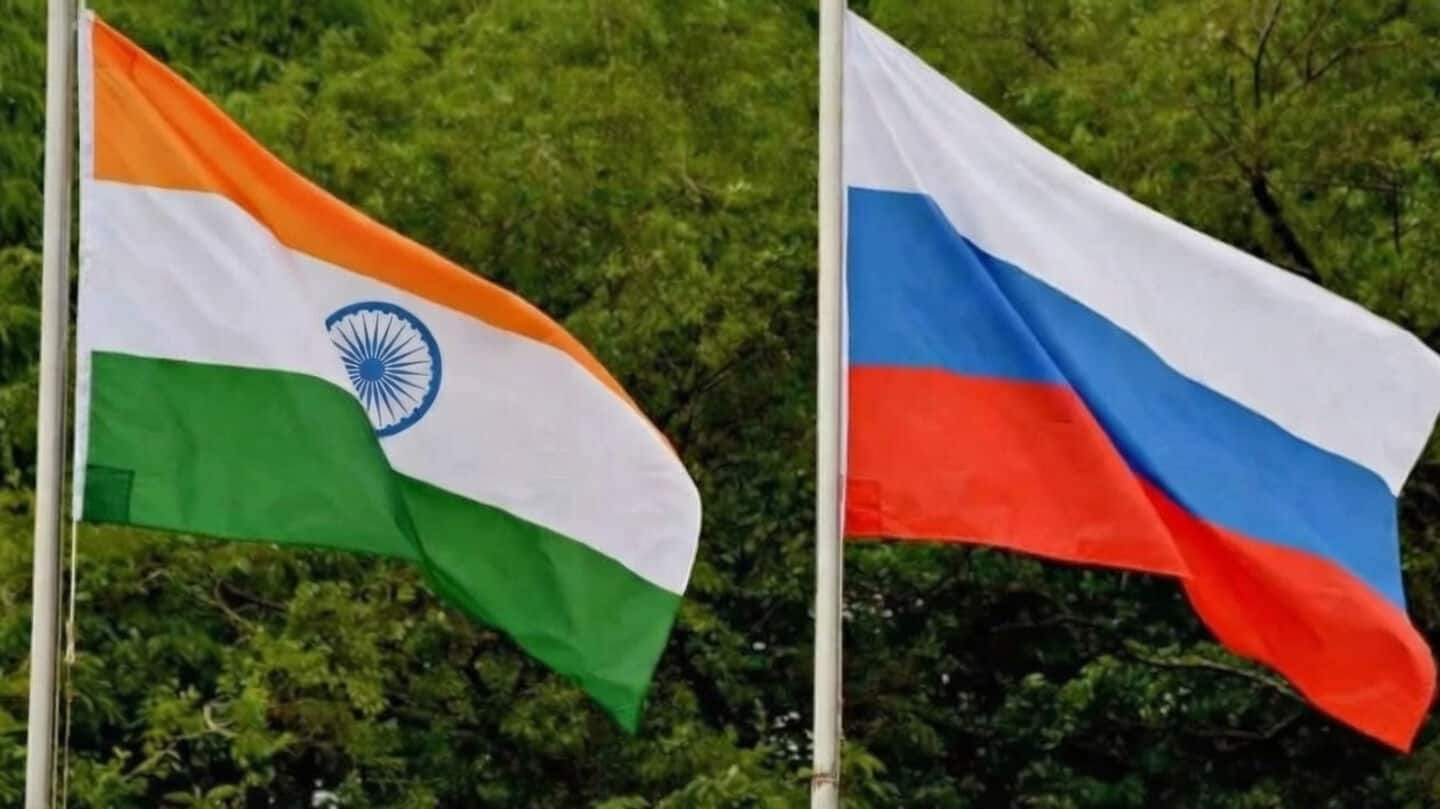
Explained: India, Russia's reciprocal logistics agreement (RELOS)
What's the story
India and Russia have signed a reciprocal logistics agreement (RELOS) allowing the stationing of up to 3,000 troops, naval ships, and aircraft in each other's territories. The pact was signed in February 2025 and came into effect on January 12 this year, according to Russia's official legal information portal. It aims to strengthen long-term military cooperation between the two nations by facilitating joint exercises and improving interoperability in the Indo-Pacific and Arctic regions.
Ratification details
RELOS was ratified by Russian parliament in December 2025
The RELOS agreement was ratified by the Russian Parliament in December 2025.
It allows "five warships, 10 aircraft and three thousand troops to be simultaneously stationed in the territory of the partner country for a period of five years," Vyacheslav Nikonov, First Deputy Chairman of the International Affairs Committee, confirmed to Moscow's State Duma.
The agreement can be extended for another five years with mutual consent.
Logistics and training
Logistics support for deployed troops, equipment
The RELOS agreement also covers logistics support for deployed troops and equipment. This includes port access, repair services, supply of water, and food for warships.
For military aircraft, it covers air traffic control services, aeronautical data processing, and the use of military navigation systems.
The pact is significant amid ongoing conflicts in West Asia and Ukraine as it governs logistics support along with deployment regulations.
Facility access
Access to military facilities
The RELOS agreement also provides reciprocal access to military facilities such as airbases and ports. This gives India access to Russian naval and air bases, including those in the Arctic.
Russia, on the other hand, gets broader access to Indian facilities.
The agreement specifically covers "deployment of military formations," which will help facilitate joint training, disaster relief operations, and coordinated missions between both nations' armed forces.