Iran calls Trump's US-Iran talks claim 'fake news'
What's the story
Iran has rejected United States President Donald Trump's claims of negotiations between the two nations. Iranian Parliament Speaker Mohammad Bagher Ghalibaf called the claims "fake news" aimed at manipulating financial and oil markets. Taking to X, he said no negotiations had been held with the US and said fake news is used to manipulate the financial and oil markets and escape the quagmire in which the US and Israel are trapped.
Strike suspension
Trump announces pause in military strikes against Iran
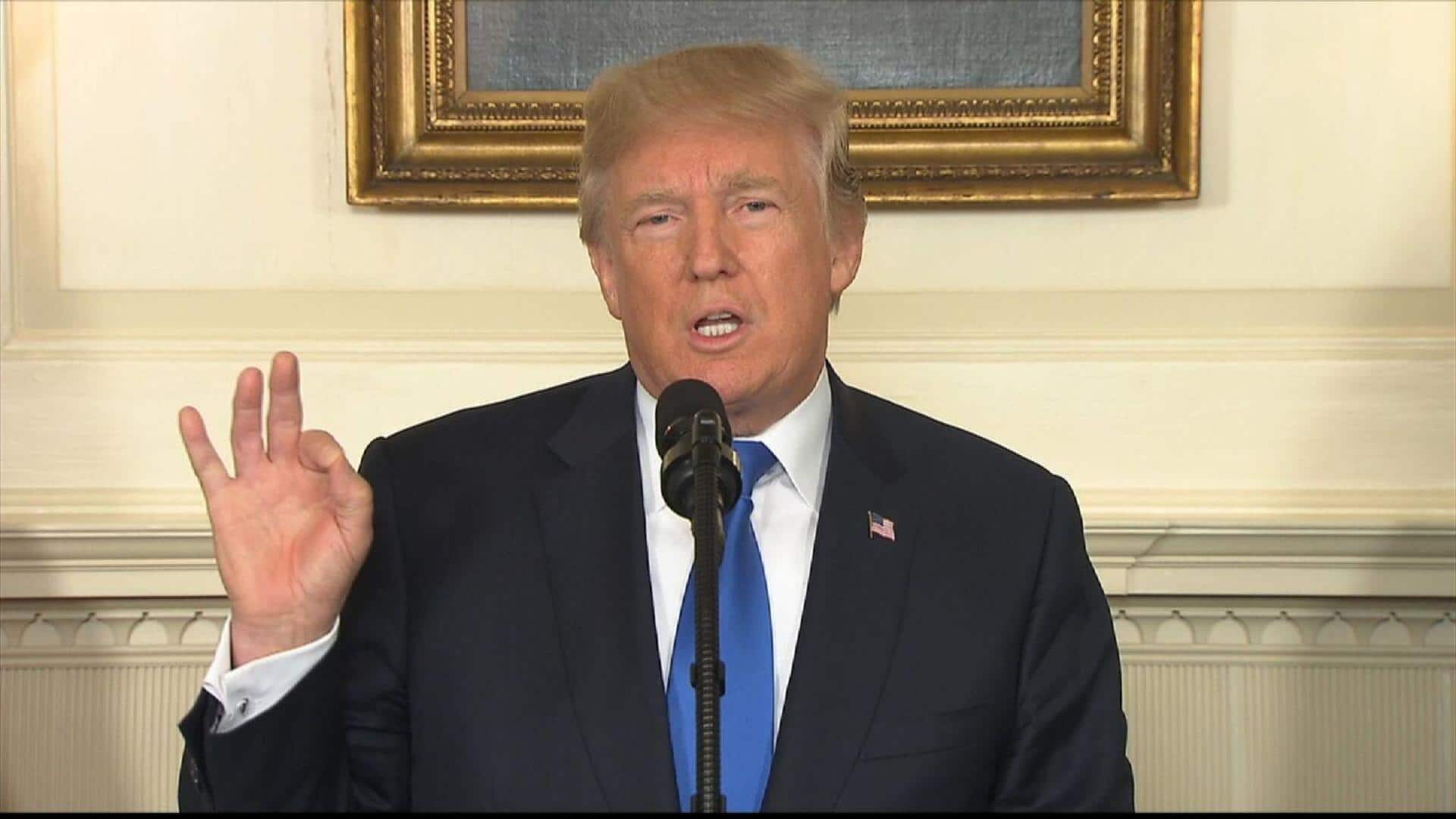
Trump had announced a five-day pause on military strikes against Iranian energy sites, citing "very good and productive conversations" between Washington and Tehran.
He described the talks as "in-depth, detailed, and constructive," adding that the pause would depend on the success of ongoing discussions.
However, Iranian state media rejected these claims as part of efforts to lower energy prices and buy time for US military plans.
Media skepticism
Iranian news agencies reject Trump's assertions
Iranian news agencies Fars and Tasnim also rejected Trump's assertions, depicting the US move as a climbdown under pressure.
Tasnim reported that while messages had been sent to Tehran by mediators since the start of the war, Iran's clear response was to continue its defense until sufficient deterrence was achieved.
The agency added that "no negotiations have taken place and none are underway."
Twitter Post
Mohammad bin Ghalibaf's post on X
2/ No negotiations have been held with the US, and fakenews is used to manipulate the financial and oil markets and escape the quagmire in which the US and Israel are trapped.
— محمدباقر قالیباف | MB Ghalibaf (@mb_ghalibaf) March 23, 2026
Unified stance
Ghalibaf says all Iranian officials stand behind Supreme Leader
Ghalibaf said all Iranian officials stand firmly behind their supreme leader until the complete and remorseful punishment of aggressors is achieved.
He added that the Iranian people demand such punishment for those who have attacked them.
The US-Iran tensions have been high since the start of the war, with both sides accusing each other of escalating hostilities in the Middle East.