Iran's food inflation hits 140%
What's the story
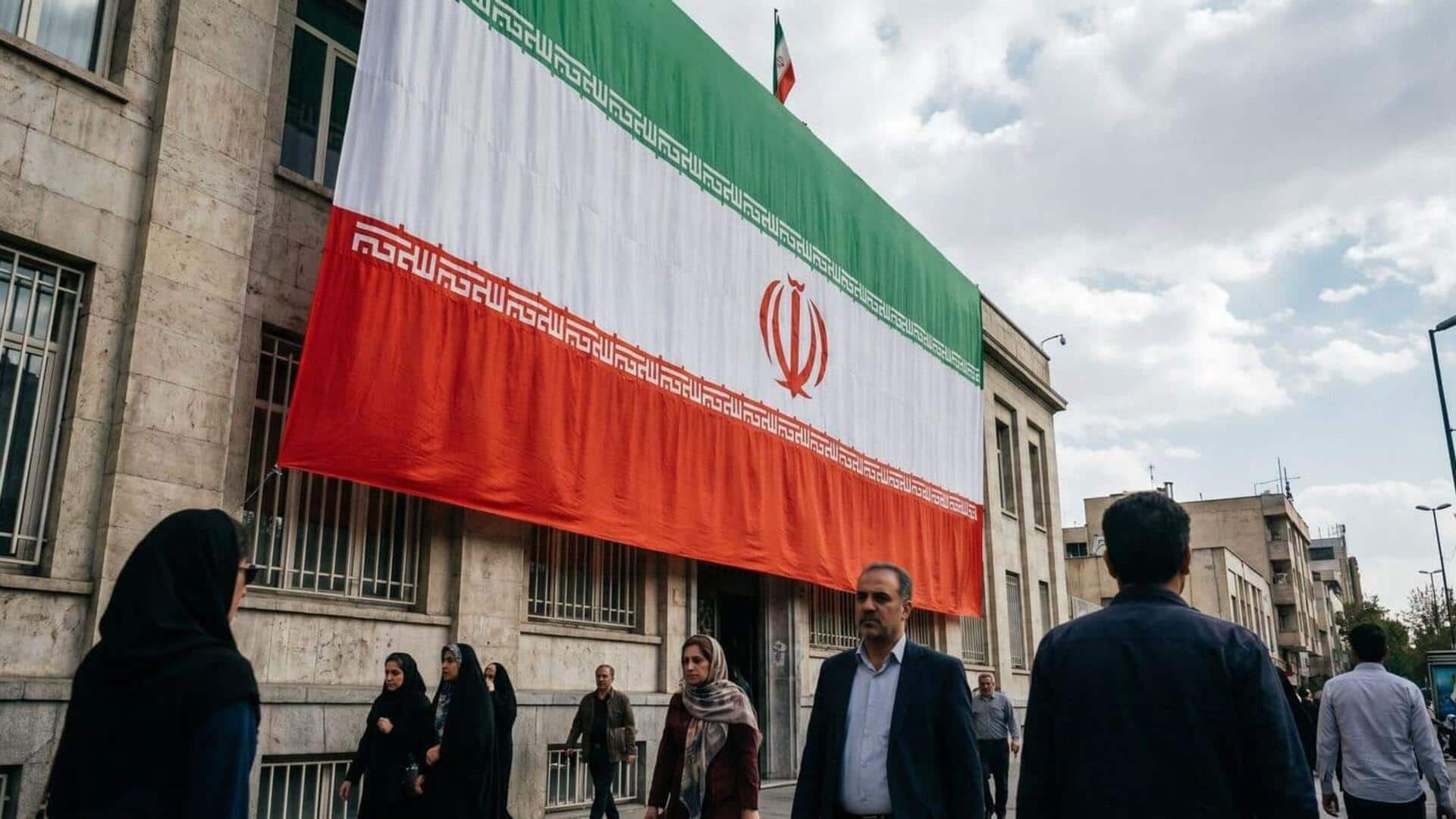
Iran is facing a severe economic crisis, with hyperinflation and skyrocketing food prices. The country's year-on-year inflation rate is above 80%, putting immense pressure on household finances. The Statistical Center of Iran (SCI) recorded a record annual inflation rate of 66% for the year ending July, the highest in decades. Food prices are the main driver of this inflation, with nationwide food inflation reaching 134% in July and even higher at 140% in rural areas.
Economic impact
Meat and dairy consumption plummets
The hyperinflation has led to a drastic change in consumer behavior. Iranians are cutting back on meat, dairy, and coffee due to skyrocketing prices.
Dairy consumption has plummeted from 130kg per person annually in 2010 to just 40kg today.
Prices for beef, lamb, and chicken have also risen by about 149% compared to last year.
Job losses
Coffee is an unaffordable luxury
Coffee has become an unaffordable luxury as the cost of coffee beans has nearly doubled since the war.
This has led to a steep rise in cafe prices, with Americano drinks costing between 1.1 million rials (about $0.59) and 3.8 million rials (about $2.04).
Employment opportunities have also shrunk due to rising prices; around 450,000 jobs were lost year-on-year and unemployment rose to 2.5 million people.
Supply decline
Red meat supply drops significantly
Iran's red meat supply has also dropped significantly, falling to about 623,000 metric tons last year. This is nearly 20% lower than in 2024.
While per capita poultry consumption has increased by around 40% since 2010 as households turn to cheaper sources of animal protein, rising poultry prices are now making this option less affordable for many families.
Since February 28, 2026, Iran has been engaged in an open military conflict with the United States and Israel.