Pakistan explores financing options to repay $3B UAE loan
What's the story
Pakistan is exploring multiple financing avenues to repay a $3 billion loan from the United Arab Emirates (UAE). The UAE has demanded full repayment of the loan, ending a seven-year rollover agreement. The South Asian nation is now considering eurobonds, Islamic sukuks, rupee-linked bonds, and yuan-denominated debt as possible repayment options.
Economic overview
Foreign-exchange reserves and economic challenges
Pakistan's foreign-exchange reserves stood at $16.4 billion as of March 27, enough to cover nearly three months of imports.
However, the country's economy is under pressure due to rising oil prices and geopolitical tensions in the Middle East.
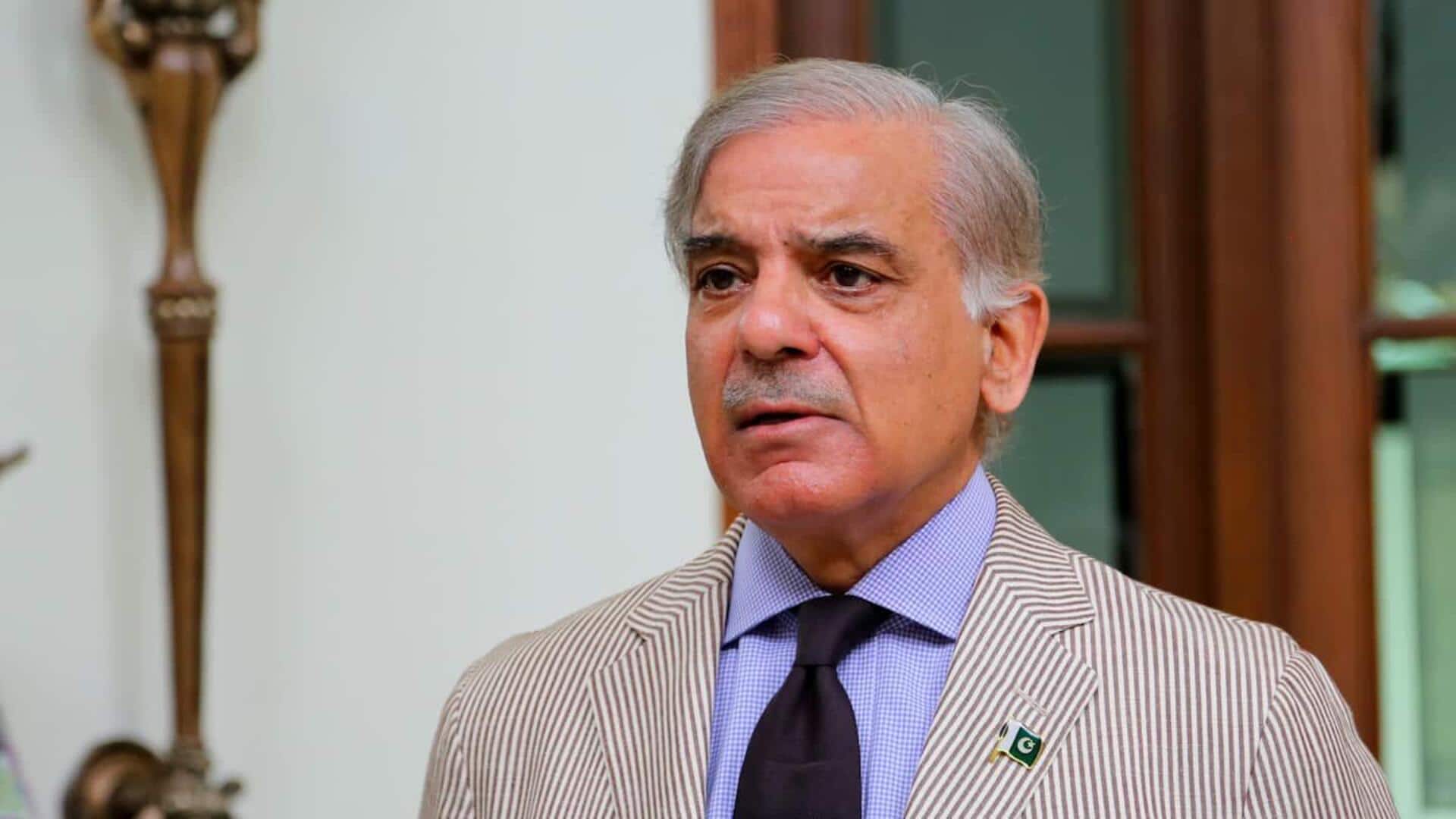
Finance Minister Muhammad Aurangzeb expressed confidence in Pakistan's ability to meet its obligations despite these challenges.
Bond issuance
Plans to issue eurobonds after 4 years
Pakistan is also planning to return to global bond markets this year by issuing eurobonds after a four-year gap.
Aurangzeb said, "It is going to be a combination of eurobonds, Islamic sukuks and dollar-settled rupee-linked bonds."
The government is also preparing for its first yuan-denominated debt sale, Panda bonds, in the second quarter, with an initial sale of $250 million.
IMF discussions
IMF bailout program disbursements expected soon
Pakistan is also expecting a meeting of the International Monetary Fund's executive board to approve disbursements from a $7 billion bailout program.
However, Aurangzeb said Pakistan isn't currently looking for an acceleration or augmentation of this program due to the oil shock.
He added that if any vulnerabilities arise in terms of macroeconomic conditions, they would discuss with the IMF then.