Pentagon seeks $200B as US-Iran war nears fourth week
What's the story
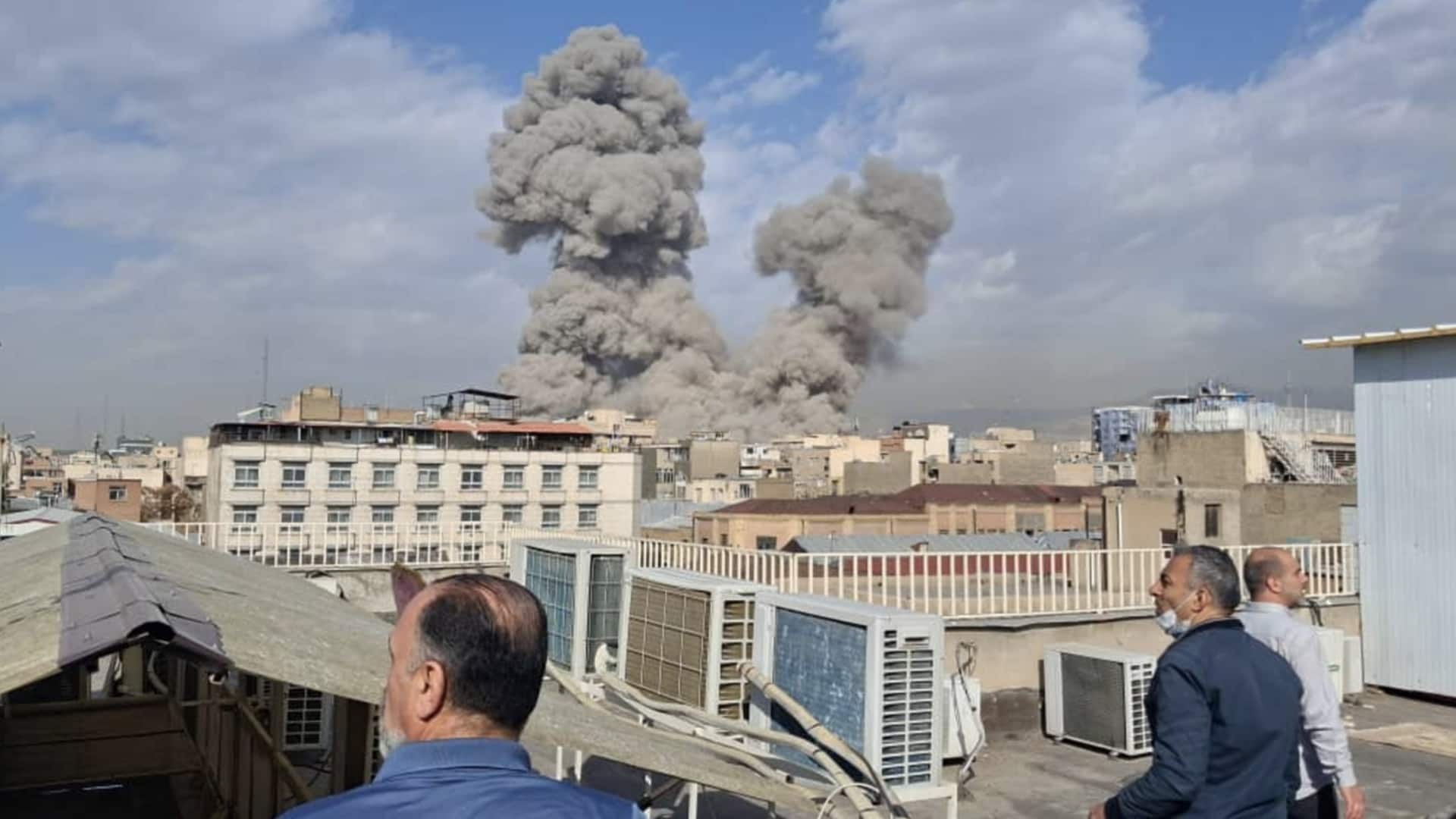
The United States Department of Defense has asked the White House to approve a request to Congress for over $200 billion to fund its ongoing war in Iran. The proposed funding would be used mainly to increase production of key weapon systems heavily utilized in recent operations by US and Israeli forces against numerous Iranian targets. As of today, the direct war has been going on for 19 days and is about to enter the fourth week in couple days.
Funding debate
Funding request faces challenges
The funding request is likely to face opposition from lawmakers who are against the war.
Public support for the military campaign remains limited, and Democratic lawmakers have been vocal critics of the conflict.
While many Republicans support a supplemental funding request, they haven't detailed a legislative strategy to secure the required 60 votes in the Senate.
Rising expenses
Financial implications of the conflict
The financial burden of the Iran conflict has risen rapidly, crossing $11 billion within its first week.
This figure only includes munitions used in initial strikes and does not account for troop deployments, logistics, and ongoing operations.
The spending is already one of the most expensive early phases of a military campaign in recent years.
Budget comparison
Annual budgets of major US agencies
The $11.3 billion spent in the first week alone is more than the annual budgets of several major US agencies.
These include the Environmental Protection Agency ($8.8 billion), Centers for Disease Control and Prevention ($9.2 billion), and National Cancer Institute ($7.4 billion).
This comparison has intensified debates around fiscal priorities, especially as President Donald Trump's administration seeks to cut spending in areas like scientific research and public health initiatives.
Strategic planning
Defense industry and production ramp-up
Inside the Pentagon, Deputy Defense Secretary Steven Feinberg is leading the planning effort.
He has spent the past year focusing on strengthening the US defense industry and expanding production of precision-guided munitions.
Defense analysts said that increasing production may take time due to workforce shortages and limited facilities.