'Choose side': US unhappy with Oman's neutrality in Iran war
What's the story
The United States is reportedly unhappy with Oman's neutral position in the ongoing US-Iran conflict. According to The Wall Street Journal, Washington is now asking Muscat to choose a side and, at the same time, sever ties with Tehran. When the war started, Oman had established a back channel with Iran, which Arab officials said helped Gulf states reopen flight corridors. However, this neutrality is now being viewed as hostile by the US.
Escalating tensions
Trump issues bomb threat to Oman over Strait of Hormuz
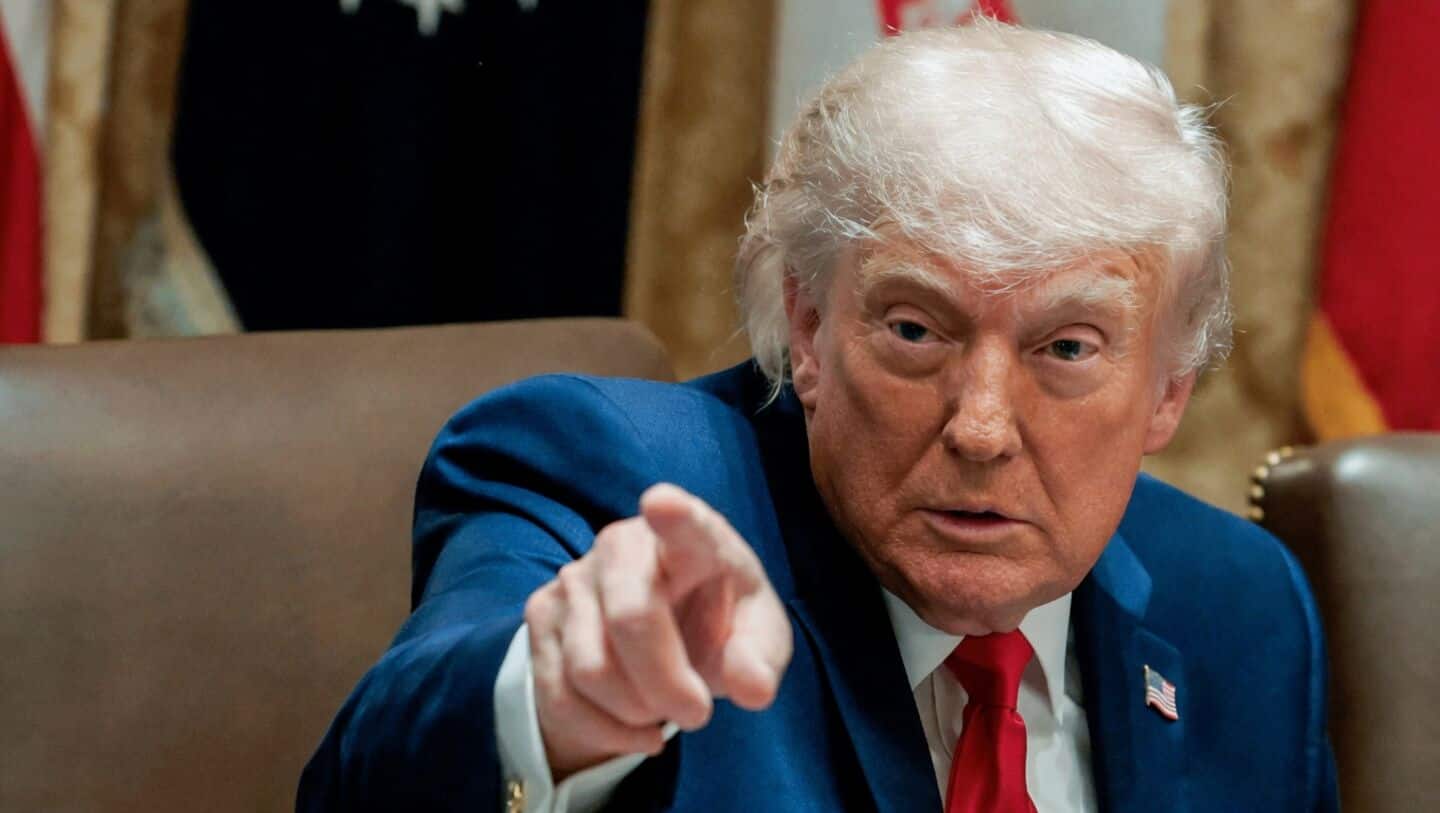
US President Donald Trump recently threatened Oman with sanctions and bombings if it goes ahead with plans to charge transit fees in the Strait of Hormuz.
He said, "Oman will behave just like everybody else, or we'll have to blow them up."
This threat came after reports that Iran had proposed a joint arrangement with Oman for levying fees on ships passing through the strait.
Diplomatic assurances
Oman's Information Minister says ready to work with responsible partners
US Treasury Secretary Scott Bessent also warned of sanctions if Oman goes ahead with the proposed charges.
However, Oman's ambassador to Washington, Talal Alrahbi, assured Bessent that there are "no plans for tolling."
Oman refused to respond to questions regarding the US's pressure to sever ties with Iran, but its Information Minister Abdulla Al-Harrasi told The Wall Street Journal that they are ready to work with responsible partners to promote stability and safeguard strategic interests.
Regional backlash
Oman has faced criticism from regional partners
Oman's neutrality in the Iran conflict has also drawn criticism from regional partners such as the UAE and Saudi Arabia.
These countries see Muscat's ties with Tehran as unusually close.
Tensions have been fueled by Oman's refusal to join joint statements condemning Iranian attacks and its reluctance to publicly blame Iran after drone strikes on Omani ports.
"In a volatile region, responsible leadership means keeping channels of communication open and preventing tensions from escalating into conflict," Al Harrasi said.