'You said...': Trump shifts Iran war blame to Pete Hegseth
What's the story
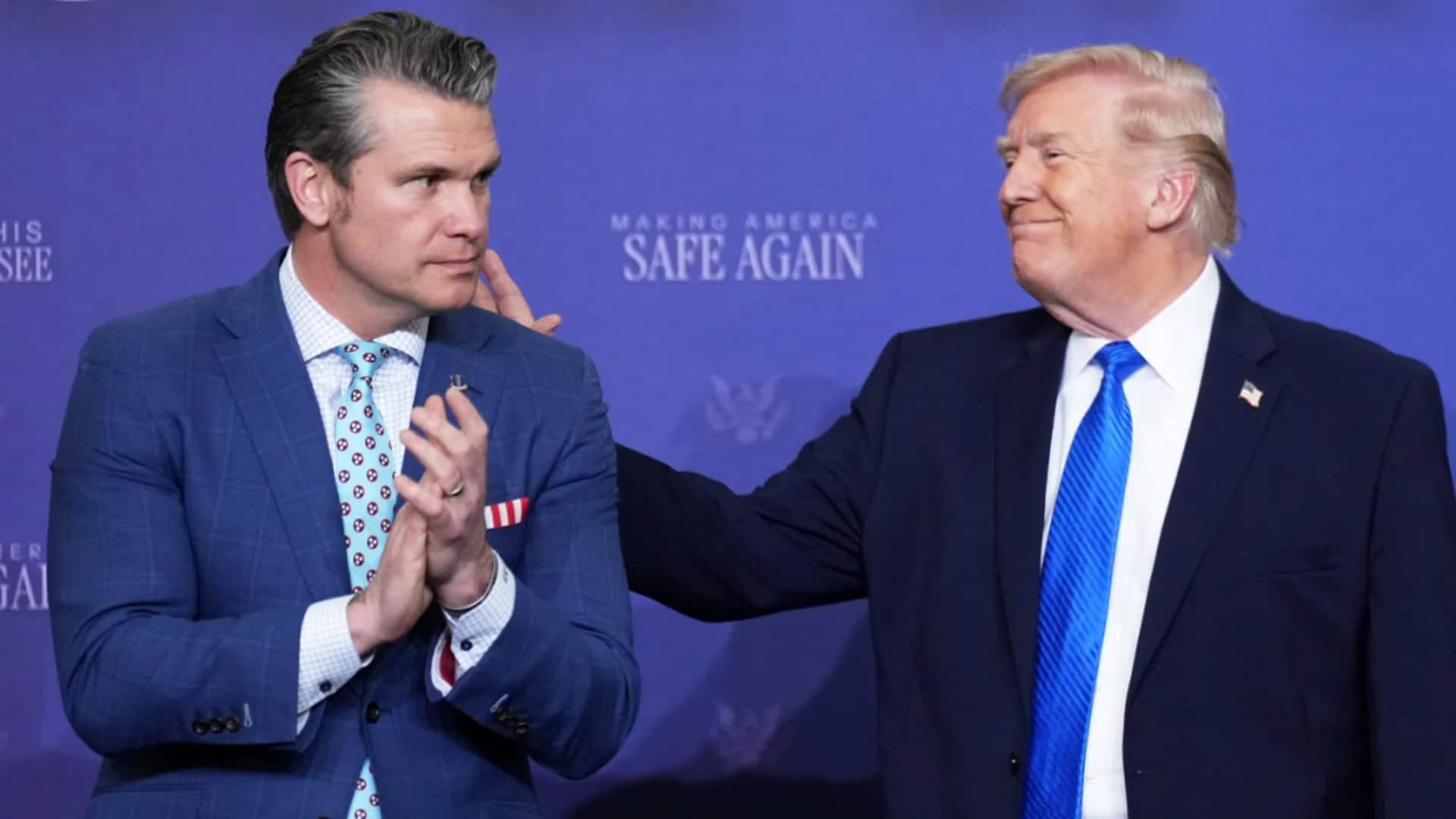
United States President Donald Trump appears to have shifted the blame for the ongoing conflict with Iran to his Defense Secretary Pete Hegseth. At a roundtable in Tennessee on Monday, Trump said Hegseth was the first to advocate for military action against Iran. "Pete, I think you were the first one to speak up, and you said, 'Let's do it because you can't let them have a nuclear weapon,'" he said.
War rationale
Controversy surrounding US military action against Iran
The reason behind the US's military action against Iran has been a matter of contention within Trump's administration.
Some officials have claimed that Israel was going to attack regardless, making US involvement unavoidable. Others have argued that Iran was ready to use a nuclear weapon.
Trump himself has given a dramatic retelling of how the decision came about, saying he consulted several key figures before taking action.
He said, "I called Pete. I called General Kane. I called...great people."
War effort
Hegseth's role in the Pentagon and divisions within administration
Hegseth has been a prominent figure in the Pentagon, outlining objectives such as dismantling Iran's missile program and naval power. He has also criticized media coverage of the conflict.
Despite his visibility, Vice President JD Vance has been less supportive of the war, though he has not criticized it publicly either.
Behind closed doors, there are divisions within Trump's administration over military action against Iran, with some urging caution while others encourage it, according to India Today.
Internal divisions
Possible negotiations with Iran and warnings ignored by Trump
Despite Trump's claims that Iran's retaliatory strikes were unexpected, reports suggest there were internal warnings about possible Iranian retaliation.
Joe Kent, the former head of the National Counterterrorism Center, resigned last week over the conflict.
Trump has also hinted at possible negotiations with Iran to end hostilities and reopen the Strait of Hormuz. However, Iran denies that any such talks are taking place.