Trump can continue work on $400M White House ballroom project
What's the story
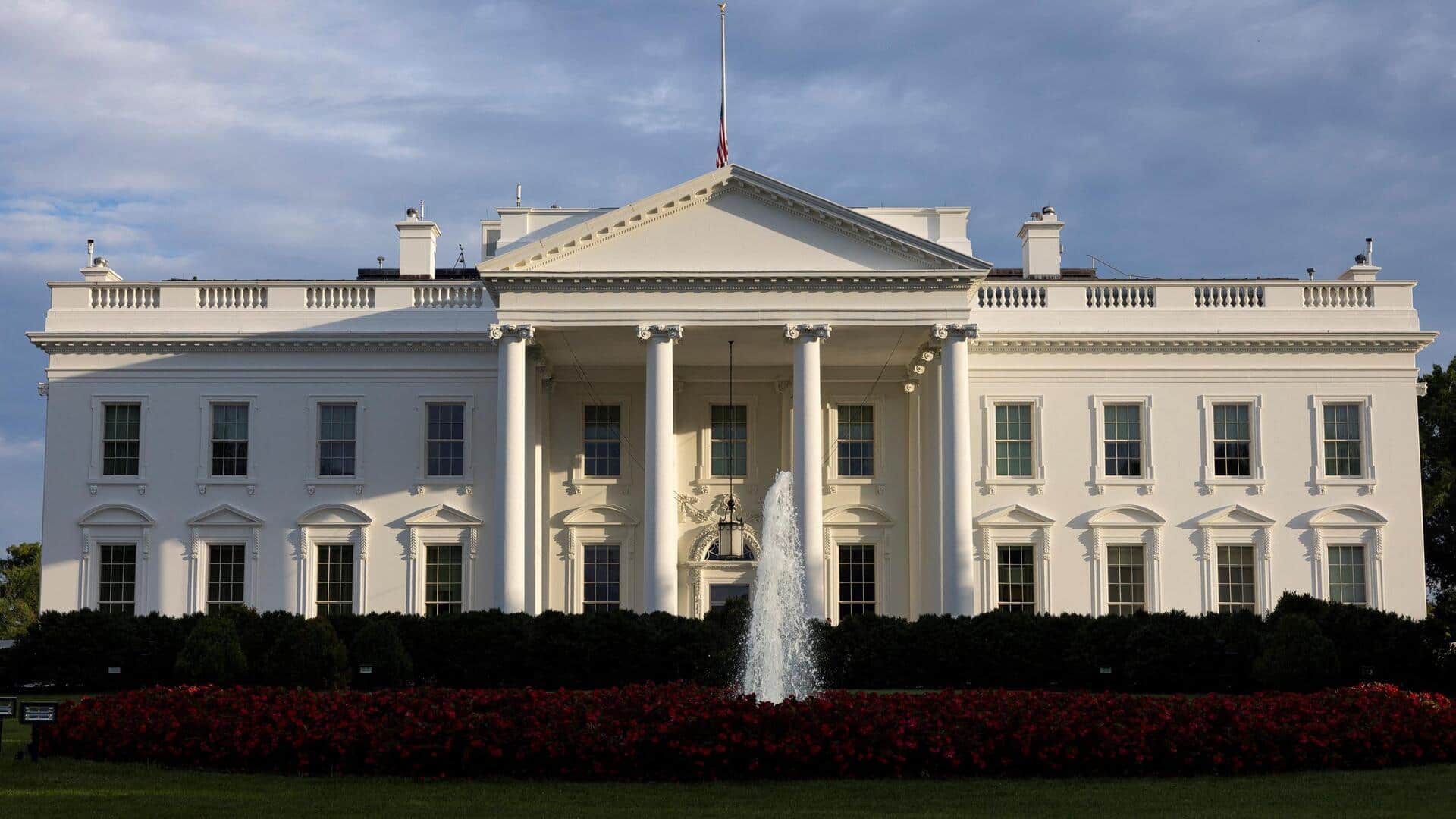
A United States appeals court has temporarily allowed President Donald Trump to continue work on a $400 million White House ballroom project. The decision overturns a lower court's order that had previously halted construction. The three-judge panel of the US Court of Appeals for the DC Circuit ruled 2-1 in favor of the administration, giving them until April 17 to continue work and seek Supreme Court review.
Security concerns
Judge Richard Leon previously halted construction
The court's order also directed federal district court Judge Richard Leon to clarify questions related to White House safety and security.
Last month, Leon had ordered a halt to construction, arguing that Trump required congressional approval for such a large-scale project.
He emphasized that while Trump is "steward" of the White House, he is not its owner.
Legal debate
Appeals court highlights divisions within the panel
The appeals court's decision also highlighted divisions within the panel.
Judges Patricia Millett and Bradley Garcia were in the majority, while Neomi Rao dissented.
The majority raised concerns about the administration's argument that pausing construction would pose national security risks, questioning how the injunction interferes with existing safety plans at the White House.
Project delay
Rao argues 'irreparable injury' outweighs aesthetic concerns
In her dissent, Rao had argued that further fact-finding would unnecessarily delay the project.
She contended that the "irreparable injury" from halting construction is a weightier interest than aesthetic harms raised by critics.
The appeals court has now sent the matter back to the lower court for clarification on the unresolved factual questions, including the scope of the national security exception.
Legal action
Controversy surrounding ballroom project
The ballroom project has been controversial since its inception last October.
The East Wing of the White House, which had stood since 1902, was demolished to make way for the 90,000-square-foot structure.
Opponents such as the National Trust for Historic Preservation have sued to block it, arguing that Trump exceeded his authority without congressional approval.