US, Iran reach agreement to gradually reopen Hormuz: Report
What's the story
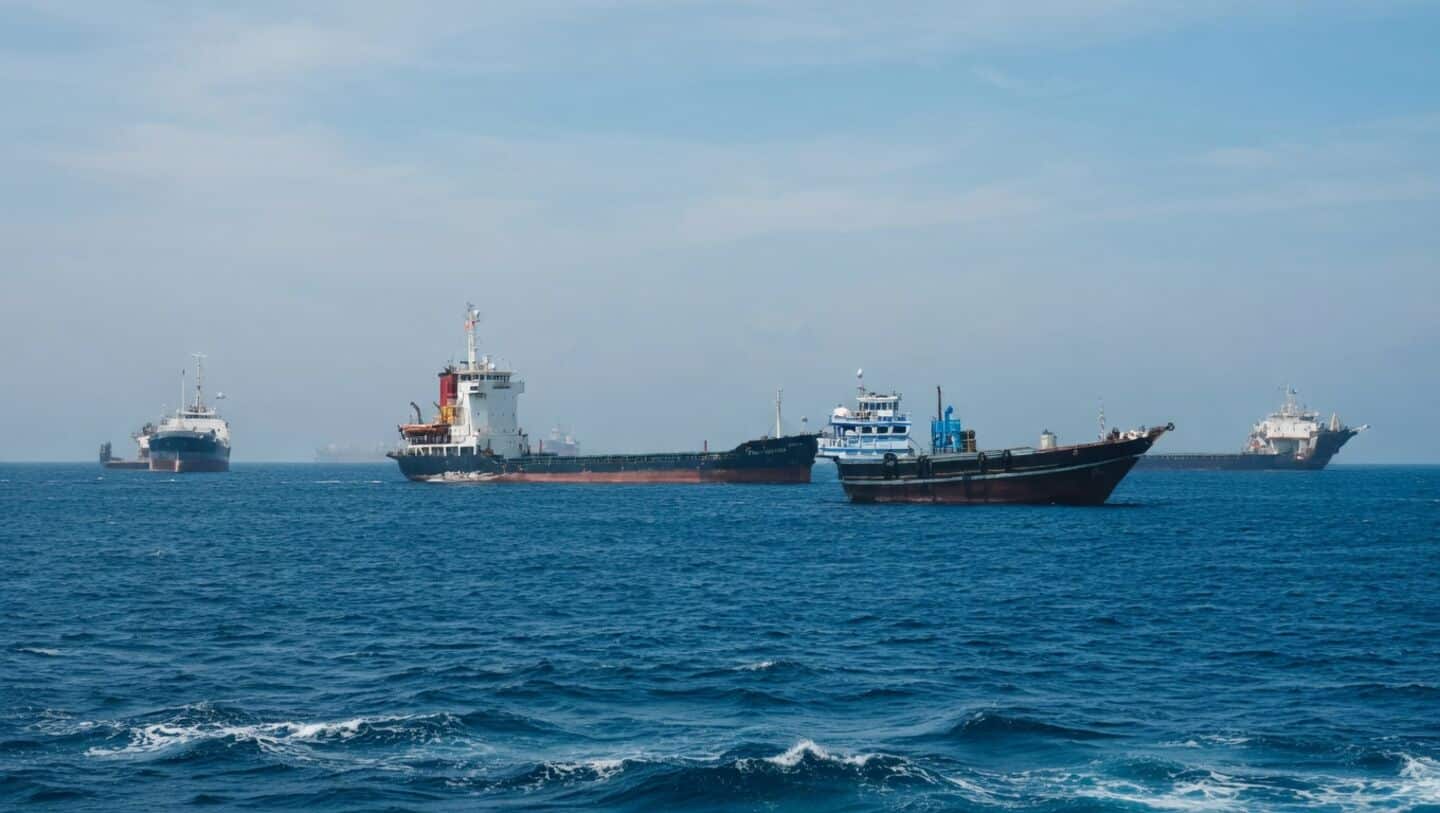
The United States and Iran have reportedly reached an agreement to ease the American naval blockade of Iran in exchange for a gradual reopening of the Strait of Hormuz. Sources told Al Arabiya, "Agreements have been reached regarding easing the blockade in exchange for the gradual reopening of the Strait of Hormuz. The coming hours will witness the release of ships stuck in the strait."
Maritime release
Deal expected soon
They said that intensive contacts are currently underway on this issue and that "a breakthrough in resolving the issue of ships blocked in the strait is expected in the coming hours."
This development comes hours after US President Donald Trump expressed optimism over a potential deal with Iran.
According to Axios, Trump said that "good talks" between Tehran and Washington have taken place in the last 24 hours.
Conflict resolution
Iran reviewing US's 14-point proposal
Iran is currently reviewing a 14-point memorandum of understanding proposed by the US. The framework aims to halt the ongoing conflict that began on February 28.
According to Axios, key elements of the proposed arrangement include Iran agreeing to pause nuclear enrichment activities and the US easing sanctions while facilitating the release of billions in frozen Iranian funds.
Shipping impact
Proposed arrangement to ease maritime transit restrictions
The proposed arrangement also seeks to ease restrictions on maritime transit through the Strait of Hormuz, a crucial global shipping route.
The strait is a key transit route for global oil shipments, making any change in military or maritime policy have far-reaching impacts on energy markets worldwide.
While the pause indicates progress toward de-escalation, the ongoing blockade shows that tensions remain unresolved.
Iran had shut the strait at the beginning of the conflict, causing disruption in global energy supply.