US sets 2 conditions to resume talks with Iran
What's the story
The United States has set new conditions for resuming talks with Iran, with President Donald Trump saying negotiations could restart "within the next two days." Trump told the New York Post that Washington had been approached by the "right people" interested in reaching a deal. Officials from Iran and Pakistan also told Reuters that both sides could return to Islamabad this week for peace talks.
Condition speculation
Conditions for talks
Unofficial reports on social media have hinted at two broad conditions set by the US: reopening the Strait of Hormuz and Iran's delegation having full authority from the Islamic Revolutionary Guard Corps (IRGC) to finalize any agreement.
However, these details remain unconfirmed officially.
The last round of negotiations in Islamabad collapsed over disagreements on Iran's nuclear program and, according to US officials, a lack of decision-making authority within the Iranian delegation.
Authority issues
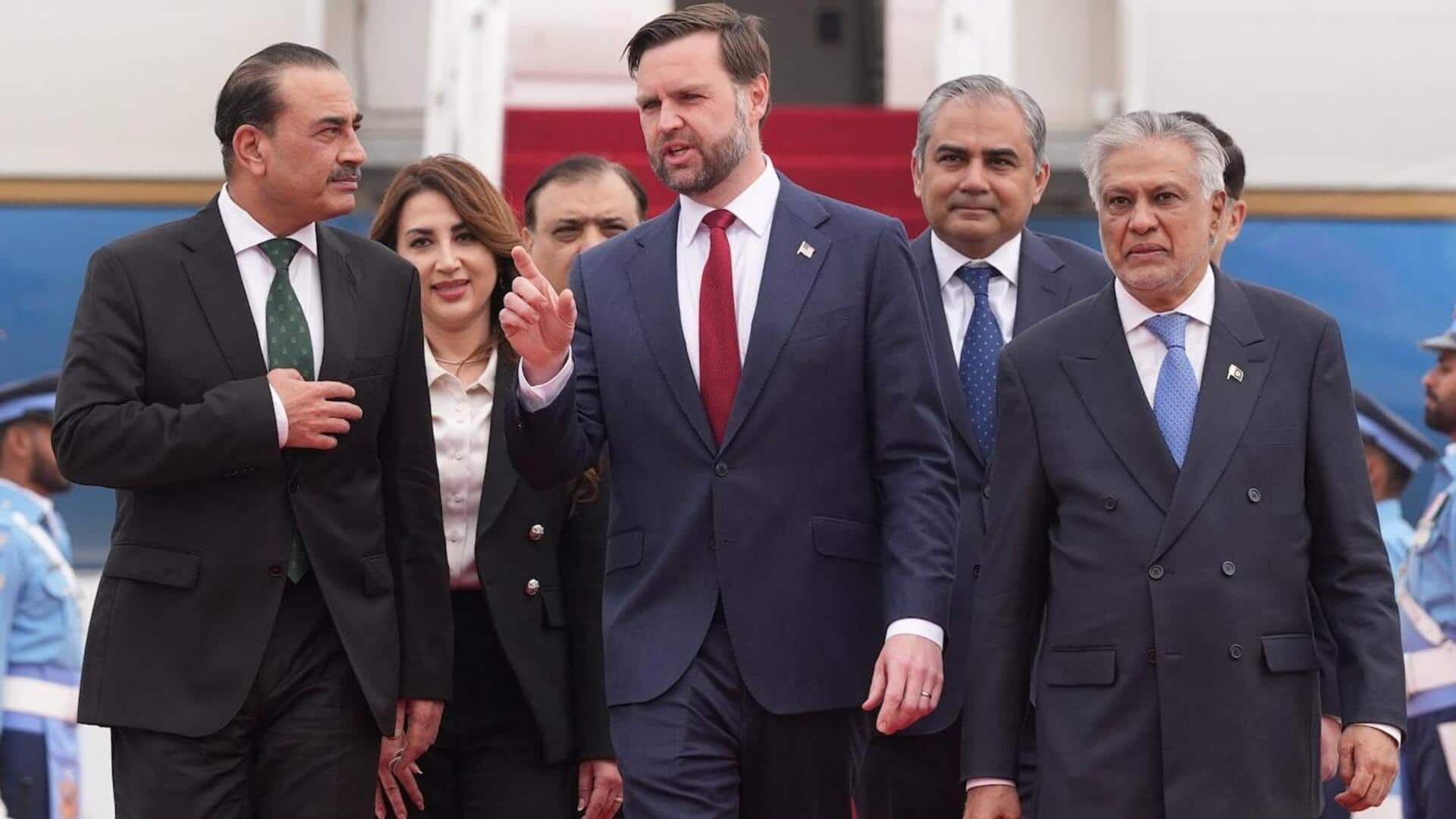
US expanded delegation
US VP JD Vance said the Iranian delegation couldn't finalize agreements as they had to refer decisions back to Tehran.
He told CNN, "That's ultimately why we left. The delegation couldn't close anything."
One of the most significant points of difference was Iran's nuclear program, with Vance saying, "We need to see an affirmative commitment that [Iran] will not seek a nuclear weapon, and they will not seek the tools that would enable them to quickly achieve a nuclear weapon."
Delegation size
Iran's preparation for negotiations
Iran's parliament speaker, Mohammad Bagher Ghalibaf, who led the Iranian delegation said although he and his colleagues had offered "constructive initiatives," the US had been "unable to gain the trust of the Iranian delegation in this round of negotiations."
He said it was now up to Washington "to decide whether it can gain our trust or not."
Neither Washington nor Tehran has stated what will happen after the 14-day ceasefire first agreed upon by the US, Iran, and Israel.