What are Iran's conditions for opening Hormuz
What's the story
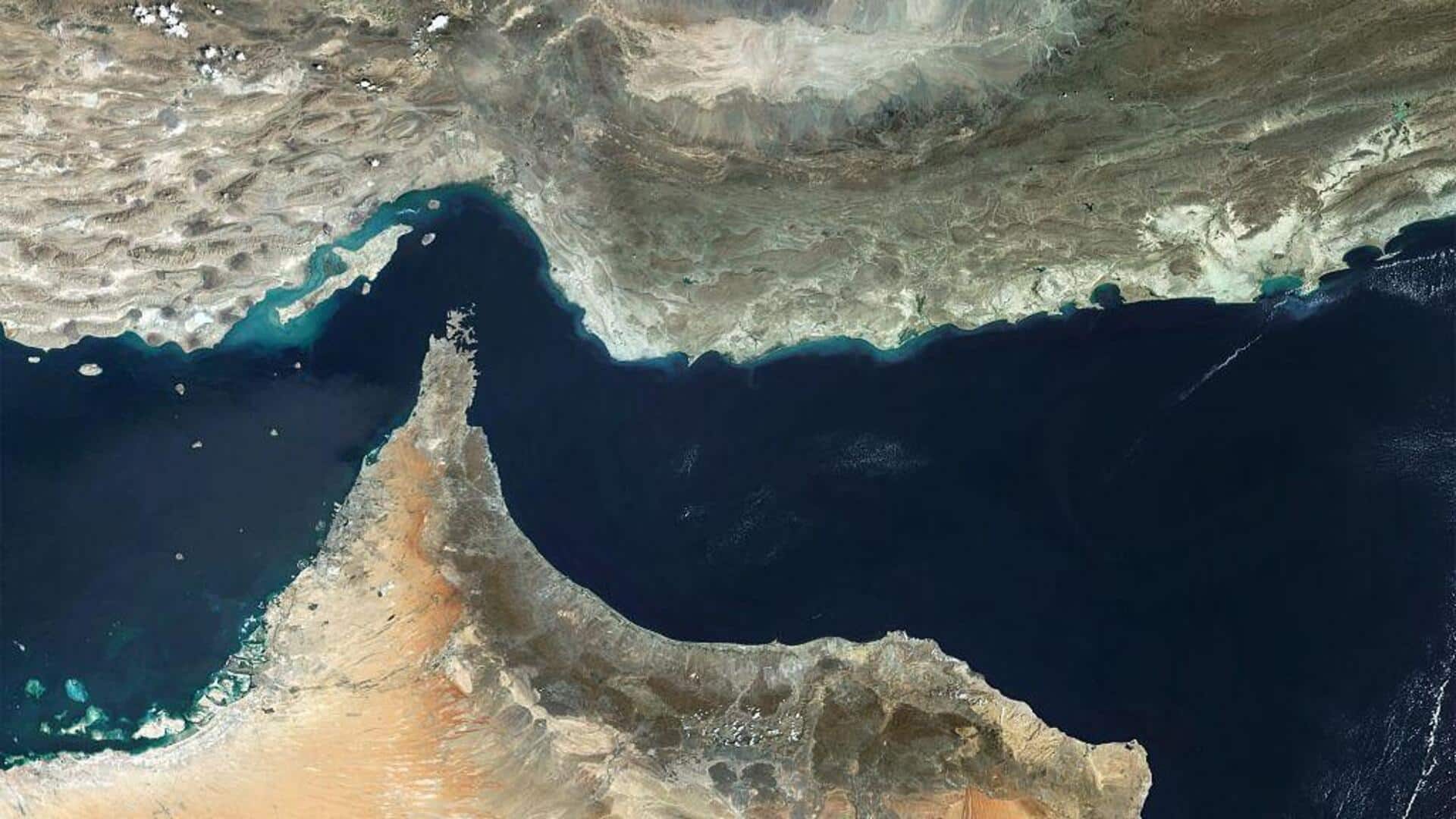
Iran will not allow more than 15 vessels per day to pass through the Strait of Hormuz under a two-week ceasefire with the United States, Russia's TASS news agency reported. "This movement is strictly contingent upon Iran's approval and the enforcement of a specific protocol. This new regulatory framework, operating under the supervision of the IRGC, has been officially communicated to regional parties. There will be no return to the pre-war status quo," the source said.
Ceasefire terms
Ceasefire agreement contingent on US meeting Iranian demands
The ceasefire agreement also comes with a set of financial conditions from Tehran.
These include the unfreezing of its blocked overseas assets within two weeks and a UN Security Council resolution formally recognizing the end of hostilities on Iran's terms.
"If the termination of the war is not codified into a UN Security Council resolution based on our stipulated terms, we are fully prepared to resume combat against the US and the Zionist regime," the source said.
Military presence
Iran warns US not to increase military presence
Iran has also demanded that Washington not increase its military presence in the region during the ceasefire.
On uranium enrichment, Iran said it is committed to the terms of an exchanged agreement.
The fragile truce is already under pressure over Lebanon, with Iran insisting any deal must include Lebanon while the US and Israel maintain it wasn't part of their agreement.
Maritime impact
Iran is demanding the right to toll ships
Reports suggest that Iran is planning to impose a $1-per-barrel toll on oil tankers passing through the Strait of Hormuz. The payment would be made in cryptocurrency.
President Donald Trump on Thursday demanded Iran stop charging tolls for tankers to cross, saying that was not part of the ceasefire agreement.
"Iran is doing a very poor job, dishonorable some would say, of allowing Oil to go through the Strait of Hormuz. That is not the agreement we have!"
Hormuz
Mojtaba announces new phase in Hormuz management
Iran's supreme leader Mojtaba Khamenei has said that the country will "bring the management of the Strait of Hormuz into a new stage" during negotiations with the US.
"We have not sought and do not seek war, but we will not give up on our legitimate rights, and to this end, we consider the entire resistance front as a unified whole," he said as massive crowds across Iran attended rallies and ceremonies to mourn former Supreme Leader Ali Khamenei.