Pakistan sends troops, jets to Saudi Arabia amid US-Iran conflict
What's the story
Pakistan has reportedly deployed 8,000 troops, a squadron of fighter jets, and an air defense system to Saudi Arabia. The move comes even as Islamabad positions itself as a mediator in the ongoing United States-Iran conflict. Notably, Pakistan has been accused of not being an unbiased intermediary in this dispute. It was previously alleged that it allowed Iranian planes to park at its airbase.
Strategic shift
Troops deployed after Saudi intercepted drones from Iraq
The deployment of Pakistani troops comes after Saudi Arabia intercepted three drones that entered its territory from Iraqi airspace.
Pakistan condemned the drone attacks and reaffirmed its "unwavering support" for Saudi Arabia's security and territorial integrity.
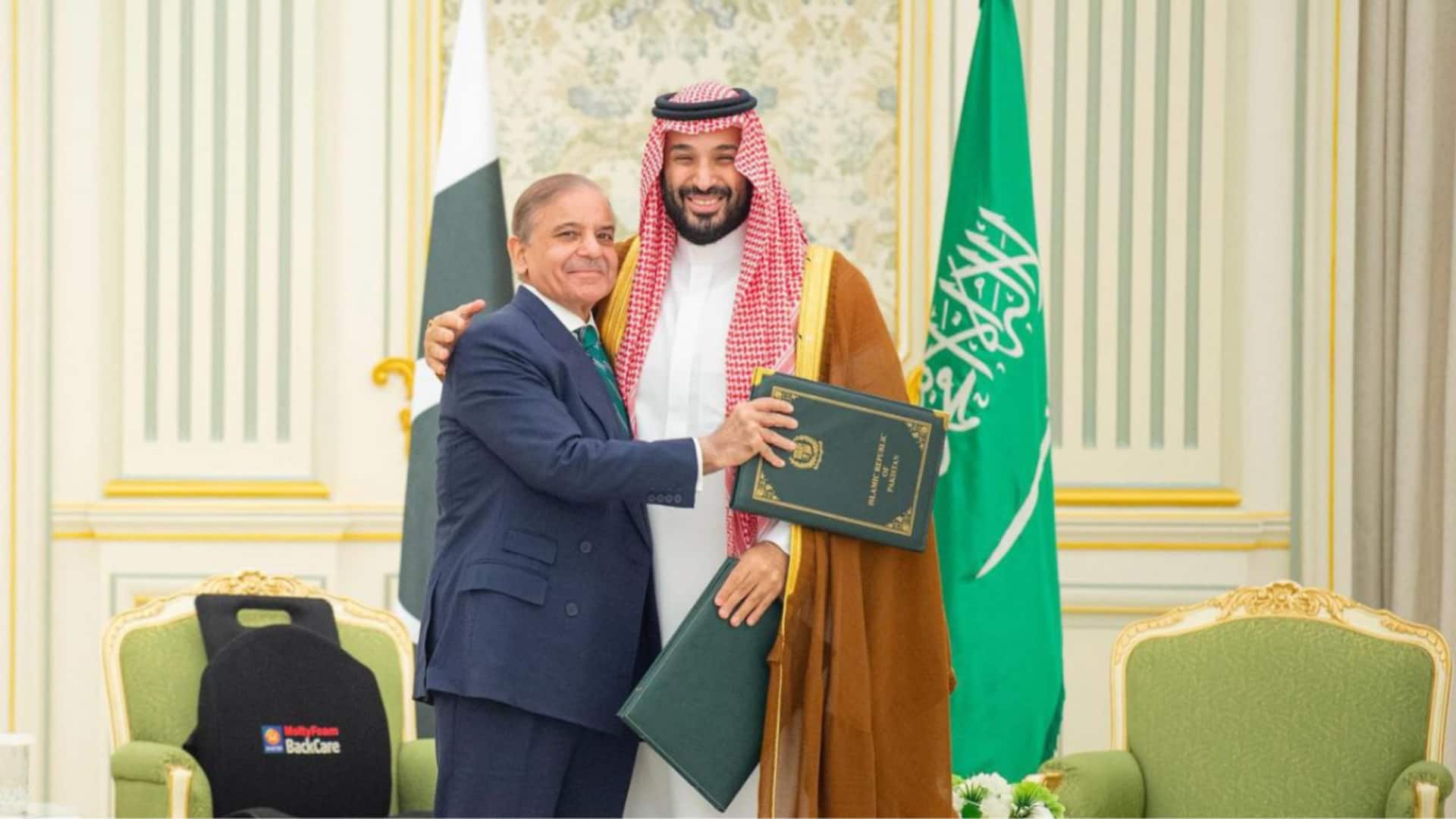
The move is congruent with a Strategic Mutual Defence Agreement that both countries signed last September.
This pact mandates mutual defense in case of an attack on either country.
Credibility concerns
Pakistan's neutrality in US-Iran talks questioned
However, the troop deployment raises questions about Pakistan's credibility as a mediator.
Islamabad has been facilitating peace talks between Washington and Tehran since late March.
Despite these efforts, peace proposals have yet to yield results.
The optics of sending troops to Saudi Arabia while mediating between Iran and the US at the same time could lead Tehran to question Pakistan's neutrality, potentially derailing ongoing peace talks.
Escalation fears
Experts warn of potential escalation in Gulf region
The large-scale troop deployment also raises concerns of escalation in the Gulf region, which is already tense with Iran's drone and missile attacks on its Gulf neighbors.
Experts believe that Tehran could view Pakistan's move as an escalation and increase its own attacks, jeopardizing the fragile ceasefire between the US and Iran.
The situation remains precarious, with US President Donald Trump delaying military action against Tehran on advice from Gulf allies.