Centre tightens ethanol-blending rules for OMCs
What's the story
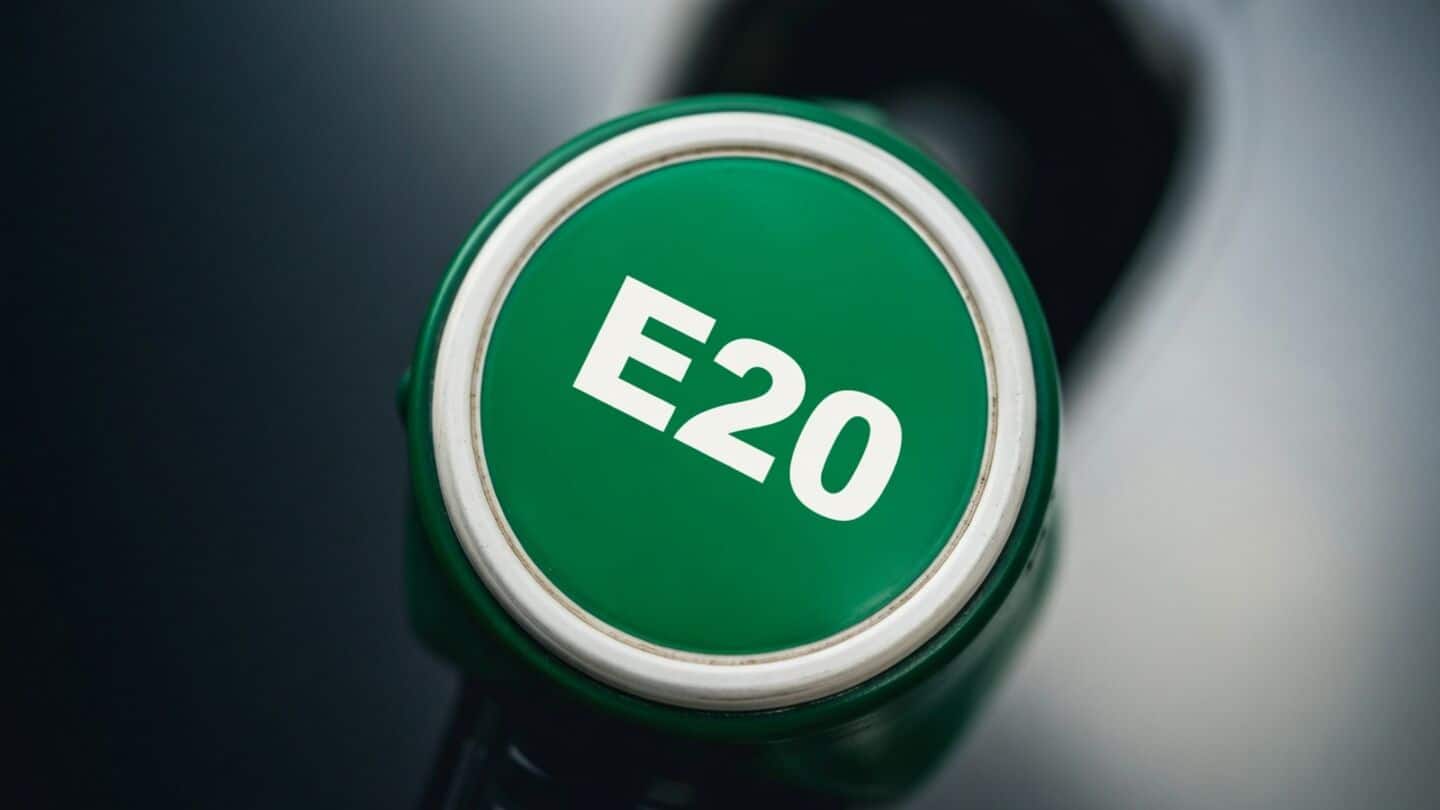
The Indian government is considering making it mandatory for oil marketing companies (OMCs) and others in the automotive fuel supply chain to adhere to a chloride contamination limit of less than 3 parts per million (ppm) in E20 petrol. The move comes amid concerns from automakers over fuel quality and its potential impact on vehicle components. Currently, these limits are only part of voluntary specifications for ethanol-blended petrol.
Regulatory action
BIS working on making contamination-related requirements compulsory
The Bureau of Indian Standards (BIS) is working to make these contamination-related requirements compulsory.
An official from the BIS said, "We want to make the limits for contaminants mandatory."
The move is aimed at ensuring better quality standards in automotive fuels across India.
The decision comes after automakers flagged cases of high chloride levels and excess moisture in E20 petrol supplied at fuel stations.
Quality issues
Contamination linked to vehicle part failures
Automakers have linked the contamination of E20 petrol with high chloride levels and excess moisture to an increase in failures of certain vehicle parts.
Fuel samples taken from vehicle tanks have, on some occasions, shown high chloride concentrations, raising concerns about quality.
The issue has gained prominence as policymakers and the industry consider the possibility of moving toward higher ethanol blends in the future.
Milestone
India achieves 20% ethanol blending in petrol ahead of schedule
Despite the quality concerns, India has achieved its target of blending 20% ethanol with petrol five years ahead of the original plan.
However, the new rules proposed by the government are likely to further improve fuel quality standards in India.