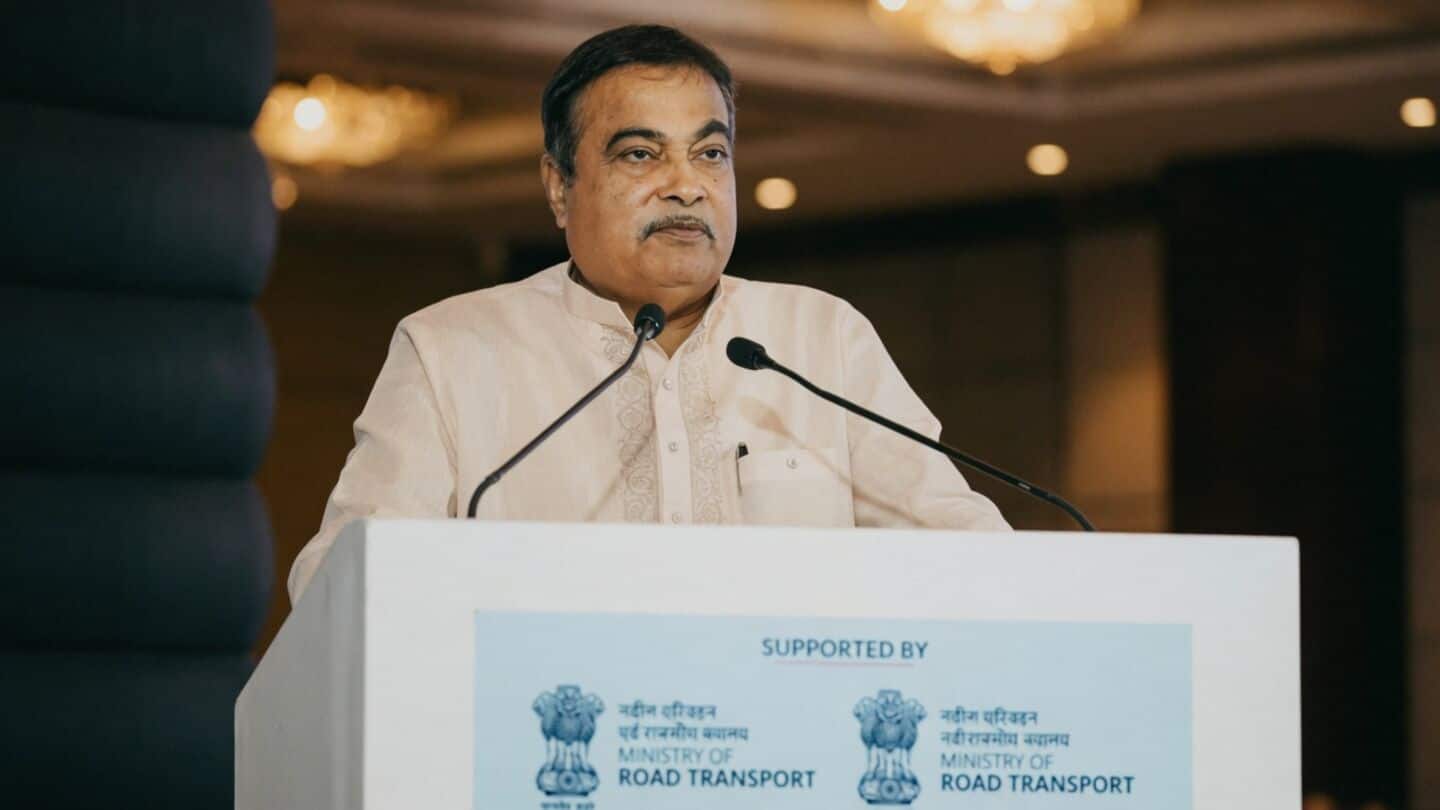
E20 petrol may affect rubber parts in BS-III vehicles: Gadkari
What's the story
Union Minister for Road Transport and Highways Nitin Gadkari has warned that E20 petrol may damage some rubber components and gaskets in older BS-III vehicles. These are models manufactured between April 1, 2005, and before 2016. The minister made this statement while answering a question from CPI MP A A Rahim in the Rajya Sabha on Wednesday.
Research findings
Studies assessed impact of E20 fuel on vehicles
The minister cited studies by Indian Oil Corporation Limited (IOCL), Indian Institute of Petroleum (IIP), Society of Indian Automobile Manufacturers (SIAM), and Automotive Research Association of India (ARAI).
These studies assessed the impact of E20 fuel on two- and four-wheelers.
Gadkari said that the tests found no major impact on vehicle performance from E20, including older vehicles.
Performance assessment
Gadkari's statement on legacy vehicle performance
Gadkari emphasized that these studies confirmed legacy vehicles did not show any significant variations in performance or abnormal wear-and-tear when operated with E20 fuel.
He said, "No issues were reported in parameters such as drivability, startability, metal compatibility, and plastic compatibility."
However, he acknowledged that some rubber parts and gaskets may require replacement in older BS-III vehicles introduced from April 1, 2005 to before 2016.
Servicing impact
Replacement of rubber parts and gaskets manageable during servicing: Gadkari
Gadkari assured that the replacement of these rubber parts and gaskets can be easily managed during the routine servicing regime of the vehicle.
This clarification comes after an ARAI study, which is yet to be made public, suggested that E20 fuel could affect rubber parts in vehicles designed for E10 petrol.
The government has also clarified that fuel efficiency depends on several operational and maintenance-related factors, not just the type of fuel used.