India may mandate isobutanol blending in diesel to cut emissions
What's the story
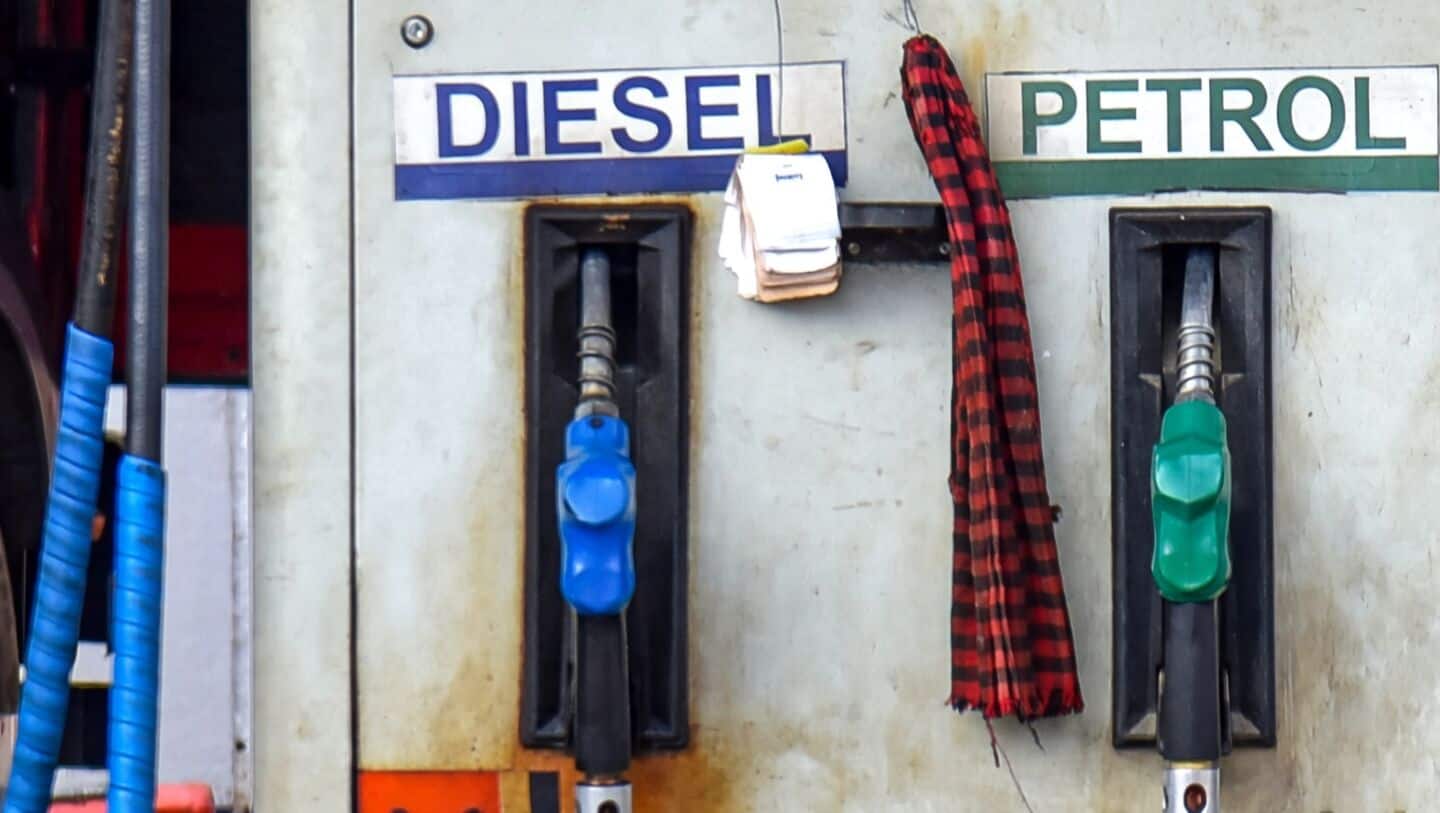
India is considering mandating the blending of isobutanol with diesel, a move aimed at reducing carbon emissions and enhancing energy security. The announcement was made by V Umashankar, Secretary of the Ministry of Road Transport and Highways, during a CII summit on Friday. He said that Bharat Petroleum has already started research on this blending process with promising results.
Impact assessment
Flex-fuel engines to be developed for 100% isobutanol use
Umashankar stressed the importance of diesel consumption, which is nearly double that of petrol.
He said, "So, blending diesel will have a far greater impact on our energy security than blending petrol."
The ministry has also asked the Automotive Research Association of India (ARAI) to study flex-fuel engines capable of running on up to 100% isobutanol as an alternative fuel for diesel.
Biofuel benefits
Isobutanol blending can significantly reduce pollution from diesel vehicles
Isobutanol, a biofuel derived from ethanol through fermentation, has a higher energy density than ethanol and is less corrosive. These properties make it an ideal candidate for diesel blending.
Initial tests indicate that isobutanol blending can significantly reduce pollution from diesel vehicles without affecting their performance.
The use of this biofuel may not require any major modifications to a vehicle's engine or exhaust system.
Regulatory changes
Ministry to issue draft notification for truck-trailers
Umashankar also revealed that the ministry will soon issue a draft notification for truck-trailers.
The move is aimed at supporting a new ecosystem for heavy-duty electric trucks, especially the infrastructure required for battery swapping and charging.
He explained that "tractor-trailer interchangeability" is being considered as an efficient alternative to long charging times or complex battery-swapping stations.
Green transport
Hydrogen-powered public buses launched in Delhi-NCR
On hydrogen logistics, Umashankar said the results have been promising with costs comparable to other forms of logistics travel.
He also announced that hydrogen-powered public buses have been recently launched on Delhi-Faridabad and Noida routes.
"Hydrogen refueling stations have already been set up under this scheme. These buses can travel 450km before needing a refuel," he added.
Toll innovation
MLFF tolling system to be introduced across India
The secretary also revealed plans to introduce a multi-lane free flow (MLFF) tolling system in the "forthcoming year."
The barrier-less system will eliminate the need for vehicles to stop or slow down at toll plazas.
"This (MLFF) has already been introduced in two toll plazas, and it's working very successfully," Umashankar said, adding that expansion plans are underway for all four-lane-plus toll plazas across India within the next year.