Australia delays world's first work-from-home law
What's the story
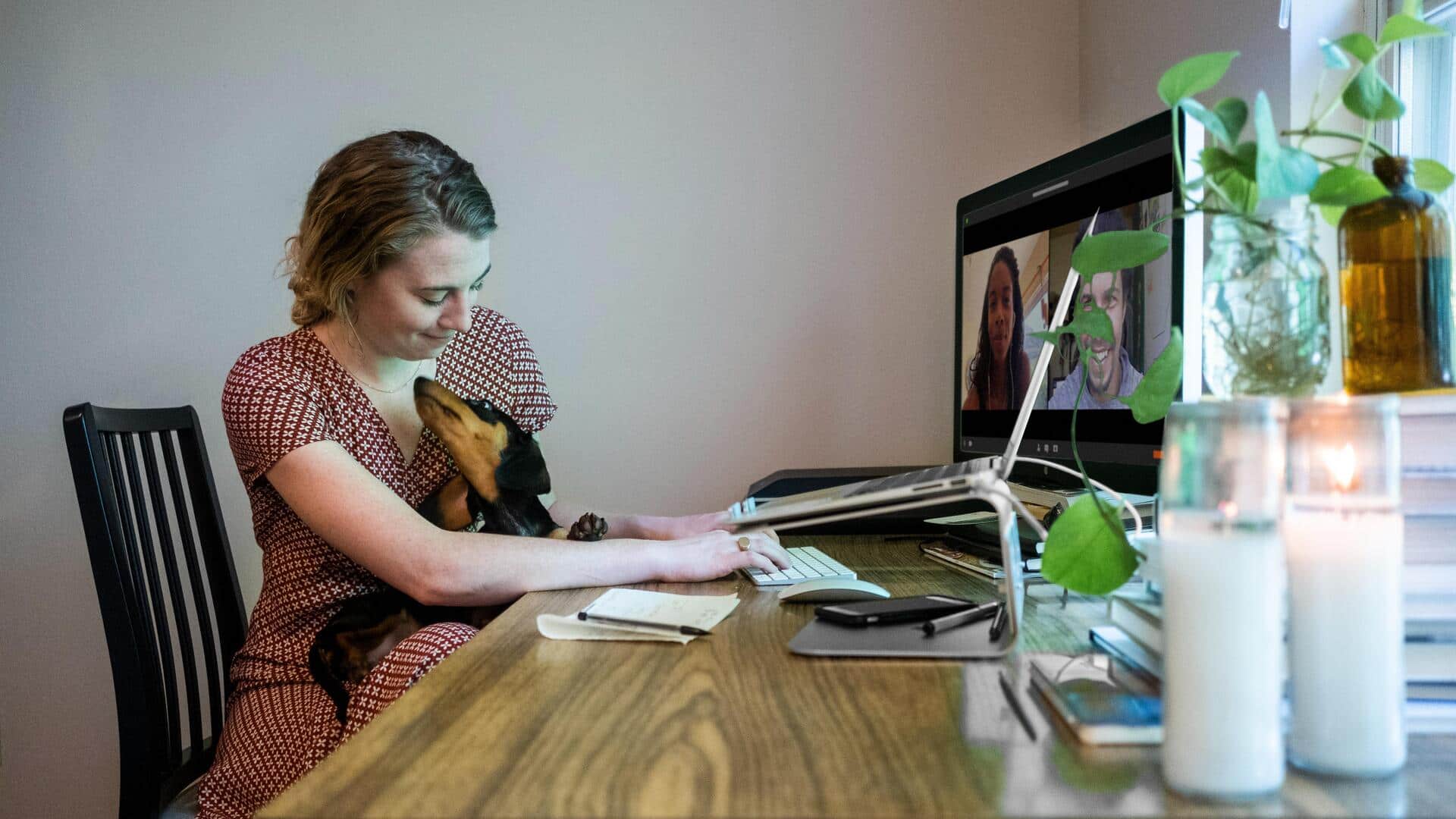
Australia's Victoria state has postponed the implementation of a landmark law that would have given eligible workers a legal right to work from home for two days a week. The legislation, which was set to come into effect on September 1, has now been pushed back to July 2027 due to strong opposition from business groups and concerns over costs and hiring.
Government response
Need for economic balance: Victoria Premier
Victoria Premier Ben Carroll announced the delay on Tuesday, just weeks ahead of the law's original implementation date.
He said that while he supports work from home and flexible work, there is a need to ensure economic balance between working families, business community, and government.
The government plans to continue consulting with the business community and intends to pass the legislation before November's state election.
Legislation details
World-first work-from-home law
The proposed law, introduced by former Labor Premier Jacinta Allan, sought to amend Victoria's Equal Opportunity Act.
It would have given eligible full-time, part-time, and regular casual employees whose jobs can be done remotely a legal right to work from home for two days a week.
The legislation was touted as a world-first move toward making flexible work a legal right instead of an employer's discretion.
Opposition voices
Business groups warn of rising costs, complicating workforce management
Business groups have raised concerns that making work-from-home rights a legal entitlement would increase regulatory costs and complicate workforce management.
The Victorian Chamber of Commerce and Industry warned the proposed rules could raise costs, affect hiring, and incentivize jobs and investment to shift to other Australian states.
A wider group of business organizations has called on the Victorian government to scrap the legislation altogether.
Political context
Change in leadership, state election ahead
The delay comes after a change in Victoria's leadership and ahead of a closely watched state election in November.
Carroll replaced Allan as premier last month and has tried to reset the Labor government's relationship with the business community.
Despite the challenges, he remains committed to flexible work and plans to keep the legislation while allowing more time for consultations with businesses.
Economic impact
Melbourne's office vacancy rate highest among Australia's capital cities
The debate over the work-from-home law is especially important for Melbourne, which has struggled to bring employees back to offices after the COVID-19 pandemic.
The city now has the highest office vacancy rate among Australia's leading cities.
Business groups have argued that a legal right to work from home could further decrease demand for office space and hurt businesses dependent on workers returning to Melbourne.