India halves foreign aid to Bangladesh amid rising anti-Hindu violence
What's the story
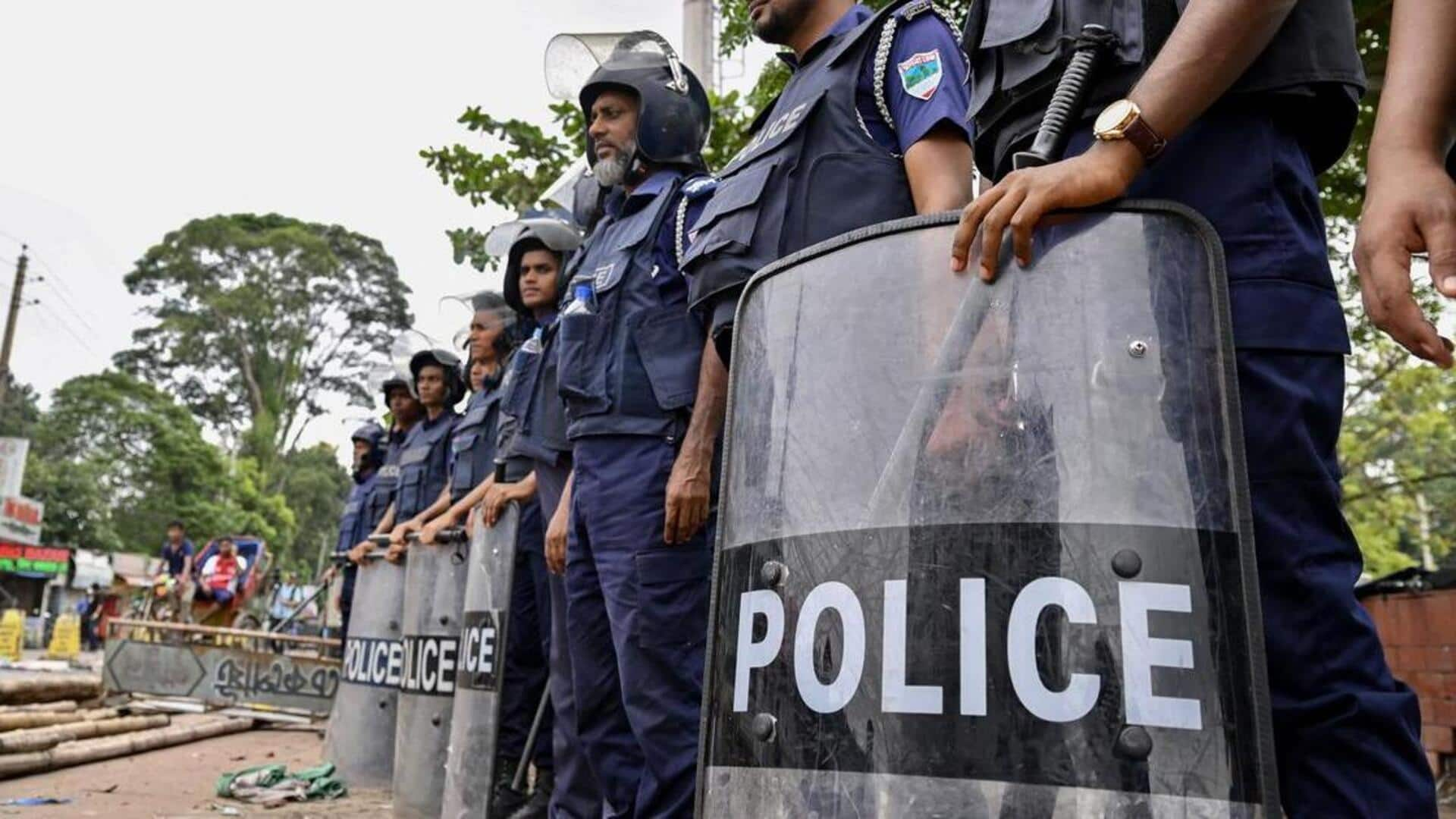
India has slashed its foreign aid to Bangladesh by 50%, reducing the allocation from ₹120 crore to ₹60 crore. The move comes as part of a broader revision of India's overseas development assistance in the Union Budget for 2026-27. The decision is seen as a reflection of deteriorating bilateral relations, especially in light of reports about increasing anti-Hindu violence and killings in Bangladesh.
Aid distribution
Aid to other neighbors remains unaffected
Unlike with Bangladesh, India has maintained or even increased its assistance to most other neighboring countries.
Bhutan continues to be the biggest recipient of Indian aid, with an increase of about 6% in its allocation.
Nepal's aid has also been raised by 14%, while Sri Lanka's assistance has gone up by about one-third.
The funds earmarked for "Aid to Countries" have been increased to ₹5,686 crore. This is approximately 4% higher than the previous year's Budget Estimates of ₹5,483 crore.
Project suspension
Funding for Chabahar port project stopped
In a major budgetary shift, India has also stopped funding for the Chabahar port project.
The decision comes despite a 10-year agreement signed in 2024 to operate the Shahid Beheshti terminal at Chabahar.
The halt in funding comes amid increased external pressure on India's engagement with Iran after US President Donald Trump's announcement of a 25% tariff on countries trading with Tehran.
Regional support
Mixed bag for Indian Ocean region
In the Indian Ocean region, aid allocations have differed.
Maldives's allocation has been cut by about 8% to ₹550 crore, while Mauritius's has been increased by a similar margin.
Aid to Afghanistan remains unchanged at ₹150 crore for humanitarian support, but Myanmar's allocation has been slashed by around 14% amid political instability and implementation challenges.