Jan Vishwas Bill 2026 to amend 80 laws across sectors
What's the story
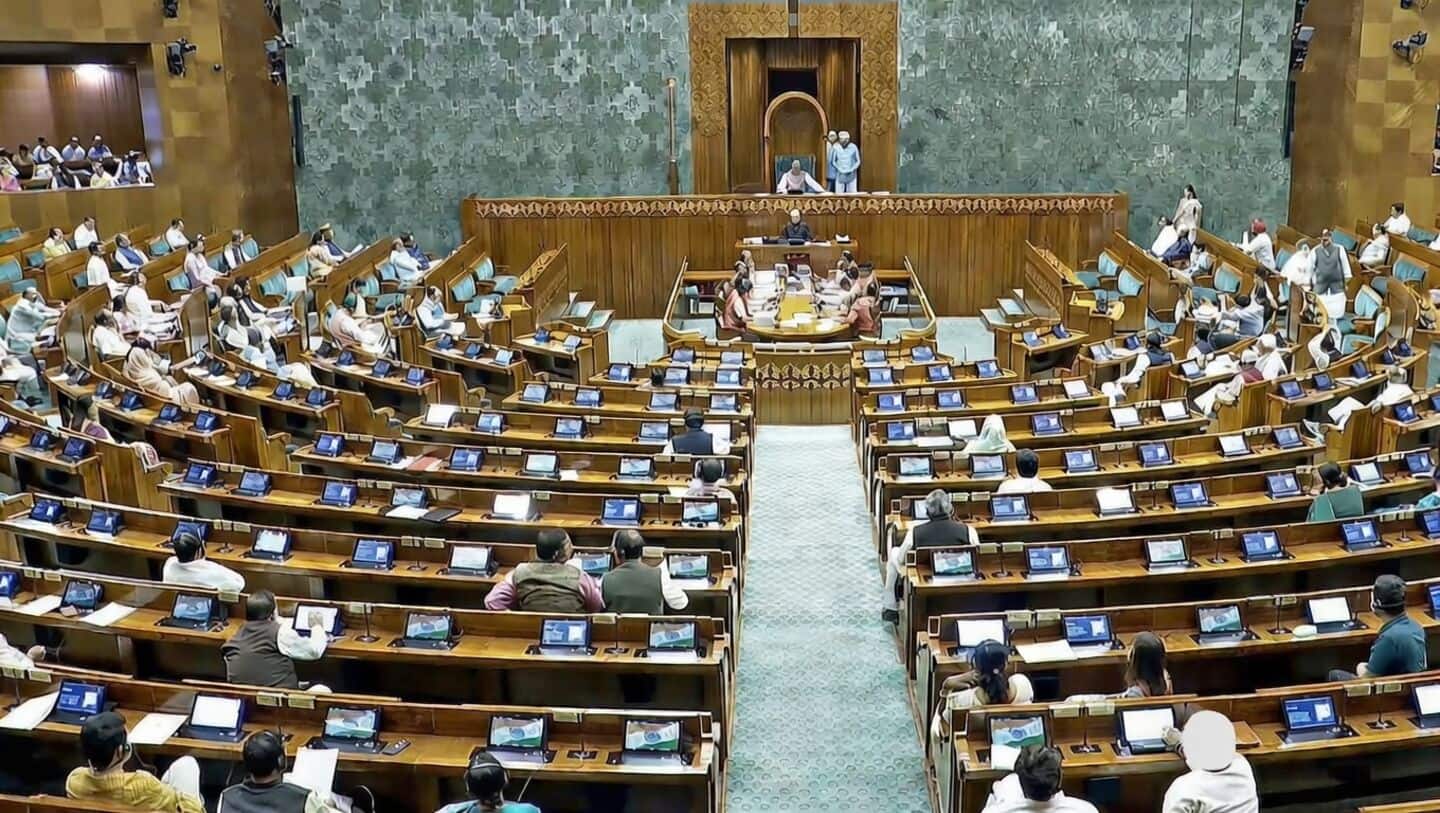
The Indian government has introduced the Jan Vishwas (Amendment of Provisions) Bill, 2026, in the Lok Sabha. The bill seeks to amend nearly 80 existing laws, including the Indian Ports Act and Merchant Shipping Act (both introduced in 2025), Motor Vehicles Act of 1988, Delhi Police Act of 1978, and Delhi Municipal Corporation Act of 1957. The changes were recommended by a House Select Committee after reviewing an earlier version of this bill introduced last August.
Decriminalization focus
Bill seeks decriminalization, Motor Vehicles amendments
The Jan Vishwas Bill 2026 seeks to decriminalize several offenses across various enactments.
It also proposes amendments to 20 additional provisions of the Motor Vehicles Act, 1988, and 47 provisions of the New Delhi Municipal Council Act, 1994.
The goal is to make life easier for citizens by saving time and costs associated with legal processes.
Penalty adjustments
Bill proposes 10% fine increases triennially
The Jan Vishwas Bill 2026 also proposes an automatic 10% increase in fines and penalties every three years. This would keep them relevant without needing new legislative changes.
The bill retains key provisions from its previous August 2025 version, including higher penalties for not keeping dogs on leashes in public, a grace period of up to 30 days after license expiry, and relaxed vehicle registration rules under the Motor Vehicles Act.
Bill exclusions
Bill leaves MSME Act 2006 unchanged
The Jan Vishwas Bill 2026 does not amend the MSME Development Act, 2006. It also excludes certain provisions that were part of the earlier August 2025 bill.
However, it proposes amendments to other laws such as the Legal Metrology Act.
The Select Committee examined these changes and submitted its report to Lok Sabha on March 13.
Legislative evolution
Sequel to Jan Vishwas Act 2023
The Jan Vishwas Bill 2026 is a sequel to the Jan Vishwas (Amendment of Provisions) Act, 2023.
The earlier act decriminalized 183 provisions in 42 central acts administered by 19 ministries/departments.
This new bill seeks to build on that success and further simplify legal processes for businesses and citizens alike.