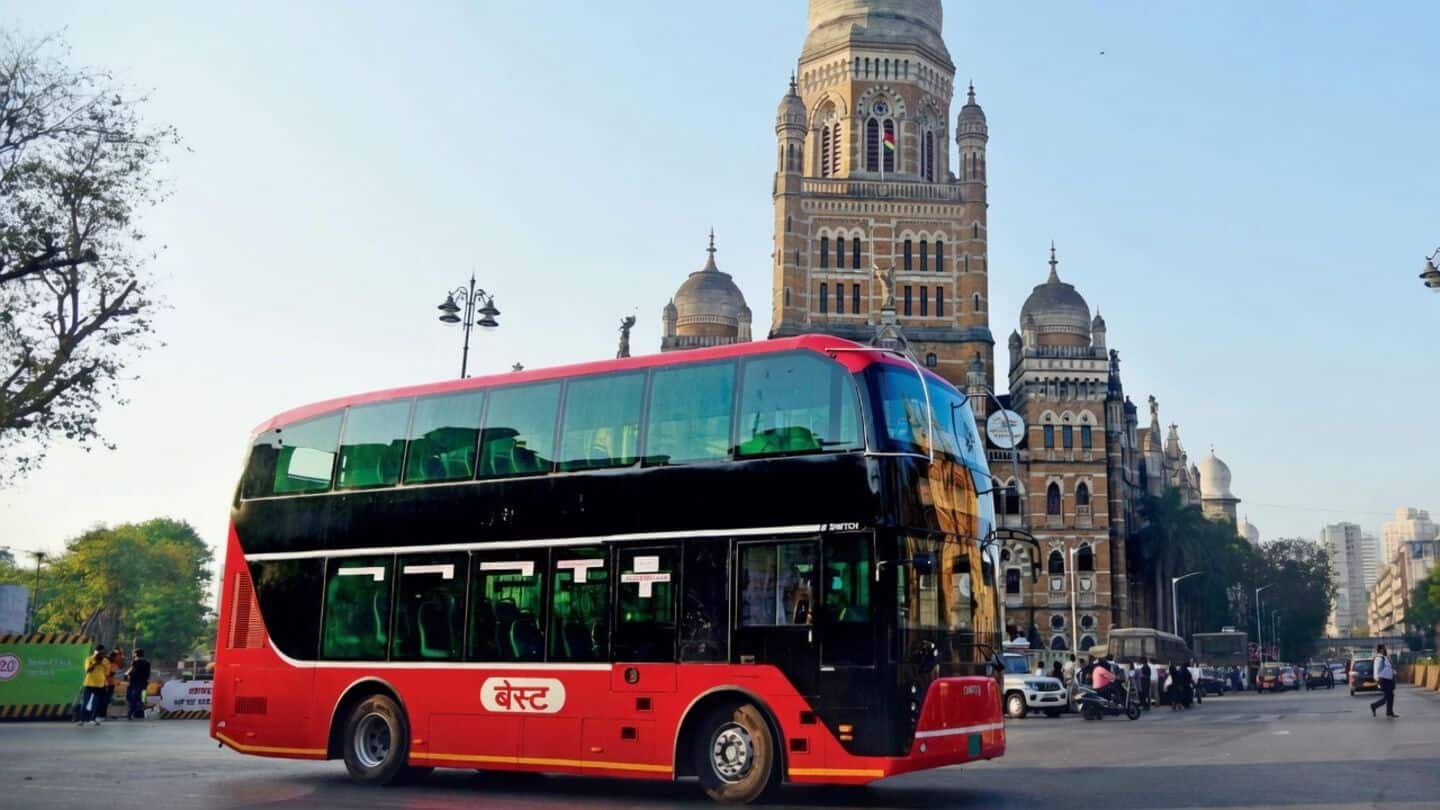
Centre plans ₹20,000cr EV incentive scheme for private buses
What's the story
The Indian government is planning a new incentive scheme to promote the adoption of electric busses (e-busses) by private operators. The move comes as part of a broader strategy to reduce dependence on imported fossil fuels and create a more sustainable public transport system. The proposed "private e-bus de-risking" framework will make the transition to e-busses less financially risky for private fleet operators.
Financial relief
Scheme primarily aimed at private bus operators
The five-year scheme, with a budget of up to ₹20,000 crore, seeks to provide affordable financing and operational support.
It is primarily aimed at private bus operators who own nearly 87% of India's total bus fleet.
The plan is an extension of existing incentives for State Road Transport Undertakings (SRTUs) and is designed to make the transition from conventional busses to e-busses easier for these operators.
Incentive details
Financing measures being considered for the scheme
The proposed scheme will include a two-pronged incentive package of financing and administrative support.
Financing measures such as interest subvention, viability gap funding, and other mechanisms are being considered to provide affordable credit for private fleet operators.
The government may launch the scheme with an initial allocation and provide additional funds later if needed.
However, charging infrastructure is unlikely to be covered under this scheme as separate government support is already available for it.
Policy alignment
NITI Aayog report highlighted financing challenges for e-buses
The proposed de-risking framework is in line with NITI Aayog's report, "Unlocking a $200 billion Opportunity: Electric Vehicles in India."
The report highlighted financing challenges for electric busses and trucks as a major policy issue.
It recommended creating "a blended finance mechanism to reduce cost of capital" for these vehicles and suggested establishing "a pooled fund with contributions from the public budget and multilateral development banks" to provide lower-interest loans for procuring electric busses and trucks.