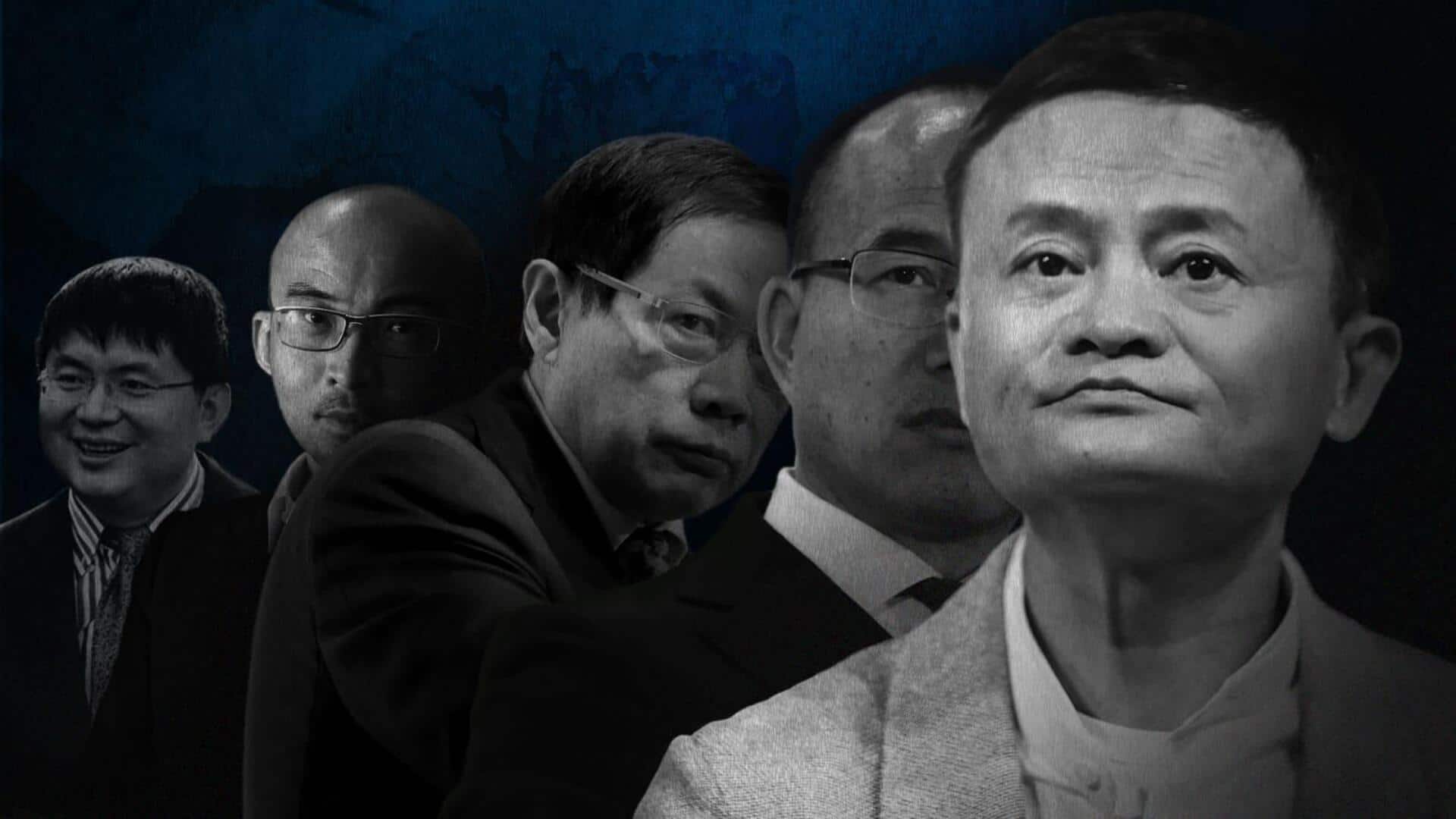
China's 20% offshore trust tax puts billionaires on alert
What's the story
China is tightening its tax net around wealthy individuals, offshore trusts, and overseas investments. The move comes as part of a broader effort to find more reliable sources of revenue and enforce rules that have been loosely applied in the past. The campaign has gained momentum in 2026, with tax authorities stepping up scrutiny of wealthy taxpayers and seeking back taxes from companies and individuals.
Regulatory changes
New rules for taxing offshore trusts
In July, Chinese authorities introduced new rules for taxing offshore trusts held by Chinese tax residents.
The framework imposes a 20% tax on relevant gains from transfers of shares, property, and other assets into these trusts.
Income generated by the trusts and their offshore entities can also be taxed at the same rate.
The rules cover certain unpaid taxes dating back to January 2023, with taxpayers given a 90-day window to report and settle liabilities without additional late-payment charges.
Wealth management
Impact on wealthy individuals
Offshore trusts have been a popular tool among wealthy Chinese families for asset management, succession planning, and investments outside mainland China.
However, the new tax rules are making some rich investors rethink or even dismantle these structures.
This is especially true in light of China's fiscal pressure due to a property downturn that has significantly reduced local governments' revenue from land sales.
Revenue strategy
Shift in tax authorities' approach
The tax campaign is part of Beijing's efforts to improve tax collection and make revenue more dependable.
Authorities have also improved their ability to identify overseas assets through information-sharing arrangements under the Common Reporting Standard and the country's tax administration systems.
This has led to a shift from a system where some overseas income was not actively pursued to one where tax authorities are increasingly asking residents to account for it.
Financial impact
Potential risks to Hong Kong-listed Chinese stocks
The new tax rules have raised liquidity concerns for wealthy individuals. They may have hundreds of millions of dollars in shares, property, or other assets but not enough cash readily available to pay a big tax bill.
This could force some investors to sell shares or borrow against their assets.
Bank of America has warned that the tax campaign could create short-term risks for individual Hong Kong-listed Chinese stocks if major shareholders need to raise cash to meet tax obligations.
Broader reach
Broader implications of the tax campaign
The tax enforcement drive is increasingly targeting other forms of overseas wealth.
Tax offices in cities like Beijing and Hangzhou have started enforcing taxes on income from offshore insurance policies.
Analysts have suggested that the campaign could eventually extend to other forms of overseas income, making it a broader issue than just a small group of billionaires.