Why domestic air traffic in India is going down
What's the story
India's domestic aviation sector has seen a decline in passenger traffic, with only 13.8 million travelers in April 2026. This marks a decrease of over 3% from the same month last year and is the lowest monthly count for this year. The decline erased gains made in January and February, leaving air traffic largely unchanged compared to last year. So, what's the reason behind the decline? Let's find out.
Market dynamics
Airline performance in April
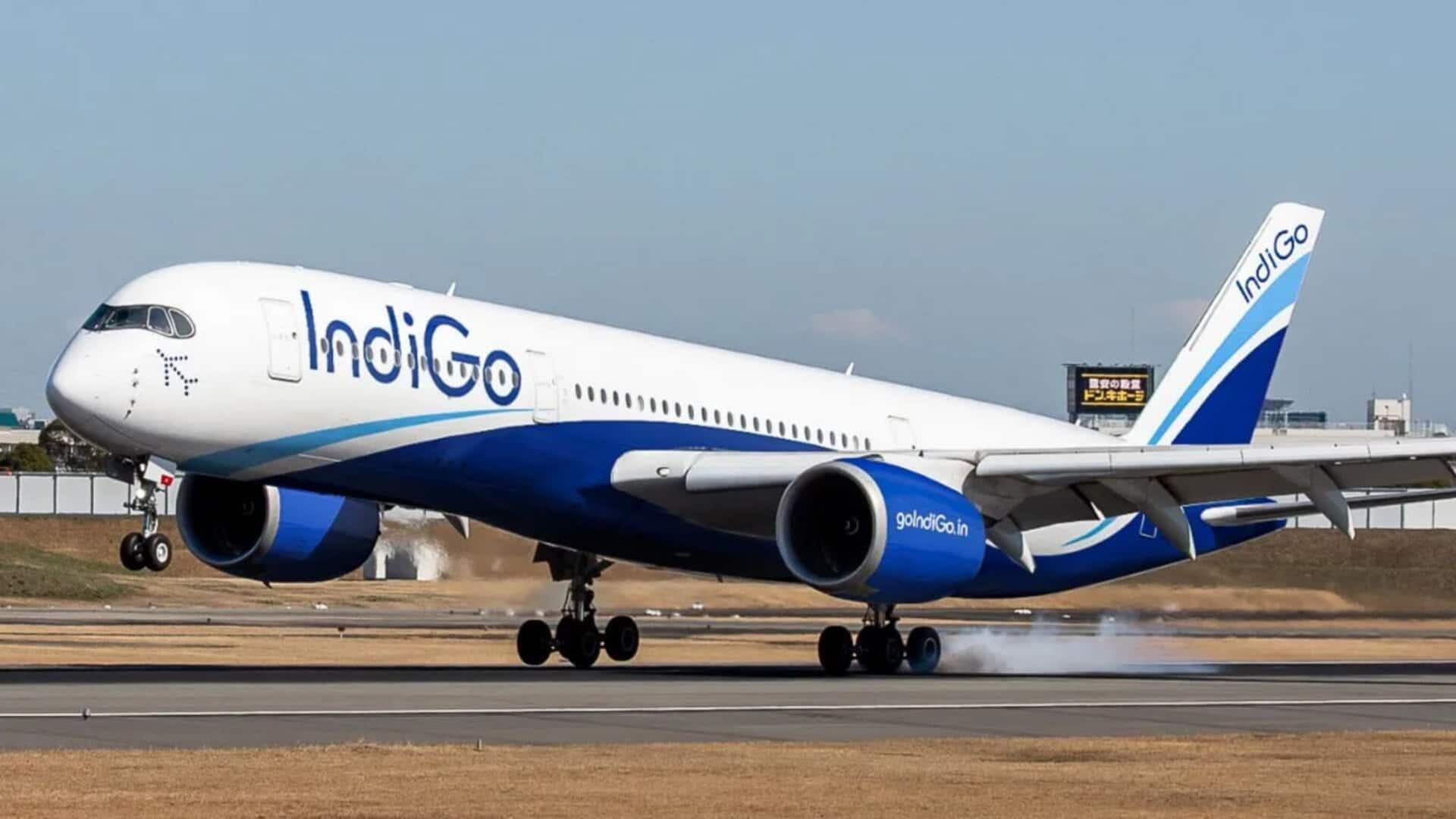
Despite the overall decline in passenger traffic, IndiGo gained market share, reaching 65% in April.
Meanwhile, the Air India Group's market share fell to 24.7%, while Akasa Air emerged as India's third-largest carrier with a 5.8% market share.
SpiceJet's performance suffered as its on-time performance dropped to just 31.2%, with over 12% of flights delayed by more than two hours.
Cancellations rise
Impact of economic conditions on travel
The current economic pressures and uncertainties have led to passenger cancellations during what is usually a peak travel season.
This has also affected international travel, with Indian carriers operating 37.2% fewer flights in April 2026 compared to the previous year.
The decline in international traffic further impacted domestic flights as many travelers connect through them for their final destinations within India.
Load factor
Load factors and passenger behavior
Historically, load factors tend to increase from March to April. However, this year saw a decline for major airlines such as Air India, IndiGo, SpiceJet and Fly91.
Akasa Air was the only major airline to record an increase in load factor during this period.
Passengers are also becoming more cautious about travel due to job impact fears from AI advancements in service industries like IT.
Industry resilience
Industry outlook for the rest of the year
The Indian aviation industry has been resilient in the past, carrying more passengers even during tough times like Jet Airways's collapse.
However, the first four months of 2026 have only matched traffic levels of 2025.
The industry's performance for the rest of the year will depend on geopolitical developments and economic conditions, particularly in West Asia.