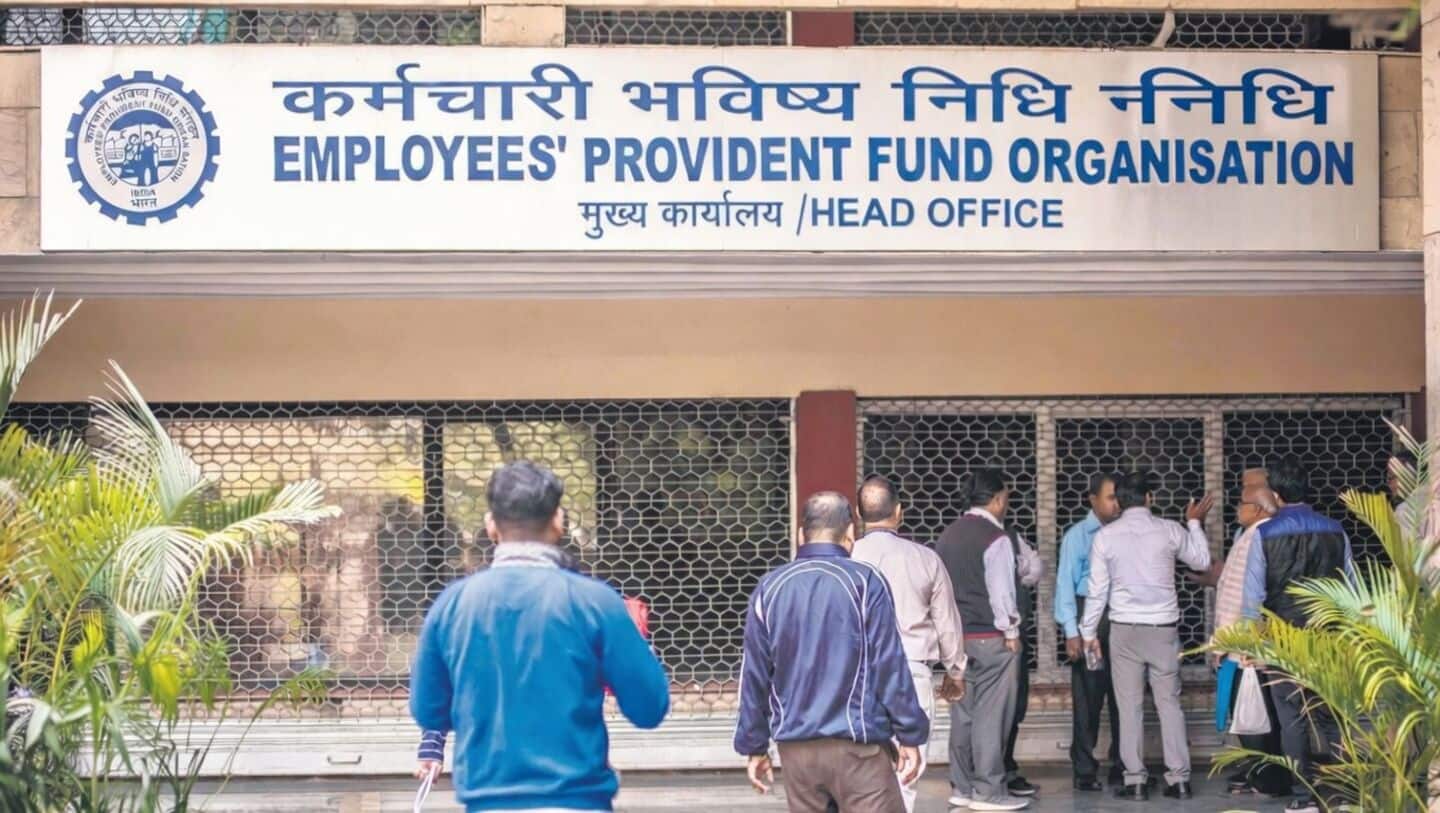
EPFO deadline alert: File ECR, pay dues by May 15
What's the story
The Employees' Provident Fund Organisation (EPFO) has urged employers to submit the Electronic Challan-cum-Return (ECR) for April 2026 and deposit their Employees' Provident Fund (EPF) and Employees' Pension Scheme (EPS) contributions by May 15, 2026. The deadline is crucial for ensuring timely credit of provident fund dues to employees and avoiding compliance-related action. Delays in filing or payment can lead to interest charges, penalties, and operational issues related to statutory compliance.
ECR importance
What is the ECR filing process?
The Electronic Challan-cum-Return (ECR) is a monthly system where employers upload employee-wise salary, payments, and provident fund contribution details on the EPFO portal.
Once validated, employers generate a challan and complete the payment process online.
This filing is critical as it determines EPF, EPS, and EDLI benefits based on data uploaded through the ECR submission system.
Any errors or delays in filing can affect employees' PF balances, pension contributions, transfer requests, and even fund withdrawals.
Compliance consequences
What are the penalties for late submissions?
As per EPFO guidelines, provident fund contributions for a particular wage month should generally be deposited by the 15th of the following month.
Employers who miss this deadline may face penalties and interest liabilities as detailed in the EPF Act.
To reduce errors and discrepancies, EPFO has been modernizing the ECR system to minimize disputes and facilitate amicable resolution.
Filing guidelines
Key takeaways for employers
Employers must note that the ECR and EPF/EPS dues for the April 2026 wage month should be submitted by May 15.
The ECR filing includes clear employee-wise wage and PF contribution details.
Late filings can result in serious remedial measures, penalties, interest charges, and compliance-related complications.
It is critical for both employers and employees to understand these rules to ensure better compliance with EPFO guidelines.