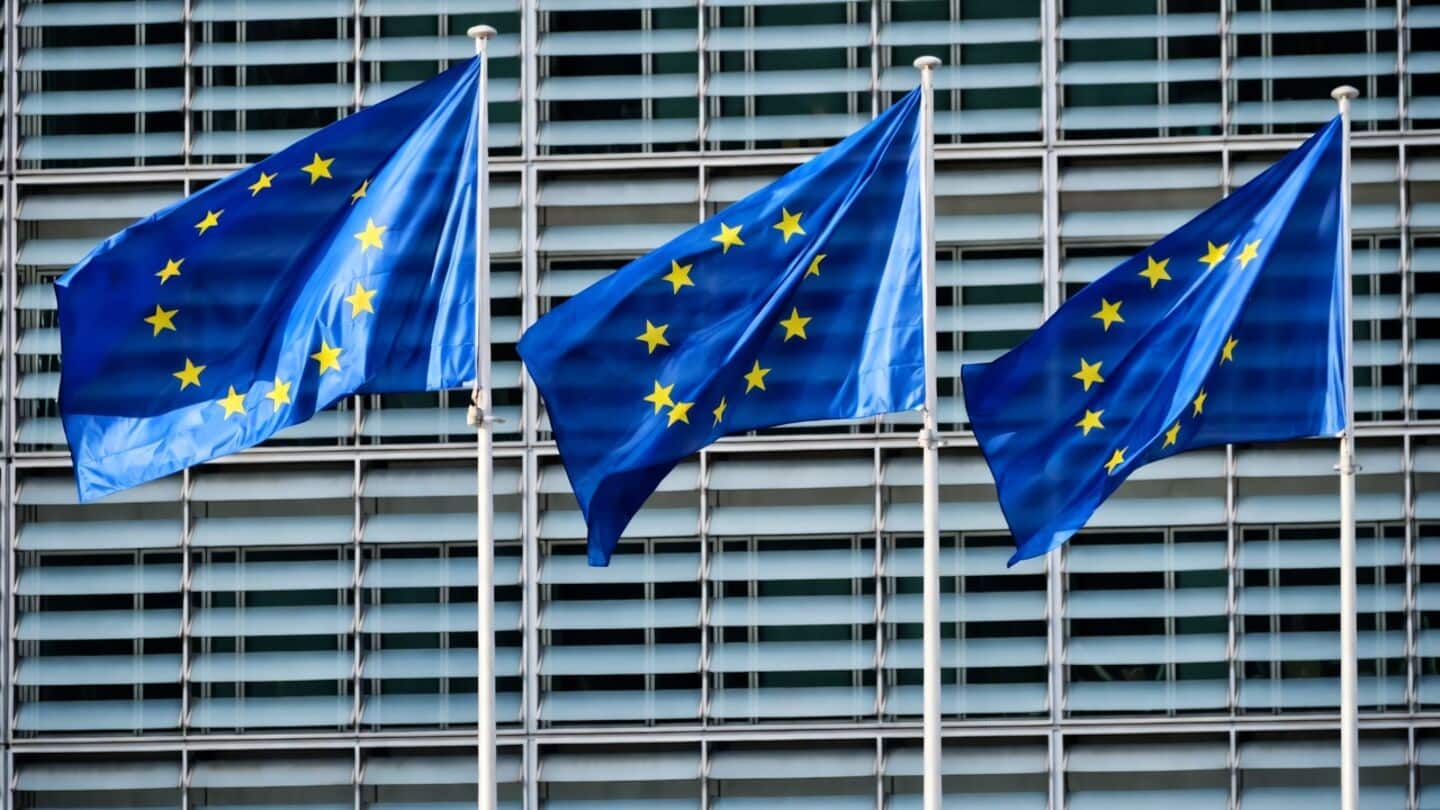
EU approves tariff measures to implement trade deal with US
What's the story
The European Union (EU) has approved two regulations to implement tariff commitments under the EU-US Joint Statement of August 21, 2025. The move marks a major step in a transatlantic trade agreement. The Council's approval eliminates remaining EU customs duties on US industrial goods and provides preferential access for certain US seafood and non-sensitive agricultural products through tariff rate quotas and reduced tariffs.
Trade dynamics
EU extends lobster import duty suspension
The regulations also extend the suspension of duties on lobster imports, including processed lobster, from all countries on a most-favored-nation basis.
Cyprus's Minister of Energy, Commerce and Industry, Michael Damianos, stressed the bloc's commitment to a strong transatlantic partnership with its historic ally while ensuring European interests are safeguarded.
He said these measures support stable trade flows with the US while allowing swift responses if the deal is violated.
Protection measures
Regulations include safeguard measures for economic security
The regulations come with enhanced safeguard mechanisms, letting the European Commission act swiftly against import surges that could harm EU operators.
These safeguards show Europe's desire to protect domestic industries from sudden import spikes, especially as major economies focus more on economic security and strategic supply chains.
The regulations also give the EU power to withdraw tariff preferences if the US doesn't meet its commitments or disrupts balanced trade relations through discriminatory measures.
Trade balance
Transatlantic trade relationship in numbers
The regulations will take effect the day after their publication in the Official Journal. The main regulation will remain in force until the end of 2029, with a comprehensive impact assessment due by June 30, 2029.
The lobster regulation is retroactive from August 1, 2025, to July 31, 2030.
The EU-US economic relationship is the world's largest bilateral trade and investment partnership, accounting for nearly 30% of global trade in goods and services and 43% of global GDP.