How Iran conflict threatens India's oil, trade, and energy supplies
What's the story
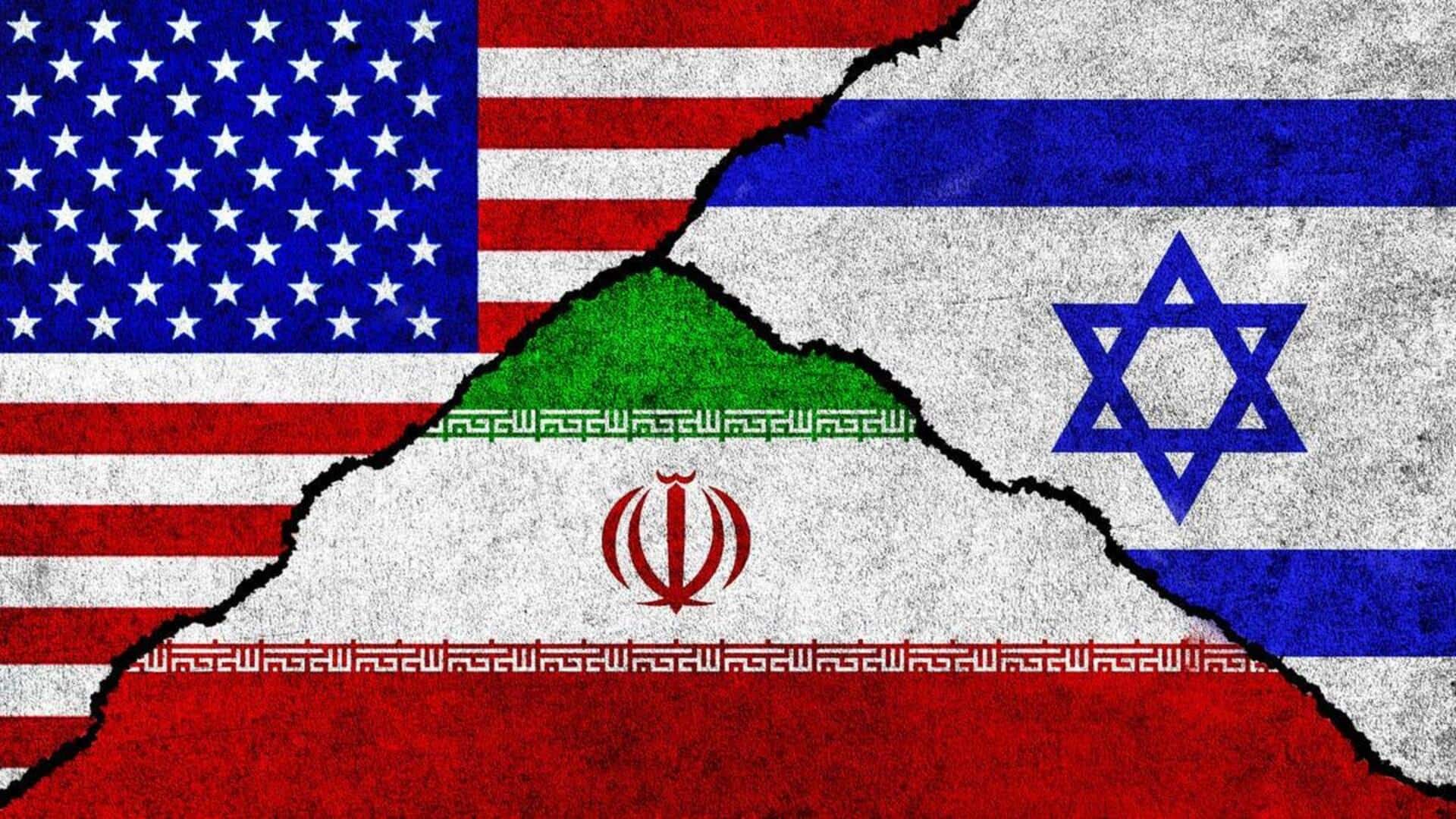
The ongoing conflict between the US and Israel against Iran has raised new geopolitical challenges with global energy market ramifications. The situation is being closely monitored by India, which maintains a delicate balance between its strategic partnership with Israel and historical ties with Iran. A major concern for India is the potential disruption of oil and gas supplies through the Strait of Hormuz, a key maritime route that carries nearly 20-25% of global crude oil supply.
Trade route
Modi emphasizes civilian safety in talks with Netanyahu
The Strait of Hormuz is a lifeline for South Asia's major economies, including India, China, Japan, and South Korea. Nearly 40% of their crude oil consumption passes through this route.
Prime Minister Narendra Modi emphasized civilian safety in talks with Israeli PM Benjamin Netanyahu after US-Israel strikes killed Iran's Supreme Leader Ayatollah Ali Khamenei.
Security meeting
India assesses conflict's impact on economy
PM Modi chaired a Cabinet Committee on Security (CCS) meeting to assess the evolving situation.
The meeting highlighted New Delhi's growing concern over Indian expatriates' safety, travel disruptions, and the wider geopolitical and economic implications of the conflict.
India's Director General of Shipping has advised against deploying Indian crews in Iran due to heightened risks.
Oil dependency
Rising crude prices could worsen India's import bill
India is heavily dependent on crude oil imports, with nearly 90% of its requirements coming from countries like Kuwait, Saudi Arabia, Iraq, and the UAE.
About 2.5-2.7 million barrels per day transit through the Strait of Hormuz.
Analysts predict that if Iran's production is disrupted, crude prices could rise by 9-15%, impacting India's annual import bill and current account deficit.
Trade impact
Iran is a key market for Indian basmati rice exporters
The conflict could also affect India's basmati rice and tea exports.
Iran accounts for about 25% of India's basmati rice exports, while Iraq accounts for another 20%.
Together, they account for over 2 million tons of exports worth more than $2 billion annually.
In the last fiscal year alone, India exported $1.2 billion worth of basmati rice to Iran.
Trade relations
Prolonged instability could disrupt supply chains, bilateral commerce
India's trade with Middle Eastern countries, including Iran, Bahrain, Kuwait, Qatar, and the UAE, is worth $117.32 billion. The UAE alone accounts for nearly $100 billion of that.
The 2022 India-UAE Comprehensive Economic Partnership Agreement (CEPA) had strengthened trade ties.
However, prolonged instability could disrupt supply chains and bilateral commerce in these regions.