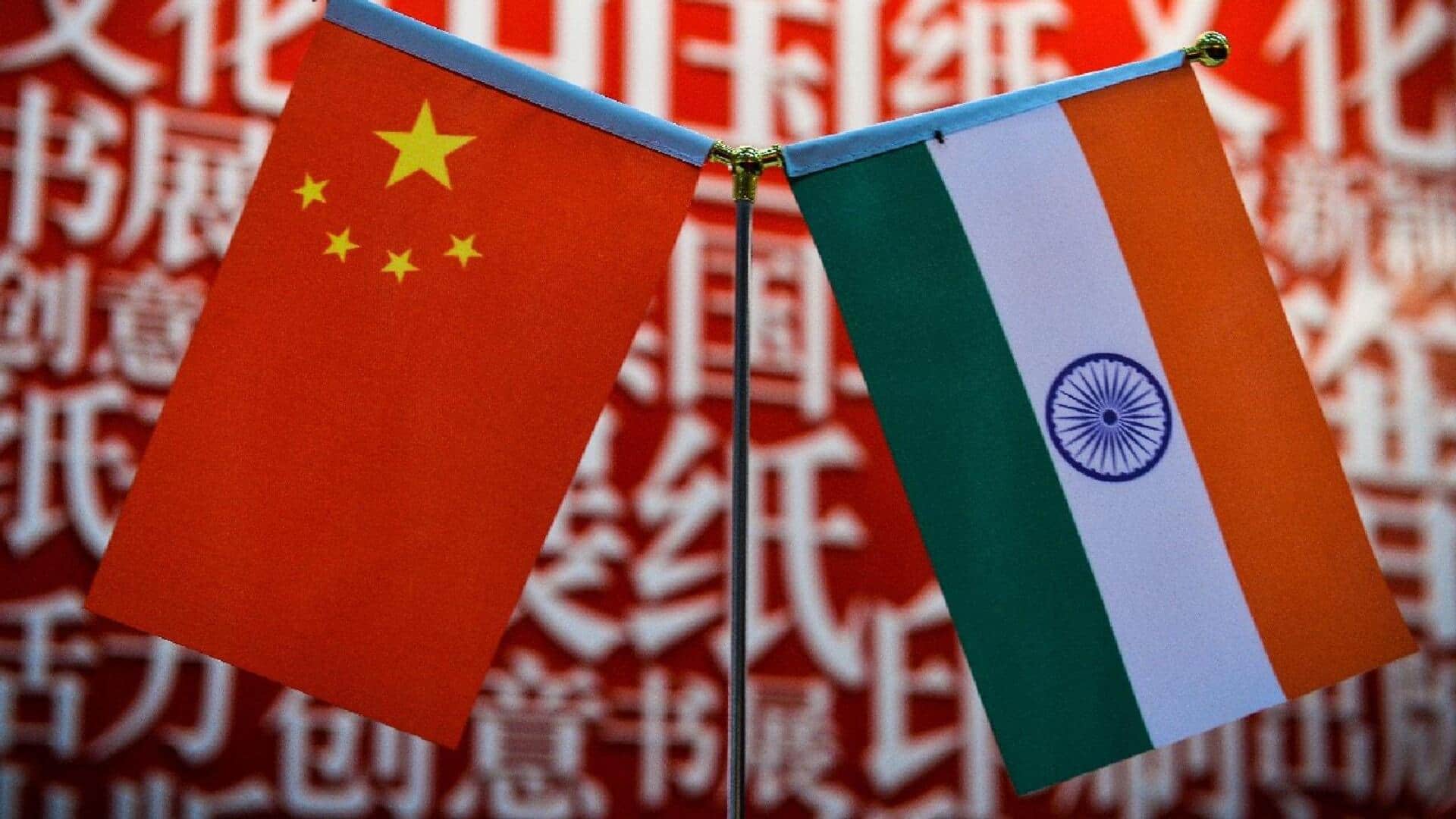
Modi government might ease restrictions on investments by China
What's the story
India is considering a major policy shift in its approach toward foreign investment and government procurement, especially from China. The focus is now on the economic impact of these investments rather than their country of origin. A senior government official told Moneycontrol that there is a "strong understanding" within the system that investments creating jobs and building domestic capacity should be welcomed, except in sensitive sectors like telecom, defense, and strategic infrastructure.
Growth focus
Policy should reflect India's growth ambitions
The senior official emphasized that "policy needs to reflect India's growth ambitions."
They added that "investment that generates meaningful employment and technology transfer should be treated on its merits, not on the investor."
Discussions have been held about Press Note 3 and government procurement norms with an aim to attract more capital into non-strategic sectors while safeguarding national interests.
Policy revision
Easing Press Note 3 and procurement rules
The official stressed the economic case for a policy rethink, saying that if Indian manufacturers are forced to import goods when they could be made here, it would mean lost job opportunities.
They also pointed out that capital can already be routed through third countries like Japan or Mauritius, making nationality-based restrictions less effective in practice.
Any easing will be selective and subject to national security considerations.
Industry perspective
Industry seeks sector-specific easing
Industry stakeholders have called for a selective and tightly regulated relaxation of post-2020, China-linked curbs. They want an easing of input constraints without compromising strategic interests.
Mukesh Kansal, Chairman of CTA Apparels, told Moneycontrol that India's dependence on China in the textile and apparel sector is primarily input-driven, not finished-goods driven.
He stressed that Chinese imports are critical in man-made fibers (MMF), specialty yarns, dyes, chemicals, accessories, trims, and textile machinery due to China's "scale, speed, cost advantages."
Import dependence
A look at engineering imports
Several segments of India's engineering industry are heavily dependent on the competitively priced Chinese imports, especially in capital goods, electrical machinery, as well as metal-based components.
Between April-October 2025-26, India's engineering imports from China rose to $24.03 billion from $21.34 billion in the same period the previous year, a growth of 12.6%.
The biggest dependence is on industrial machinery for agriculture, dairy, food processing, and textiles, which accounts for 24% of engineering imports from China.