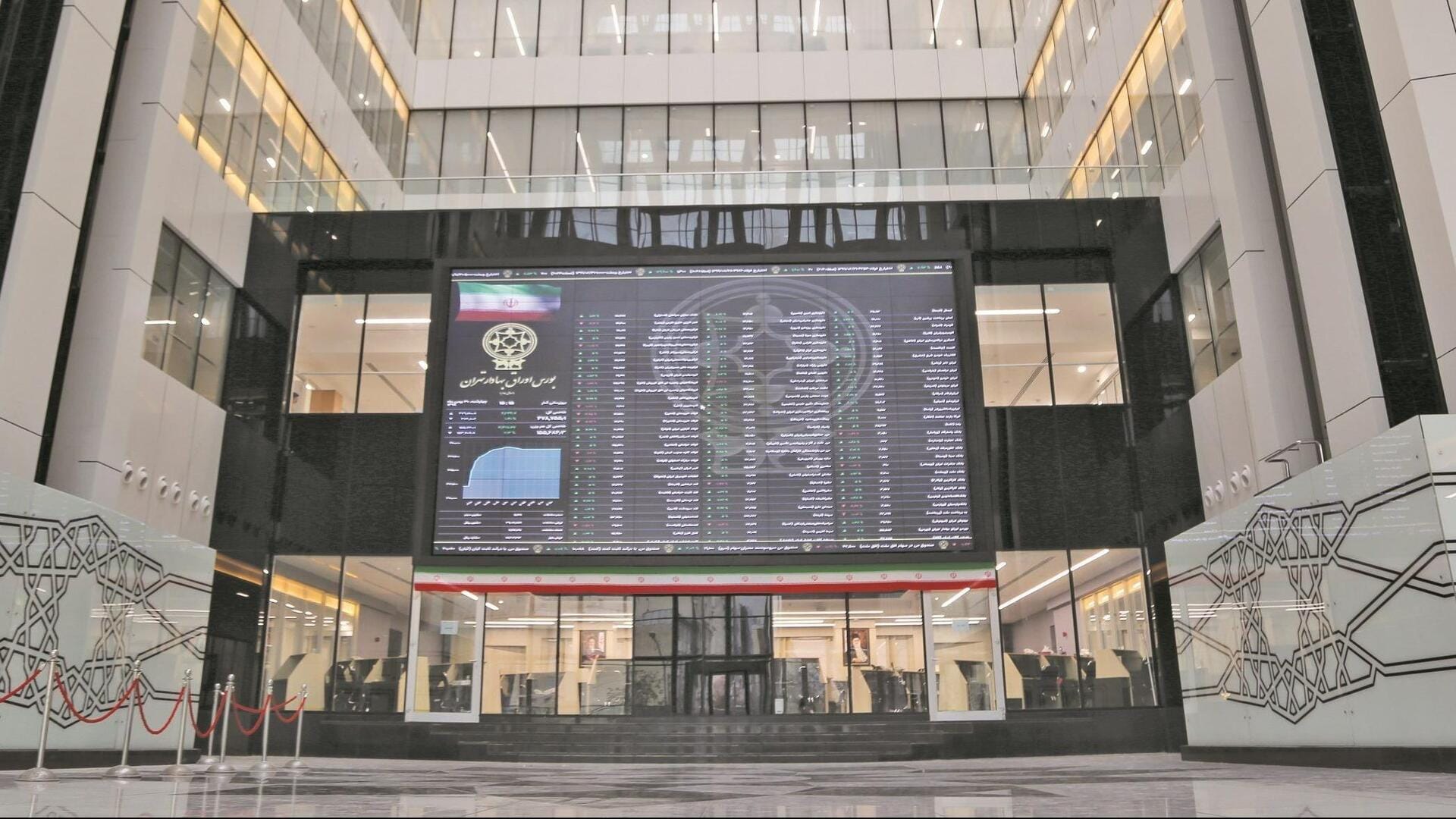
After 80 days, you can now trade in Iranian stocks
What's the story
Iran's stock market has reopened today, after an unprecedented 80-day closure due to the conflict with US and Israel. The Tehran Stock Exchange was officially suspended on February 28, following missile strikes related to the ongoing war. The authorities froze trading across the market in a bid to prevent panic selling and protect millions of retail investors amid severe geopolitical and economic uncertainty.
Trading schedule
Trading to resume gradually
The reopening of the Tehran Stock Exchange is gradual, with trading in stocks, equity funds, and equity-linked derivatives expected to resume before the weekend.
To facilitate this process, authorities have extended market trading hours by an additional hour.
This extension is especially aimed at firms that suffered operational damage during the war or held shareholder meetings while trading was suspended.
Market paralysis
Impact of the closure on Iran's economy
The 80-day closure has effectively paralyzed Iran's capital markets.
The Tehran Stock Exchange, already isolated from major global financial systems due to Western sanctions, became even more disconnected as the conflict escalated.
Investor sentiment inside Iran was also severely impacted by this crisis.
Before the war broke out, TEDPIX, the benchmark index of the Tehran Stock Exchange, had hit an all-time high of almost 4.5 million points at the start of 2026.
Closure rationale
Why was the market closed?
The Securities and Exchange Organization (SEO) of Iran said that the main reason for this unprecedented closure was to prevent emotionally panic-driven selling by investors.
SEO deputy Hamid Yari said the suspension aimed at "protecting investors' assets, preventing emotional behavior, and creating conditions for trading in the market with more accurate and transparent information."
This decision came as missile strikes had damaged industrial facilities in several cities including Tehran, Isfahan, and Qom.
Operational impacts
Shareholder meetings
The Iranian government had imposed sweeping internet and mobile network shutdowns during the conflict and nationwide protests.
With digital infrastructure severely disrupted, authorities believed that normal market trading conditions no longer existed as the investors lacked stable access to pricing information and trading systems.
Many large state-backed corporations held internal shareholder meetings privately during this suspension period, to review operational impacts before resuming public trading.