New HRA rules for salaried employees: What you need to know
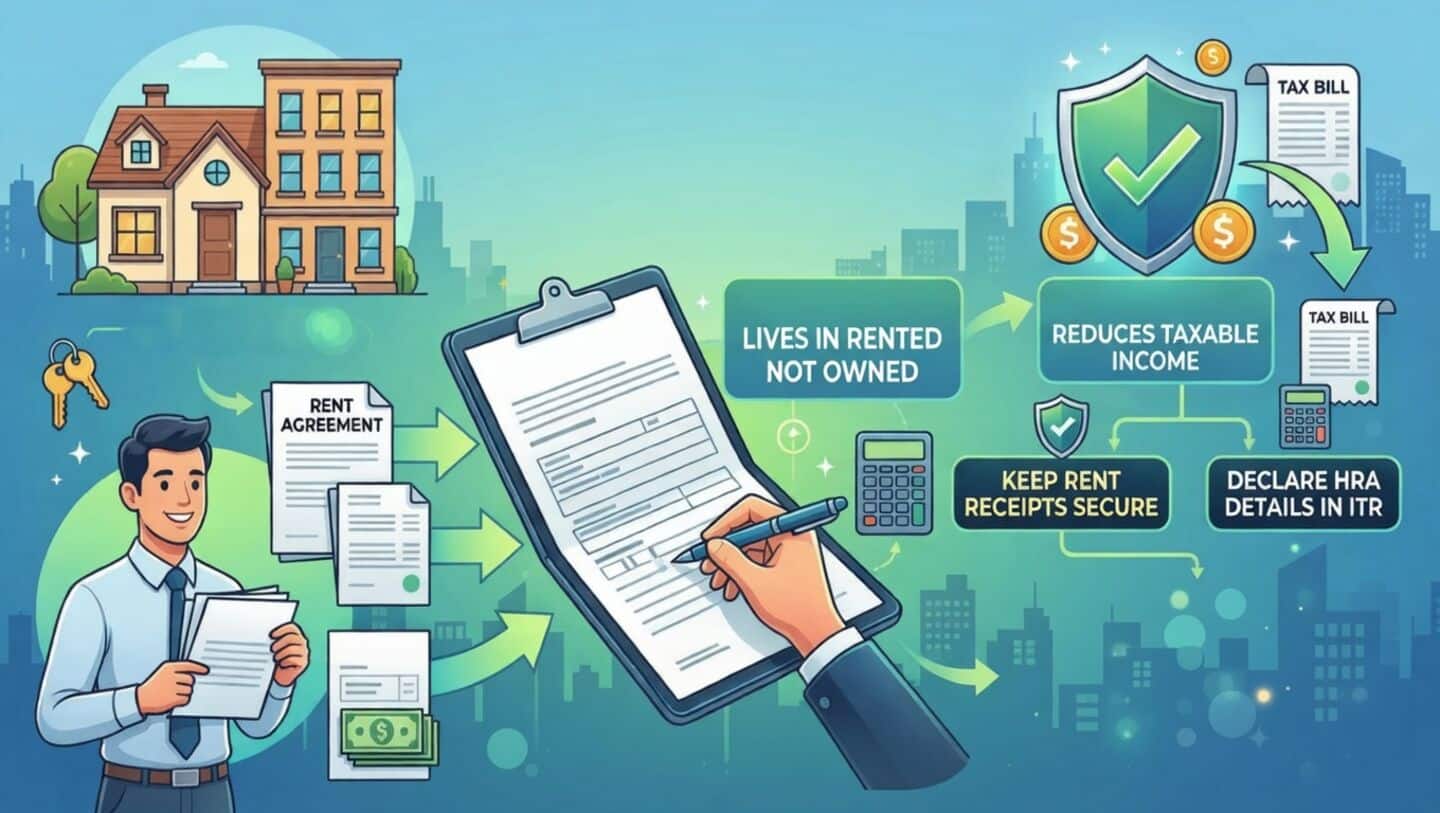
From April 1, 2026, if you're a salaried employee claiming House Rent Allowance (HRA) under the old tax regime and your annual rent tops ₹100,000, you'll need to share your landlord's name, address, PAN, and even clarify if they're related to you (like a parent or sibling).
The old Form 12BB is out. Say hello to Form 124.
Submitting landlord details
You'll have to submit these landlord details every year along with rent receipts and proofs for TDS purposes.
Even if you pay rent to family, HRA exemption is fine—as long as it's legit and your landlord declares it as income.
Tax authorities will cross-check everything using PAN data.
More cities added to the list for bigger HRA exemptions
Good news: the list of cities where you can claim a bigger (50%) HRA exemption just doubled.
Now it covers Delhi, Mumbai, Kolkata, Chennai, Bengaluru, Hyderabad, Pune, and Ahmedabad, instead of just four metros earlier.
What happens if there's a mismatch?
If what you declare doesn't match up or seems off, expect scrutiny, or worse, denial of exemption and penalties up to double the evaded tax.
Fresh declarations are needed every year.
The goal? More transparency and less tax evasion around rental claims.