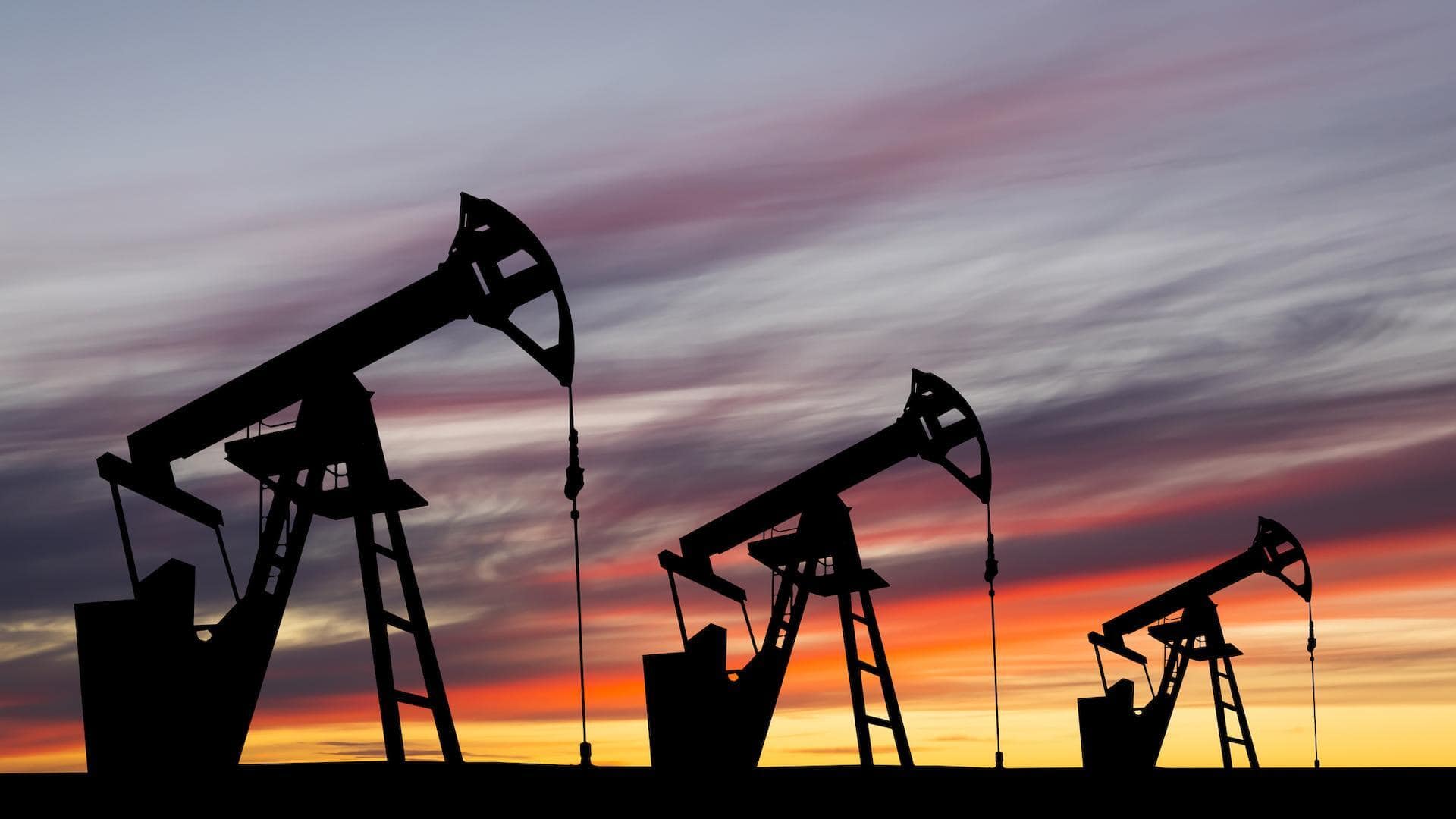
Israel-Iran war: Oil jumps past $110, highest level since 2020
What's the story
Oil prices have skyrocketed by over 30%, hitting their highest levels since 2020. The spike comes amid fears of supply shortages and shipping disruptions due to the ongoing US-Israel conflict with Iran. Brent crude futures rose as much as $18.35, or 19.8%, to $111.04 a barrel in early trading today, while US West Texas Intermediate (WTI) crude futures rose by $15.27 or 16.8% at $106.17 after earlier rising as much as $20.34, or 22.4%, to $111.24 during the session.
Production cuts
Middle Eastern oil producers cutting output
Middle Eastern oil producers are reportedly reducing their output due to full storage facilities.
This move could keep prices high and delay any potential recovery in production levels.
The ongoing conflict has also led to fears of supply shortages and shipping disruptions through critical routes like the Strait of Hormuz, further exacerbating the situation.
Worldwide effect
War could lead to prolonged higher fuel prices
The US-Israel war with Iran could lead to weeks or even months of higher fuel prices for consumers and businesses around the world.
This is due to damaged facilities, disrupted logistics, and increased risks to shipping.
Top oil exporter Saudi Arabia is ramping up shipments from the Red Sea but these volumes are still not enough to offset losses from the crisis-hit Strait of Hormuz.
Civilian impact
Bahrain accuses Iran of striking desalination plant
The war's toll on civilian targets has been significant, with Bahrain accusing Iran of striking a desalination plant crucial for drinking water supplies.
Oil depots in Tehran have also been set ablaze following Israeli strikes.
These developments highlight the far-reaching consequences of the ongoing conflict not just on oil prices but also on civilian infrastructure and safety.
Supply concerns
Countries involved in the war taking drastic actions
Iraq, Kuwait, and the UAE have all cut their oil production as storage tanks fill up amid reduced export capabilities.
Iran, Israel, and the US have also attacked oil and gas facilities since the war started.
These actions have further exacerbated supply concerns in an already volatile global market for crude oil.