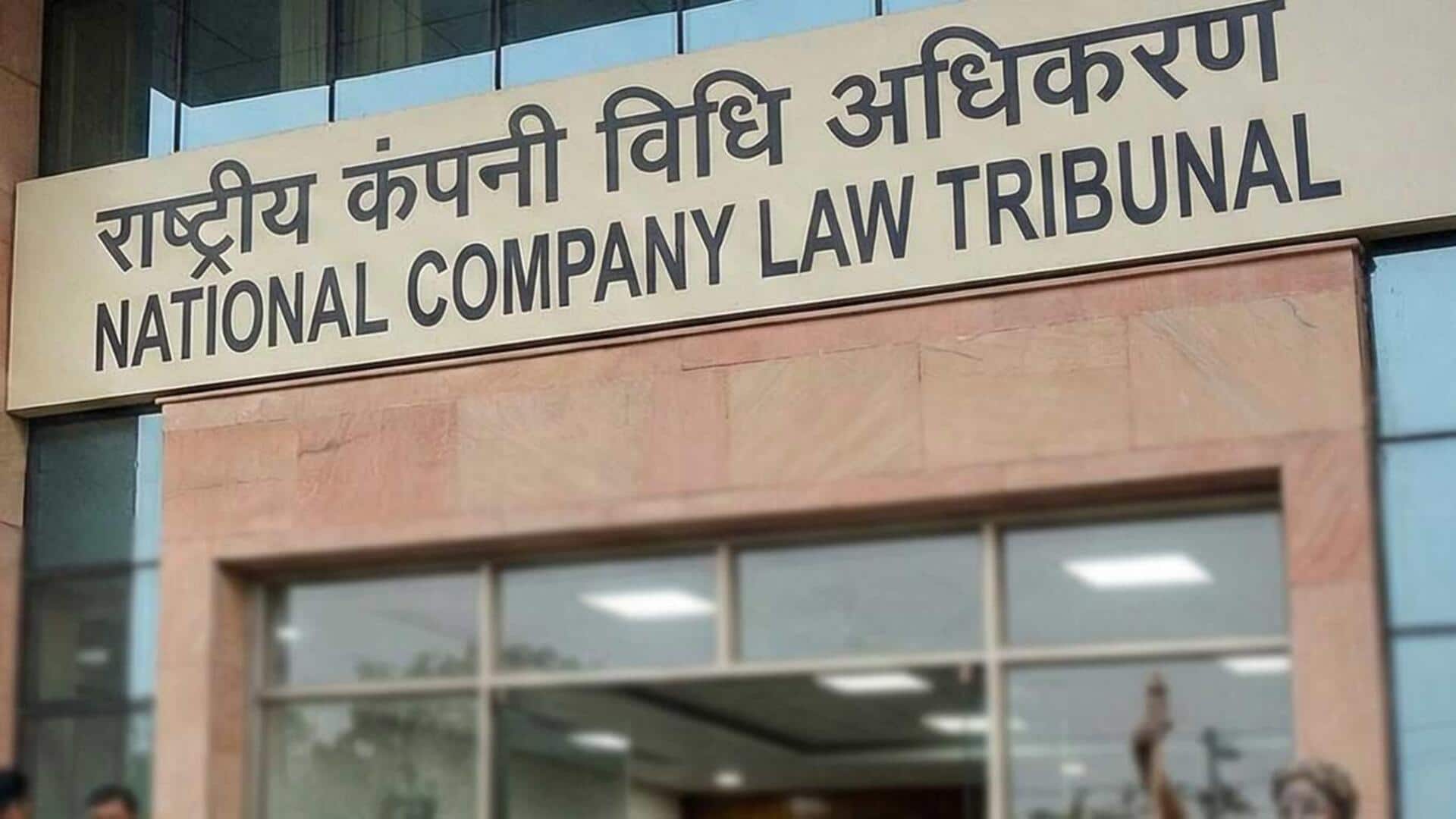
NCLT might soon have dedicated benches for insolvency cases
What's the story
A Parliamentary panel has recommended the establishment of dedicated benches or verticals for insolvency cases at the National Company Law Tribunal (NCLT). The proposal is aimed at expediting the disposal of such matters and ensuring equal attention to all cases under companies law. Currently, NCLT has multiple benches across various cities including Allahabad, Ahmedabad, Bengaluru, Chandigarh, Chennai, Cuttack, Hyderabad, Indore, Kolkata, Kochi, and Mumbai.
Report details
Expanding insolvency jurisdiction shouldn't compromise other responsibilities
The recommendation was made in a report by the Department-Related Parliamentary Standing Committee on Personnel, Public Grievances, Law and Justice.
The panel stressed that the expanding insolvency jurisdiction of NCLT shouldn't compromise its equally important responsibilities under the Companies Act, 2013.
These include matters related to mergers and amalgamations as well as corporate governance and protection of stakeholder interests.
Caseload statistics
Feasibility of dedicated IBC benches to be explored
The committee noted that insolvency matters require specialized and time-bound adjudication, now accounting for more than half of NCLT's total caseload.
It recommended that the corporate affairs ministry explore the feasibility of establishing dedicated IBC benches/verticals within the tribunal.
These would be adequately supported by judicial and technical members, as well as registry support and infrastructure to facilitate expeditious disposal while ensuring equal attention to company law jurisdiction.
Jurisdiction growth
Inadequate judicial strength to address growing caseload
The report revealed that despite its sanctioned strength of 62 members remaining unchanged since inception, NCLT's jurisdiction has expanded significantly after the Insolvency and Bankruptcy Code was enacted in 2016.
The tribunal said the existing judicial strength is no longer commensurate with the volume and complexity of matters being adjudicated.
It further informed that insolvency matters now constitute a major portion of its caseload, putting immense pressure on its judicial and administrative capacity.
Staffing concerns
Need for permanent posts to address staffing challenges
The panel also recommended reassessing NCLT's staffing requirements and creating adequate permanent posts to reduce reliance on contractual and deputation-based personnel.
It noted that over 95% of the tribunal's workforce is currently working on a contractual basis.
This, along with frequent transfers of deputationists and high attrition rates among contractual personnel, adversely affects continuity in administration, resulting in loss of institutional memory and impeding development of domain expertise.