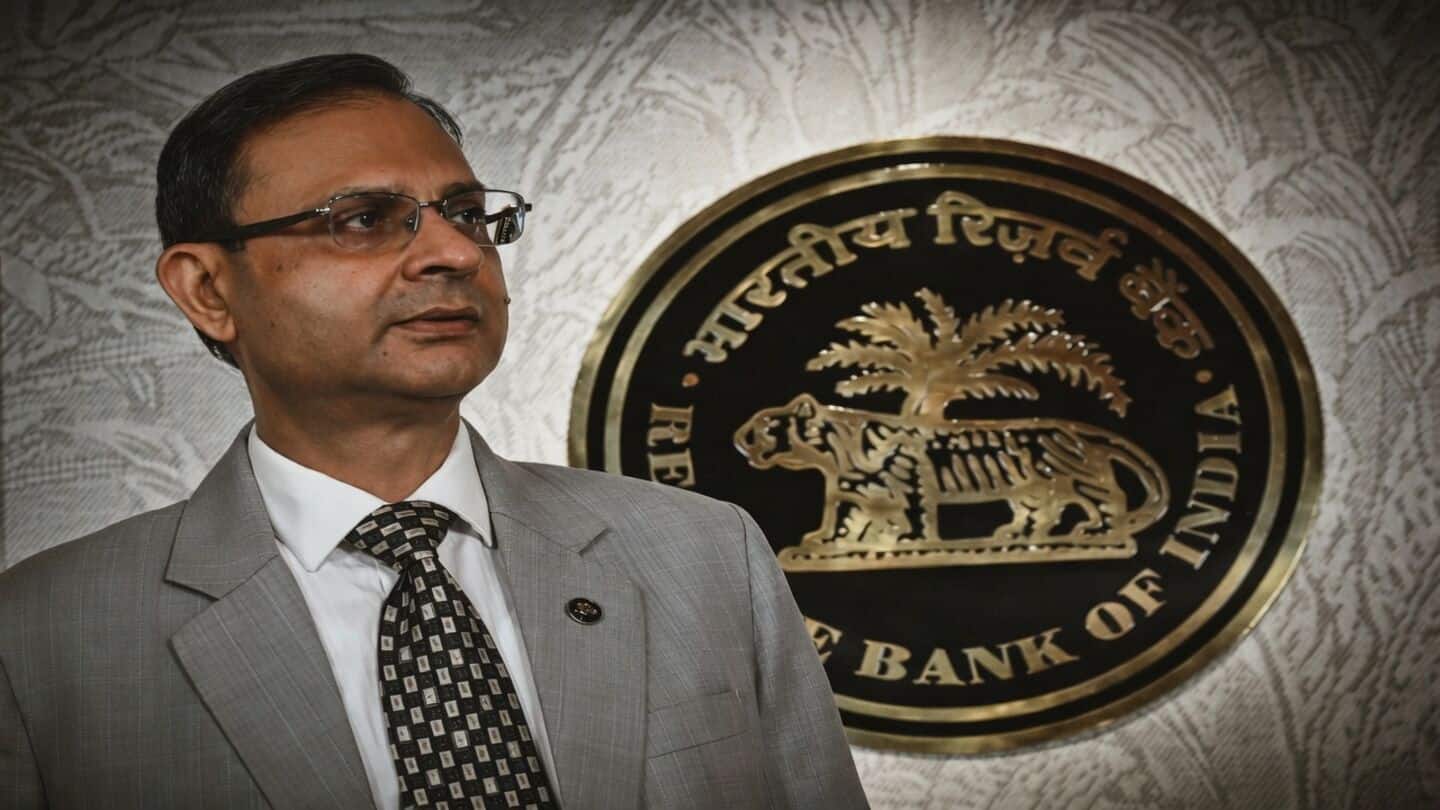
RBI hikes repo rate to 5.5%, first increase since 2023
What's the story
The Reserve Bank of India (RBI) has hiked its key repo rate by 25 basis points to 5.50%. This is the first rate hike since February 2023 and comes as part of the central bank's efforts to tackle renewed inflationary pressures. The decision marks a major shift in monetary policy after a long phase of easing and maintaining rates.
Rate adjustment
Rate hike was widely anticipated
The RBI had cut the repo rate by a total of 125 basis points in 2025 before keeping it unchanged at 5.25% in its recent policy meetings.
The latest rate hike was widely expected by financial markets, with a Reuters poll showing most economists anticipating a 25-basis-point increase.
Interest-rate markets had already factored in much of this move.
Economic balance
Inflation exceeds RBI's target for 3rd consecutive month
India's consumer inflation hit 4.82% in August, exceeding RBI's 4% target for the third month in a row.
Meanwhile, the domestic economy has remained resilient, giving the central bank more leeway to focus on price stability without having to react to an outright growth shock.
The next challenge for RBI is preventing a temporary inflation spike from becoming entrenched in expectations.
Policy strategy
Future rate path and liquidity management crucial
The future rate path will be closely watched by markets, with some economists already suggesting that the repo rate could go up further, possibly to 5.75-6% if inflation stays high.
Liquidity management will also play a key role in policy implementation as the banking system continues to hold excess liquidity.
The RBI has been using tools like variable-rate reverse repos, bond operations, and forex swaps to manage financial conditions.
Financial impact
Borrowing costs set to rise
The immediate effect of the rate hike is clear: borrowing costs are set to rise.
Banks and lenders could eventually pass on the increase to lending rates, making home loans, corporate credit, and other floating-rate loans more expensive.
However, for savers, higher rates could slowly lead to better returns on deposits and other fixed-income instruments.